Skip to content
First Time Thailand
Home / Within Thailand / Bangkok
Bangkok & Central

Bangkok

Thailand’s electric capital, where every first trip begins. Gilded temples, street-food alleys, rooftop bars, and malls the size of towns: worth stopping for, not just passing through.
Stay3 to 4 nightsSeasonNov to Feb (cool, dry)
Getting thereTwo airports; the hub for all trains and buses
Best forStreet food, Temples, Nightlife
AvoidApril tops 40°C (104°F), Songkran shuts much of the city April 13–15, and the rainy season peaks September through October
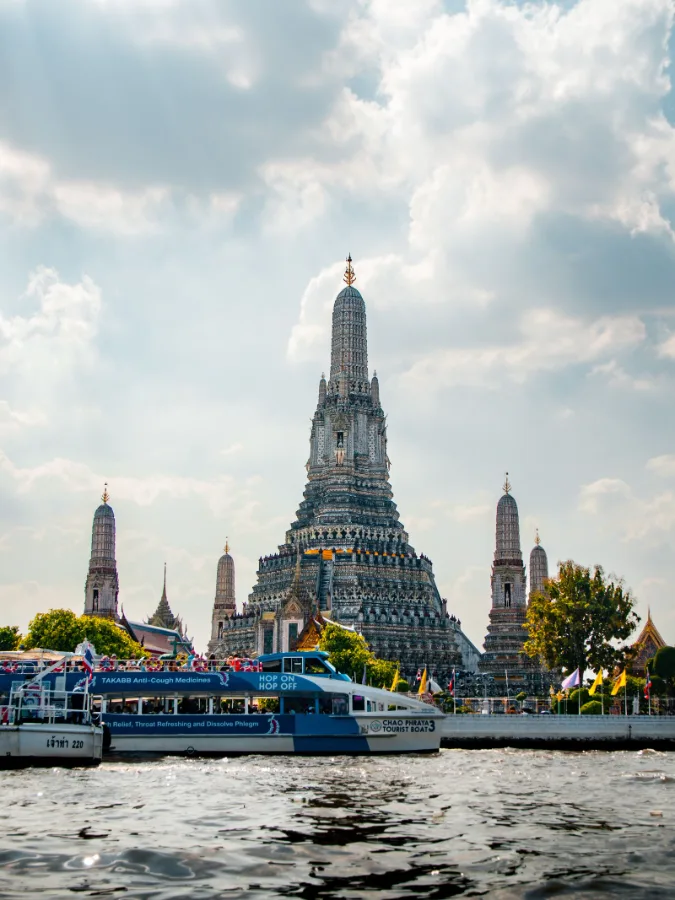
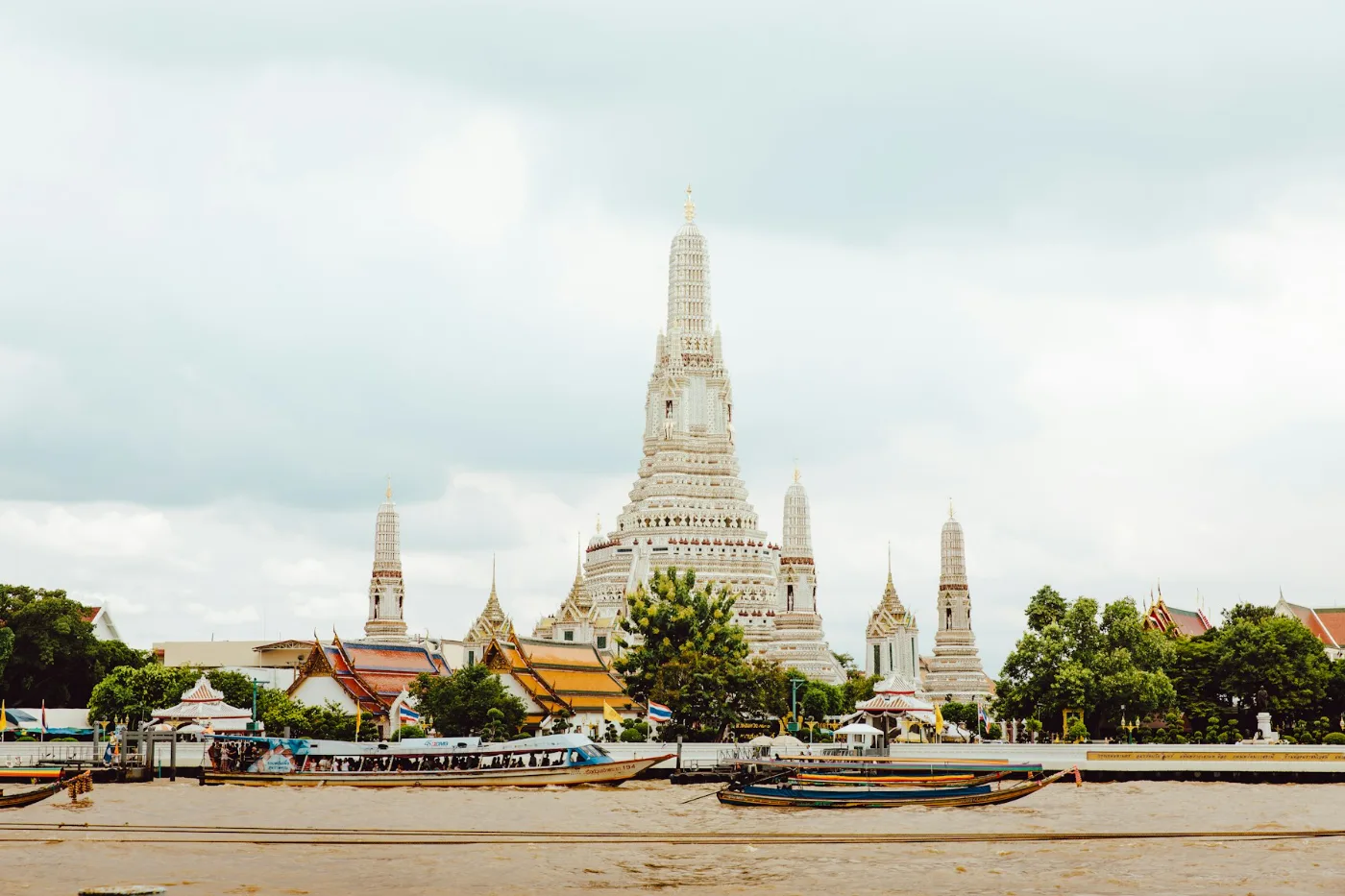
Wat Arun temple on the Chao Phraya River, Bangkok
Wat Arun temple on the Chao Phraya River, Bangkok Unsplash
Belle
Thai American who travels to Thailand every other year
Where Bangkok shines
Wat Arun temple with tourist boats on the Chao Phraya River, Bangkok
Photo: Zaonar Saizainalin / Pexels Old Town
City of temples

At a glance

Grand Palace, Wat Pho & Wat Arun

The Emerald Buddha, the giant reclining Buddha, and Wat Arun’s spires sit a short river hop apart.

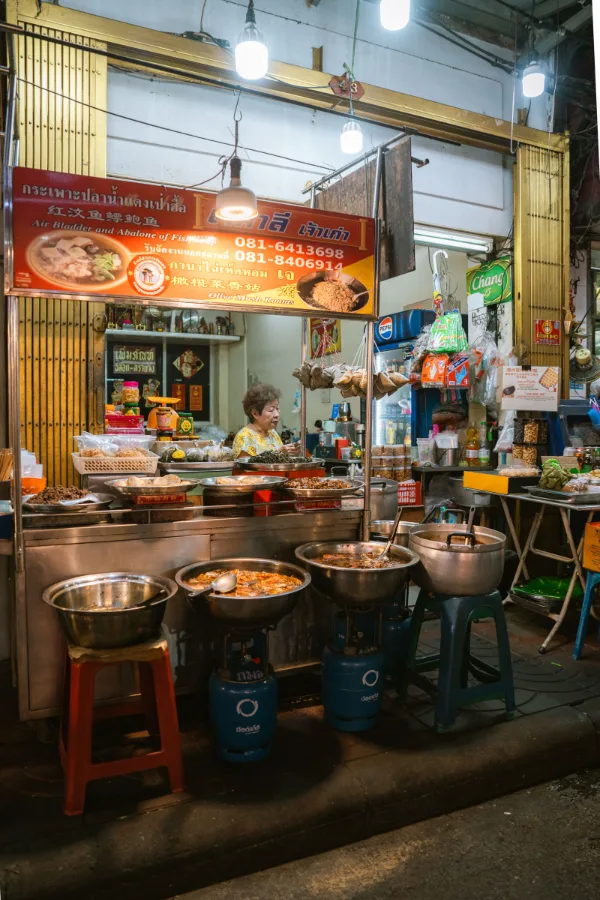
Nighttime street food stall in a Bangkok market
Photo: Noland Live / Pexels Everywhere
The food capital

Street stalls to Michelin stars

From 40-baht boat noodles to three-star tables, no city eats better on any budget.

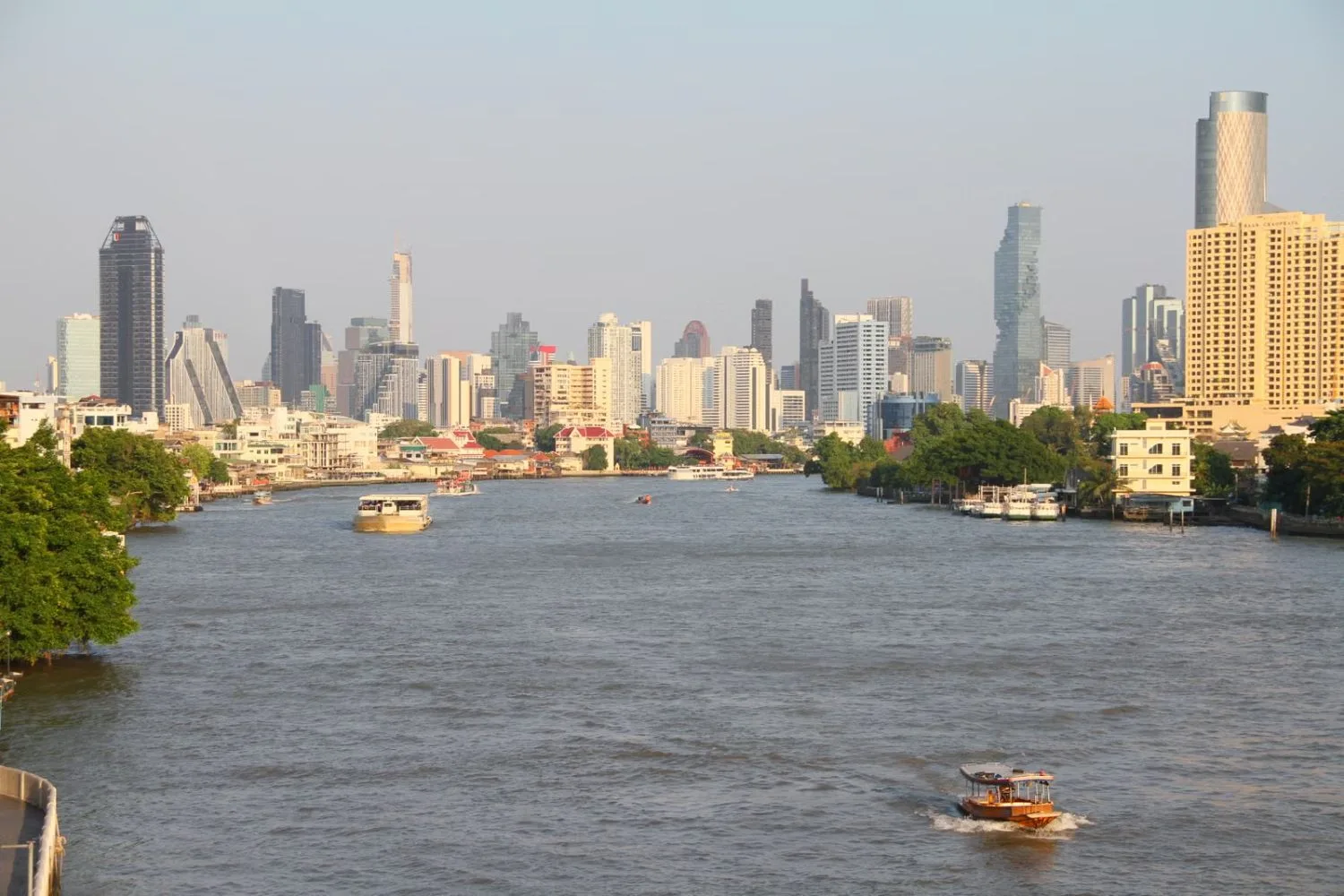
Bangkok skyline along the Chao Phraya River at duskPhoto: Pexels
Skyline
After dark

Rooftop bars & night markets

Sunset from a 60th-floor bar, then cocktails in a hidden den or a sprawling night market.

Before any temple

Shoulders and knees covered, for everyone. No tank tops, no shorts, nothing see-through. The Grand Palace is the strictest and turns people away at the gate every day, so wear lightweight long pants and carry a scarf rather than wait in line for a loaner.
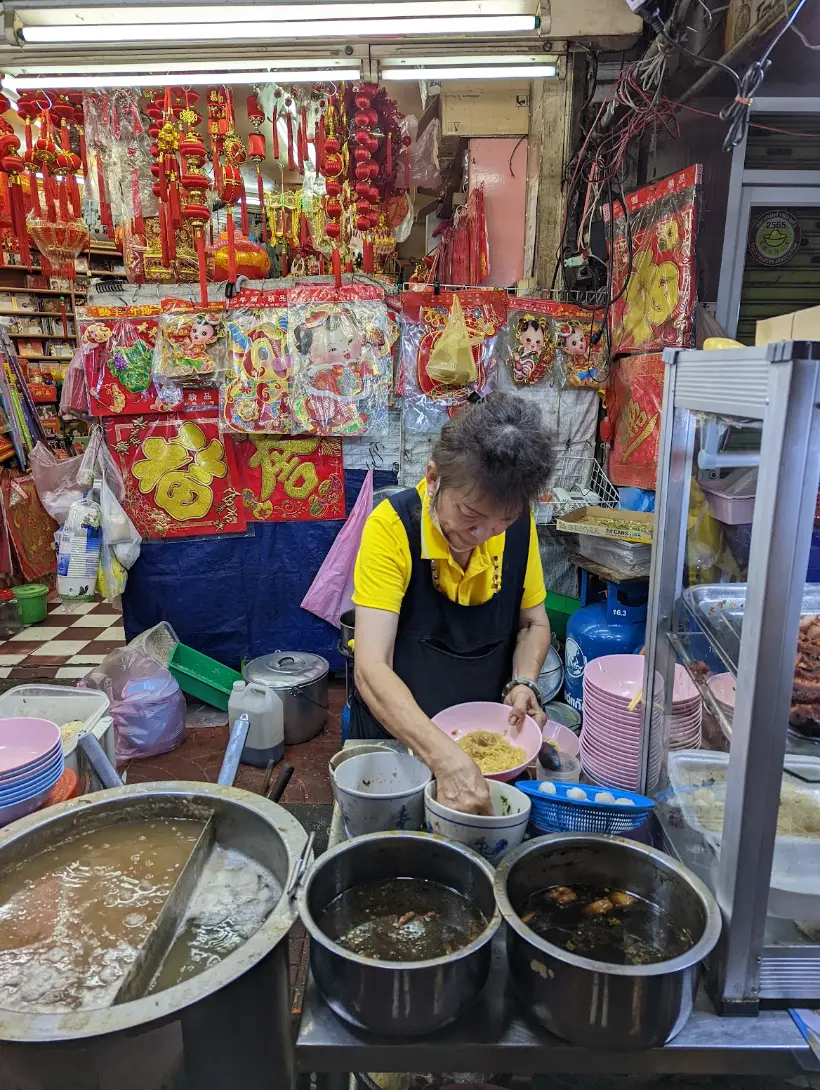
A cook lifting egg noodles into a bowl at a Chinatown street stall, red Lunar New Year decorations hanging above the counter
A noodle stall on Yaowarat, Chinatown
What to eat

The reason to skip the hotel breakfast

Bangkok is a city where the best cooking happens on a sidewalk, in one pan, by someone who has made the same dish for thirty years. A stall with a line and a single item on the menu is almost always the right call.

Start in Chinatown after dark, then work through boat noodles, moo daeng, khao man gai, and whatever the neighborhood cart is selling at breakfast.

What to eat in Bangkok →
Small wonders & curiosities

What makes Bangkok, Bangkok

The odd, charming, and slightly offbeat corners of Bangkok that rarely make the highlight reels.

{{ q.num }}
{{ q.tag }}

{{ q.name }}

{{ q.body }}

{{ q.metaLabel }} {{ q.meta }}
Always something new

Pop-ups & collaborations

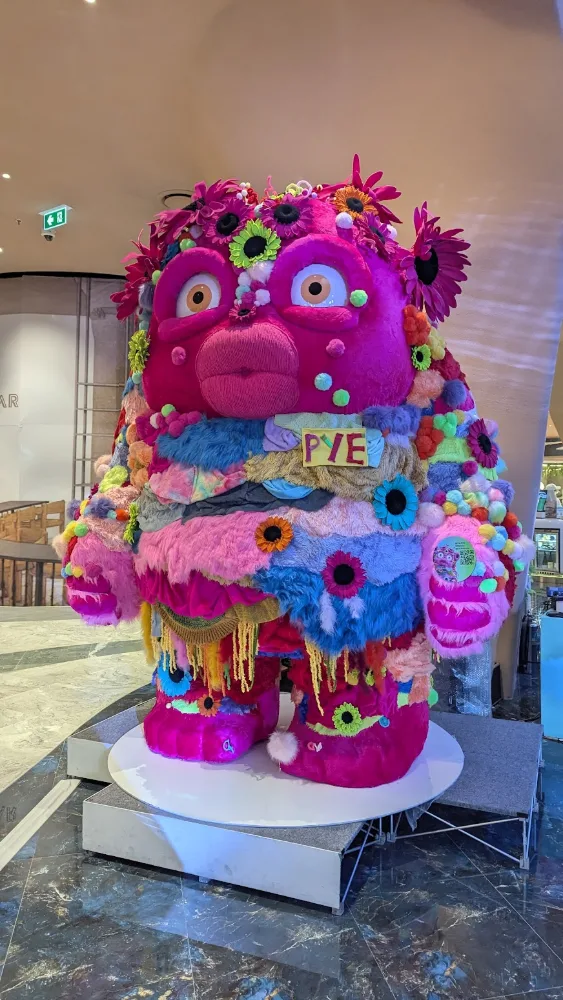
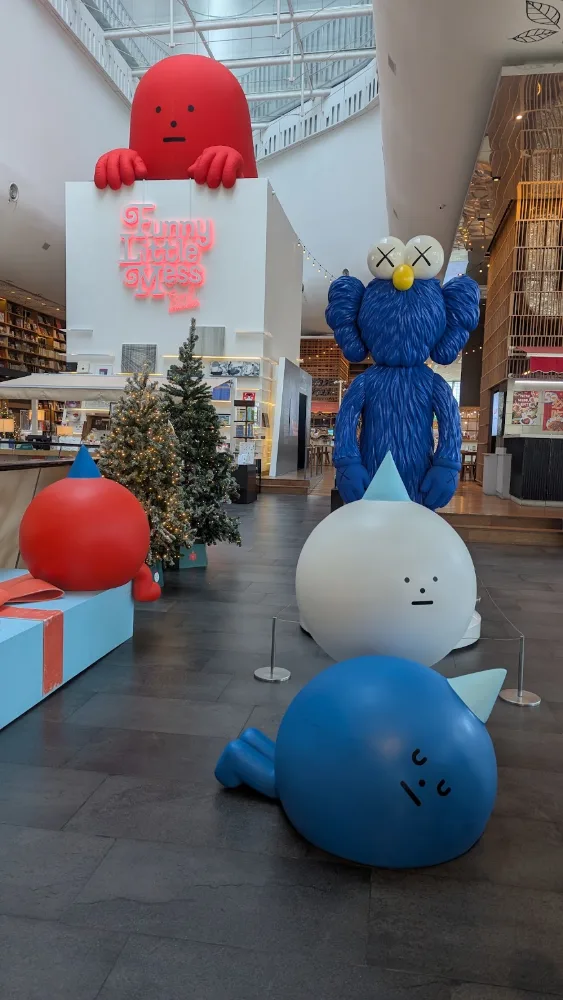
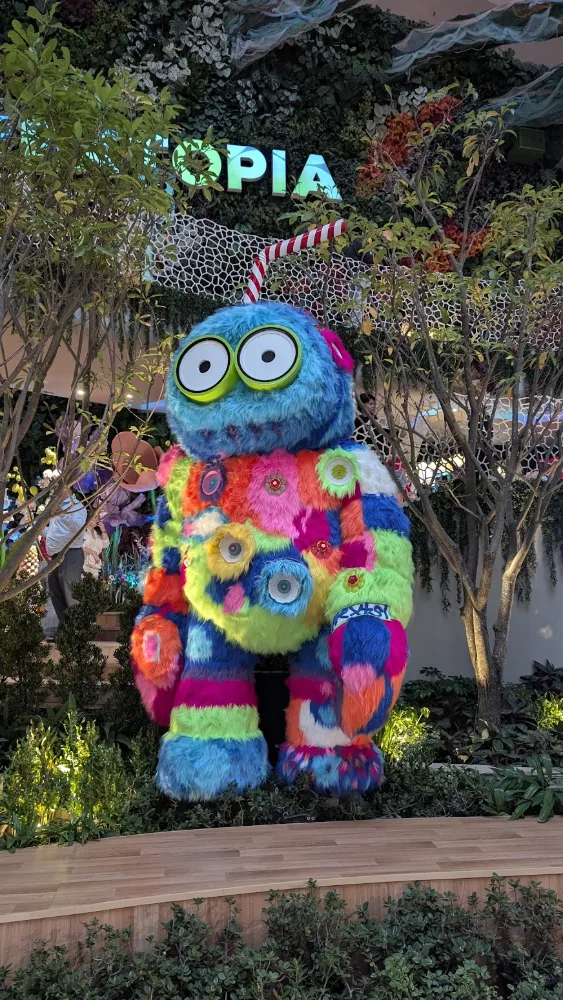
Bangkok’s big malls are half shopping center, half rotating art show. Between ICONSIAM, Siam Paragon, CentralWorld, and EmSphere there is almost always a pop-up on: giant art-toy installations, artist and designer collabs, anime tie-ins, seasonal light displays, and limited cafes that appear for a few weeks and vanish.

You rarely need to plan for these. Just look up as you pass through an atrium, and check the malls’ Instagram or event boards for what is running while you are in town.

A colorful furry art-toy monster sculpture in a mall garden installation, Bangkok
A giant pink furry PYE art-toy sculpture on display in a Bangkok mall
Playful cartoon-character art toys in a Funny Little Mess pop-up installation at a Bangkok mall
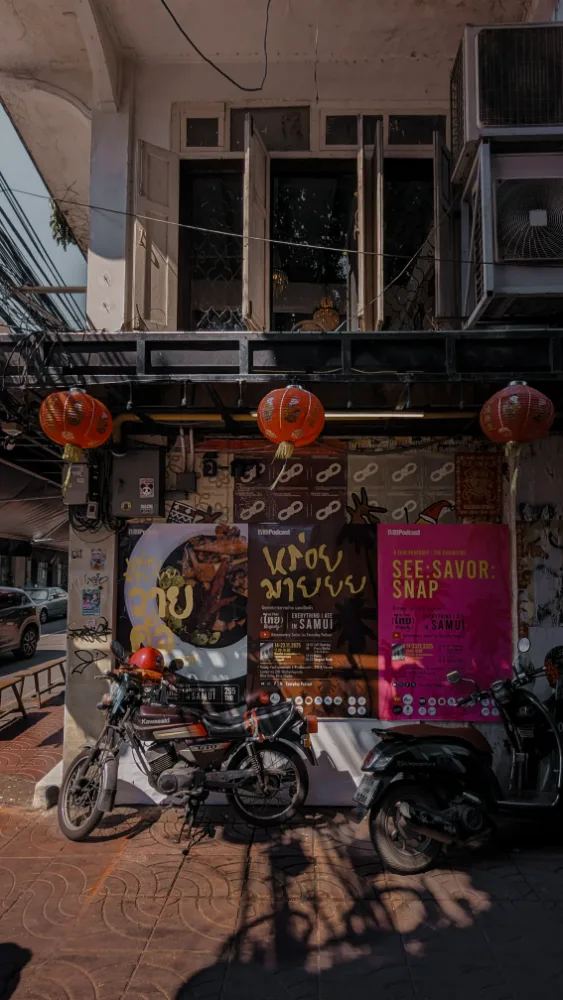
An old Chinatown shophouse wall pasted with EIRD Podcast exhibition pop-up posters and hung with red lanterns
Seen in Bangkok

Bangkok, in Frames

These are my personal explorations. This is the Bangkok I keep coming back to. Scroll across.
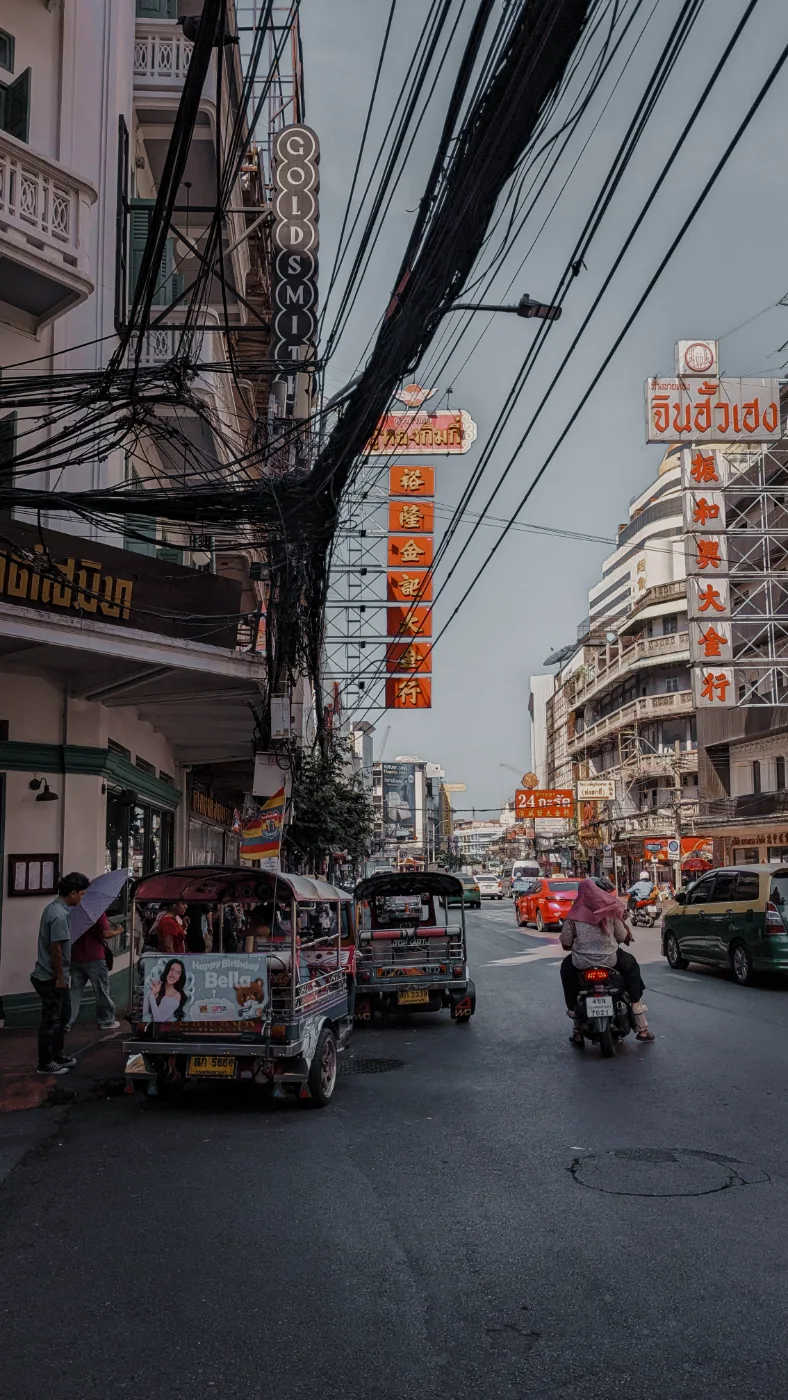
Vertical neon gold-shop signs in Chinese and Thai script over tuk-tuks on Yaowarat Road, Bangkok’s Chinatown
Yaowarat The gold-shop canyon, Chinatown’s main artery.
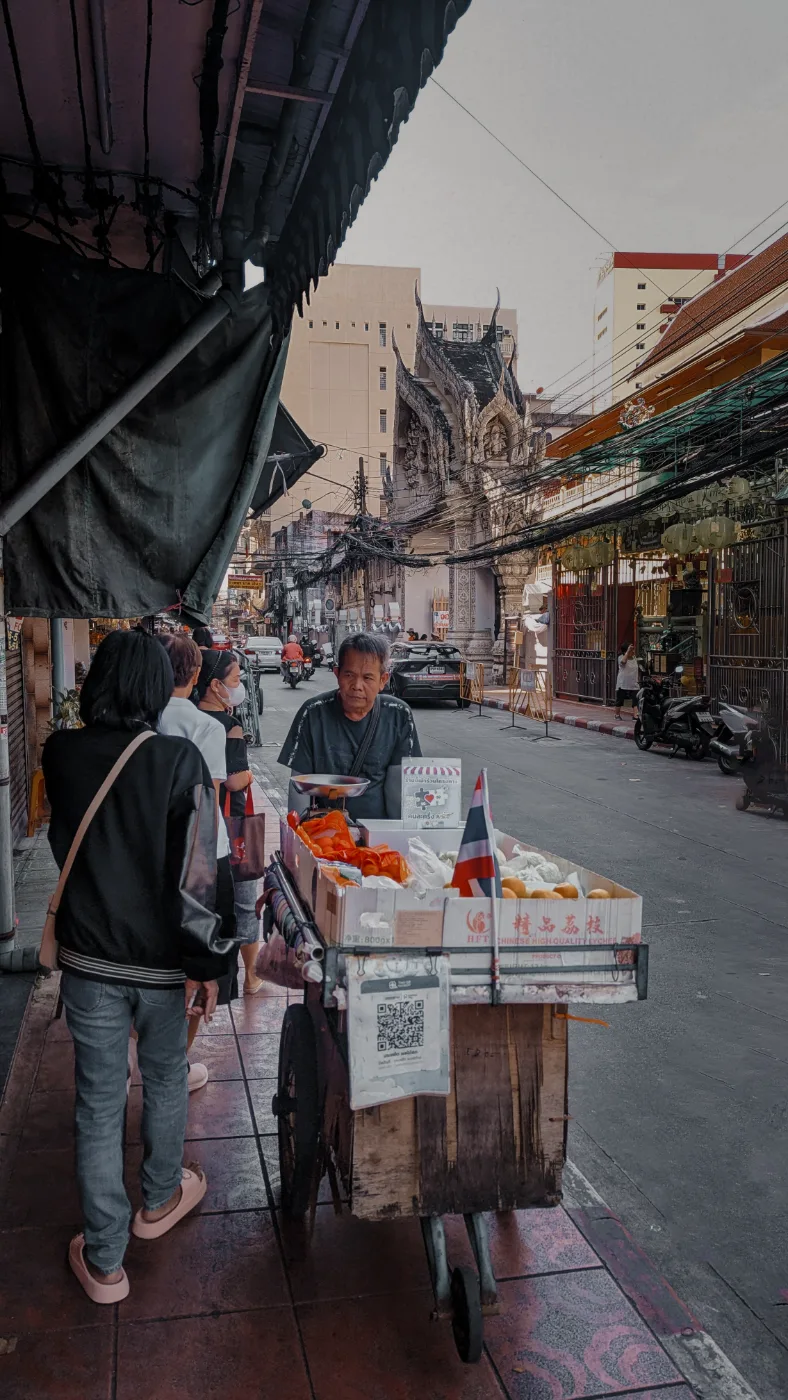
A fruit-cart vendor with a Thai flag on his cart, an ornate temple gable rising behind him on a Chinatown lane
Chinatown A fruit cart parked in a temple’s shadow.
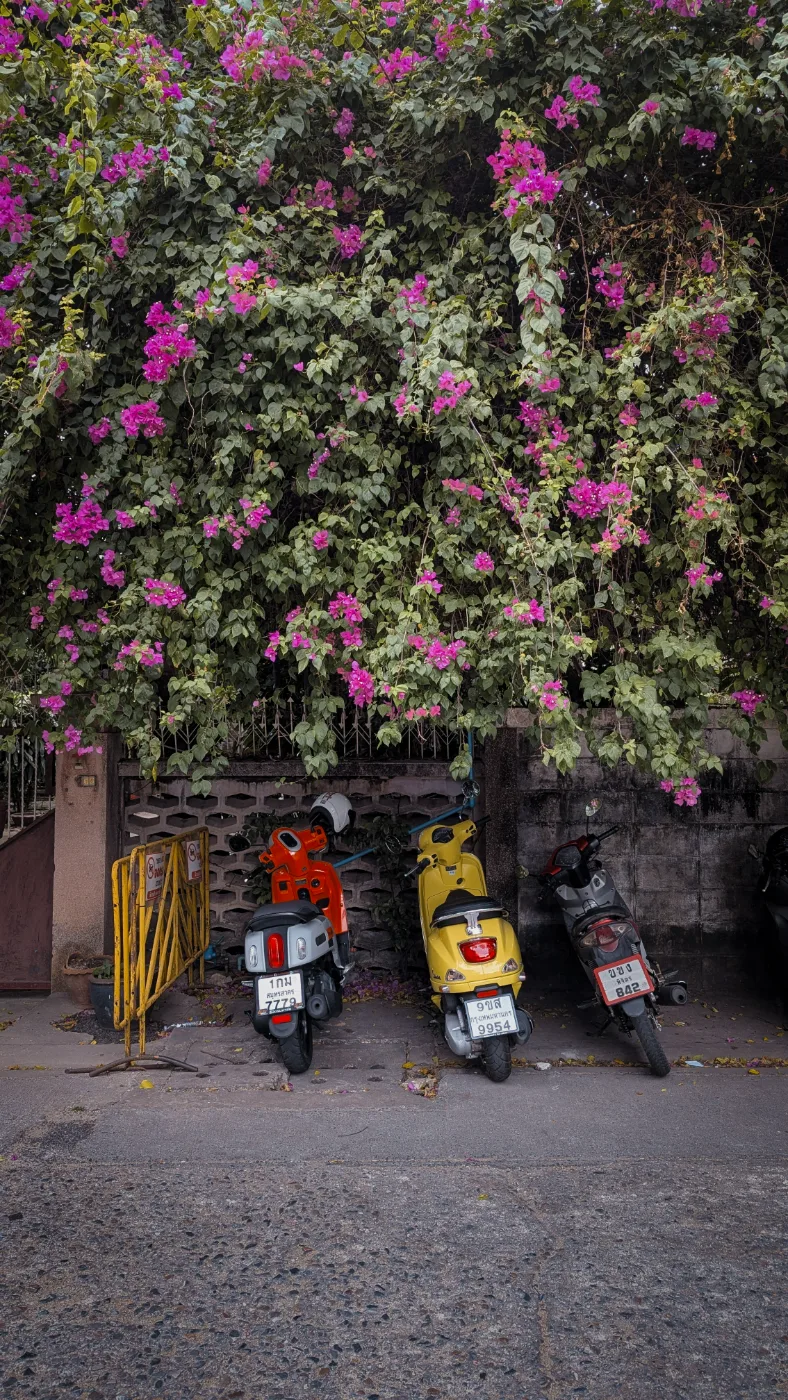
A wall of pink bougainvillea spilling over three parked scooters in orange, yellow, and red
A back soi Bougainvillea doing what it does everywhere here.
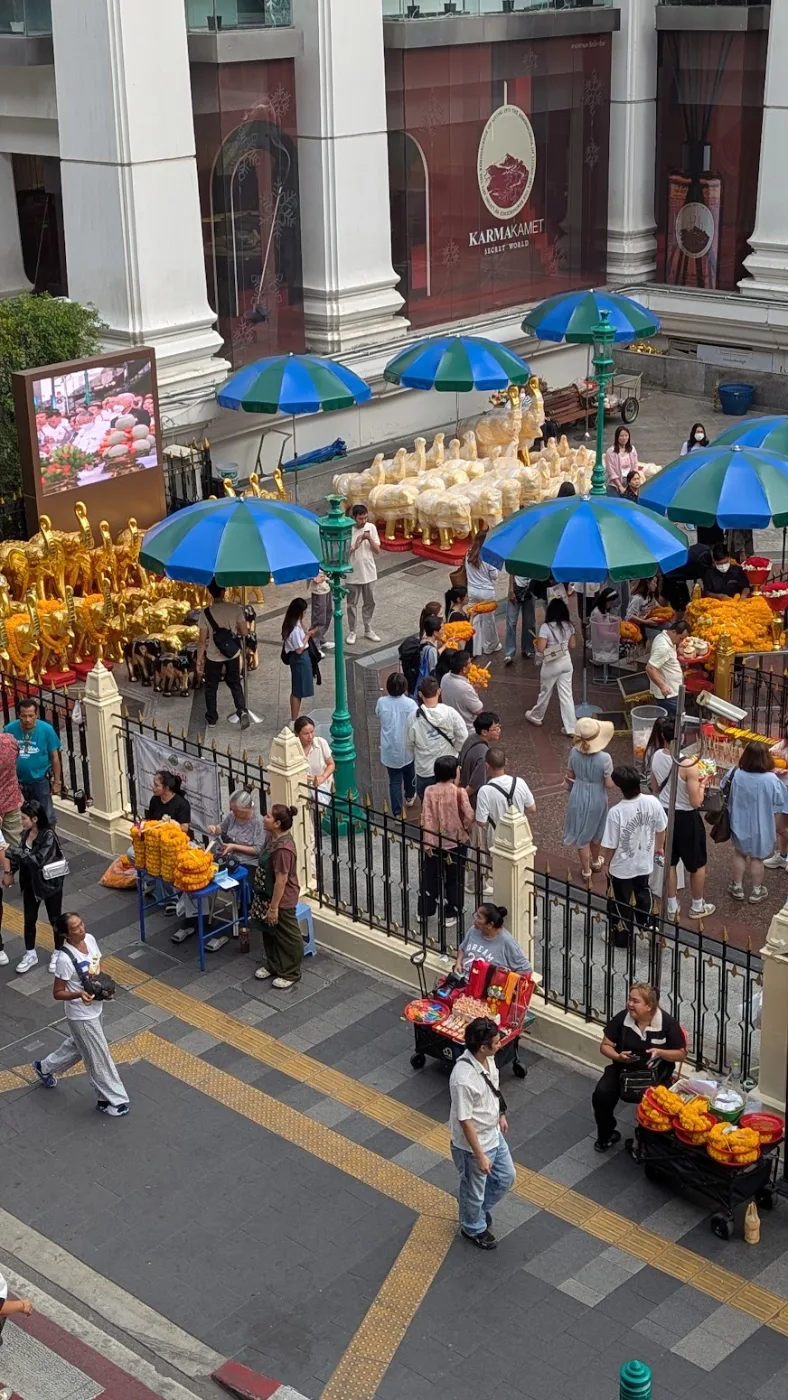
Gilded elephant votive figures, blue umbrellas, and marigold-garland vendors at the Erawan Shrine, Ratchaprasong
Ratchaprasong Offerings pile up at the Erawan Shrine.
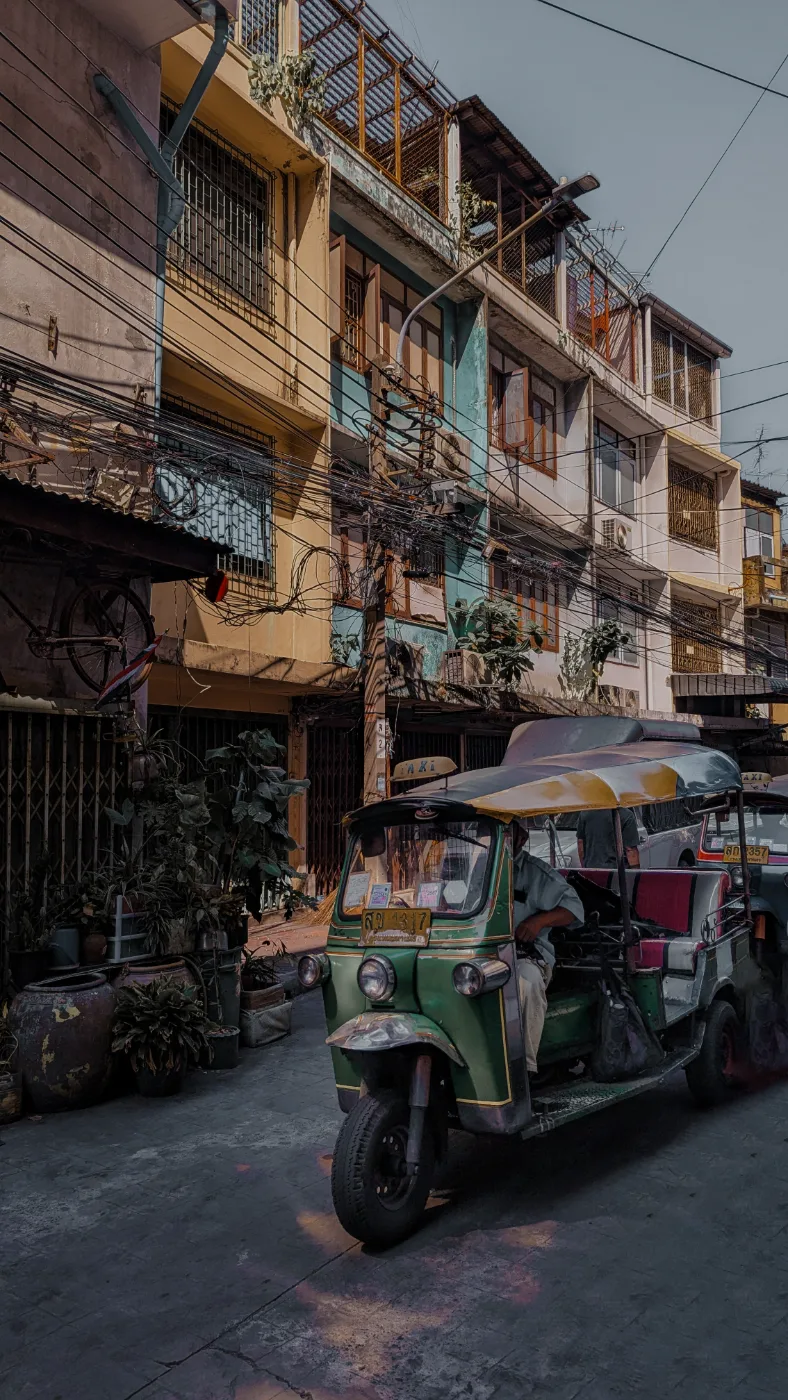
A vintage green-and-yellow tuk-tuk parked in a narrow Chinatown alley lined with potted plants and old shophouses
Chinatown A tuk-tuk resting between fares.
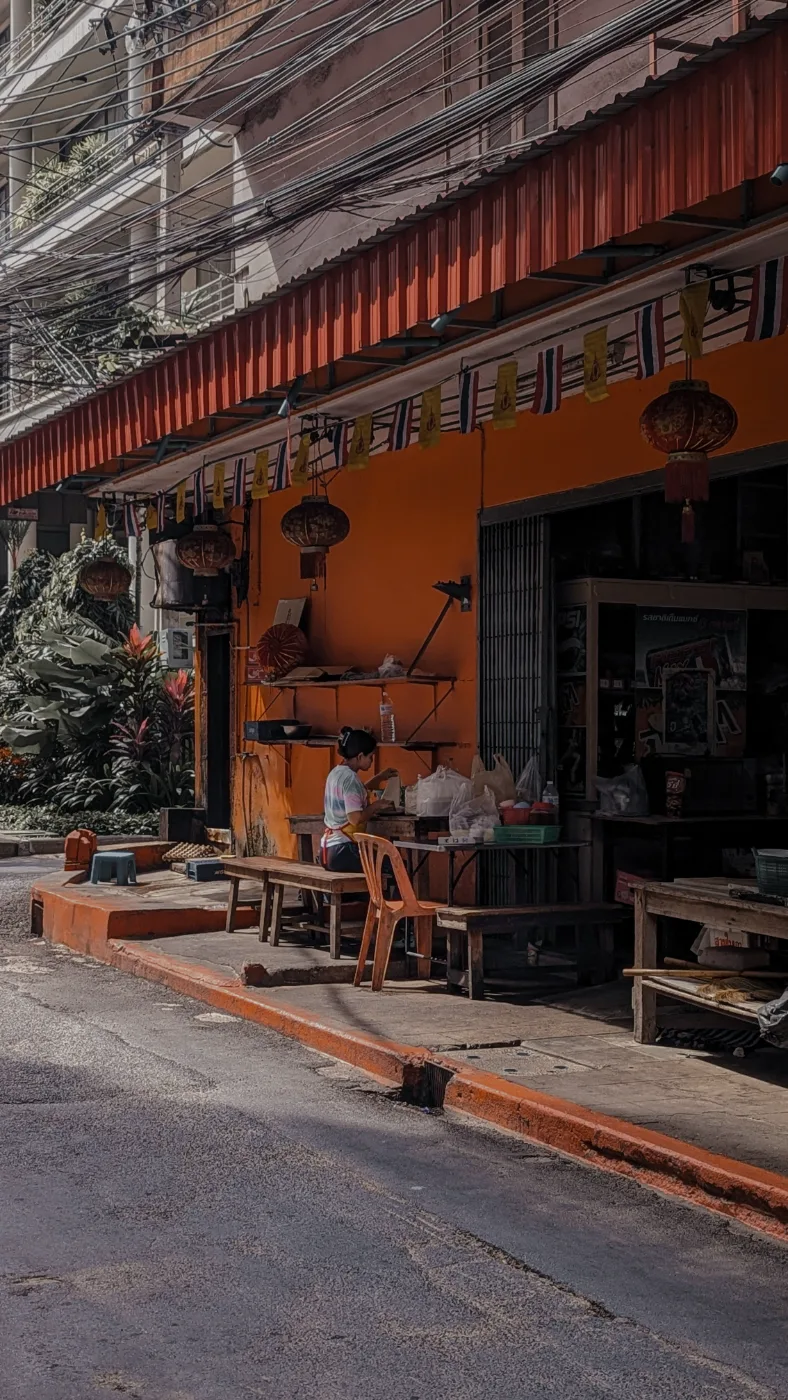
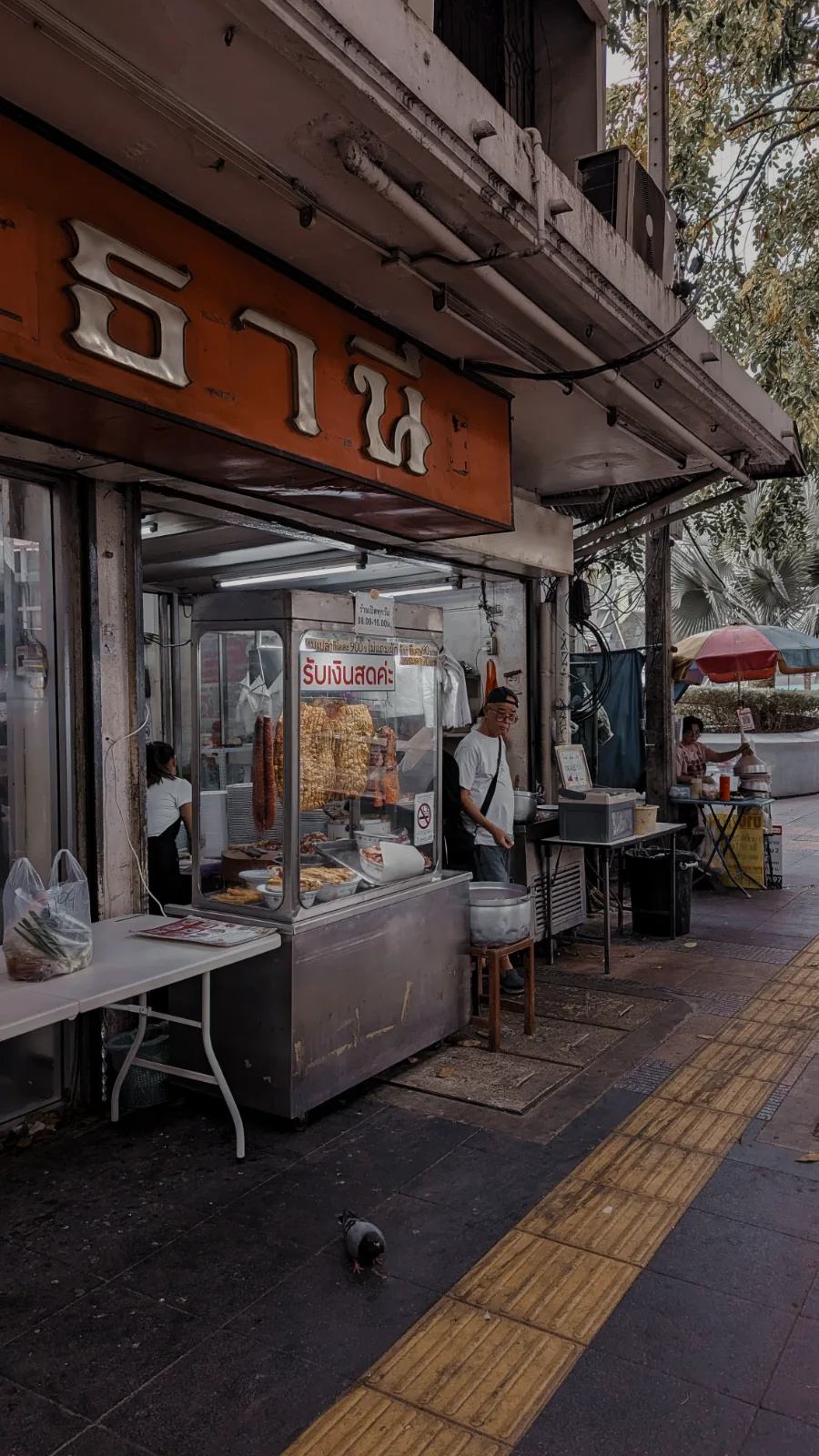
An orange-walled open-front shop under a red corrugated awning on an Asok side street, hung with Thai flags and Chinese lanterns, a woman prepping food at a table out front
Asok, off the main road
Green shutters and tangled wires on the Chinatown walking route.
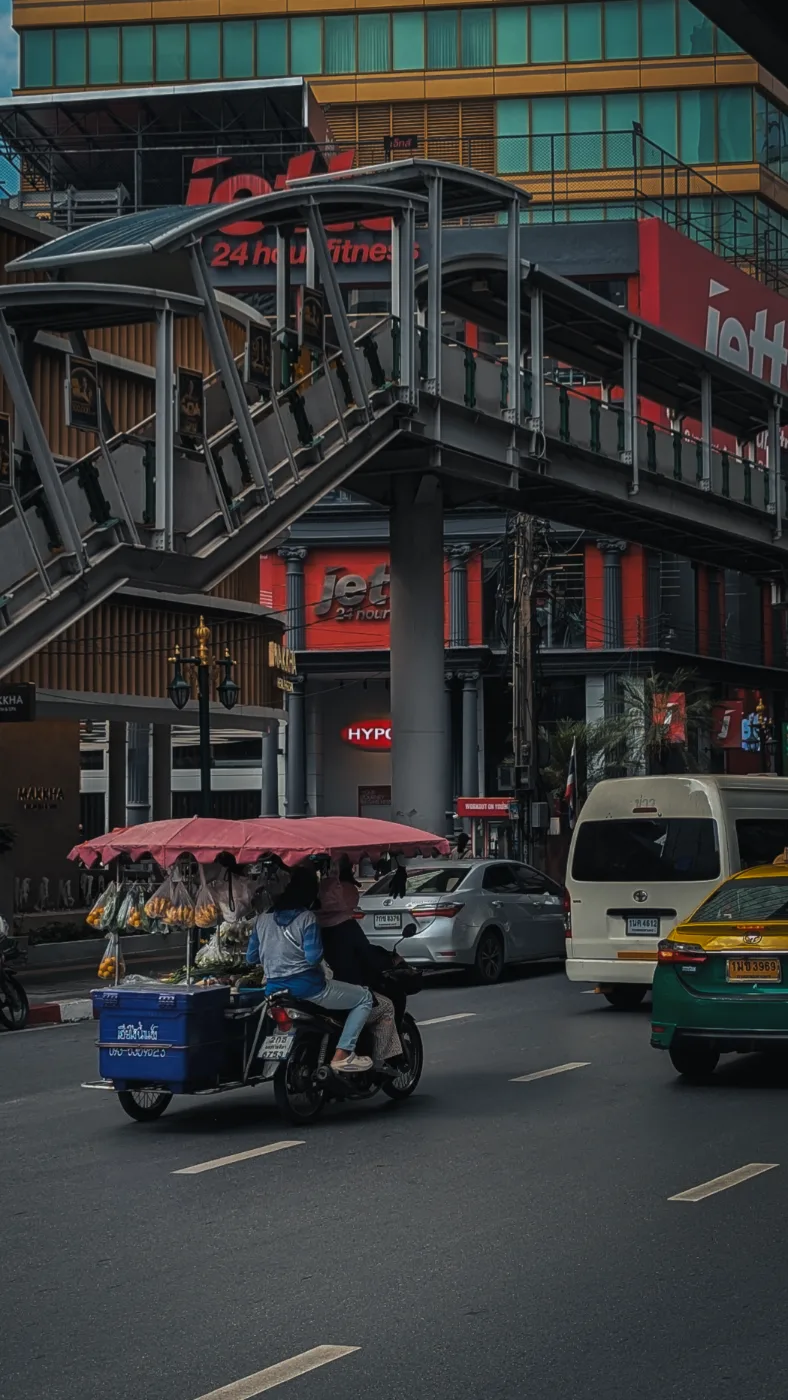
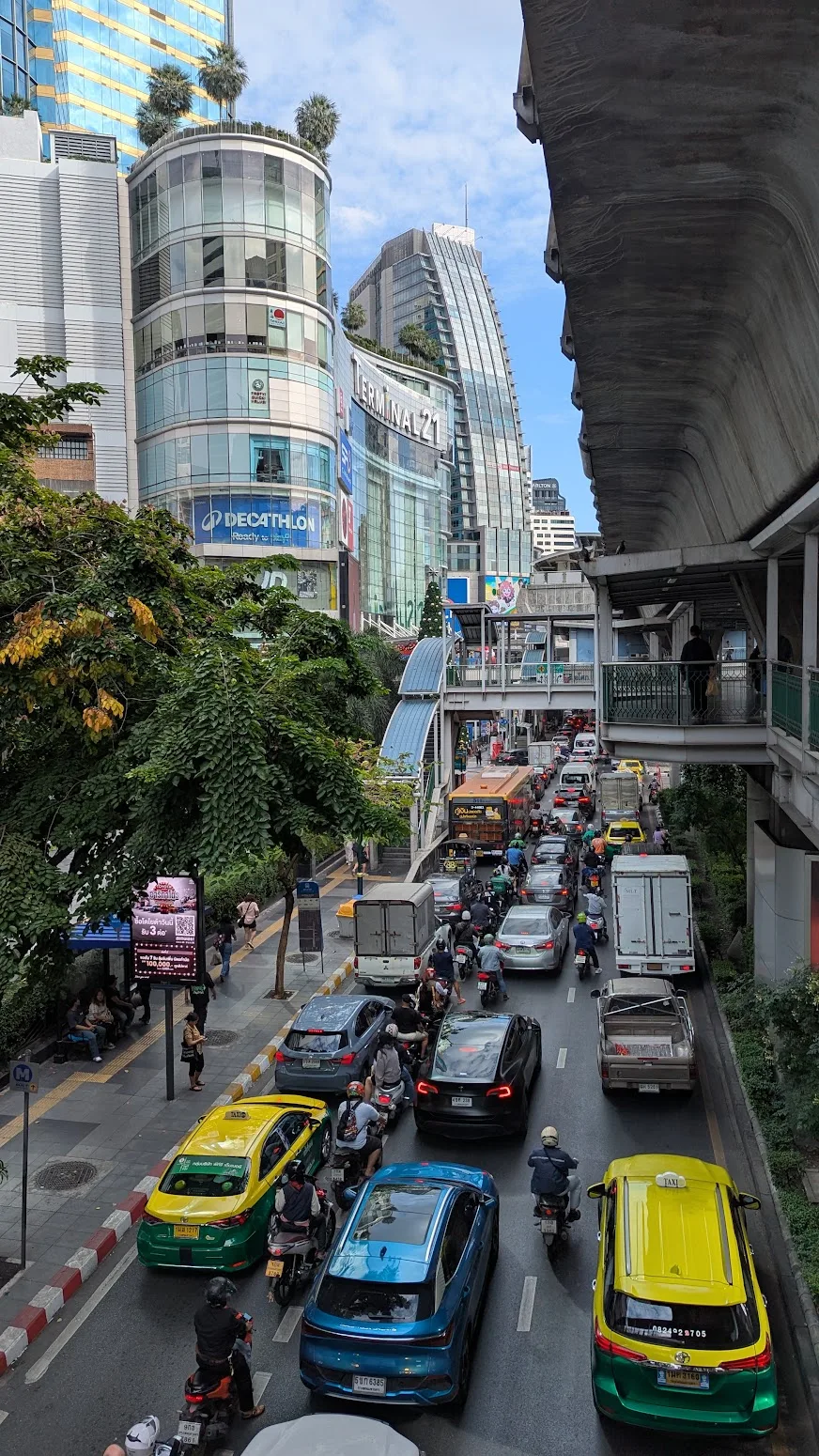
A fruit vendor’s motorbike cart crossing a wide Bangkok road beneath a pedestrian skywalk and lit shopfront signs
Out on the big roads
A fruit cart threading four lanes under the skywalk.
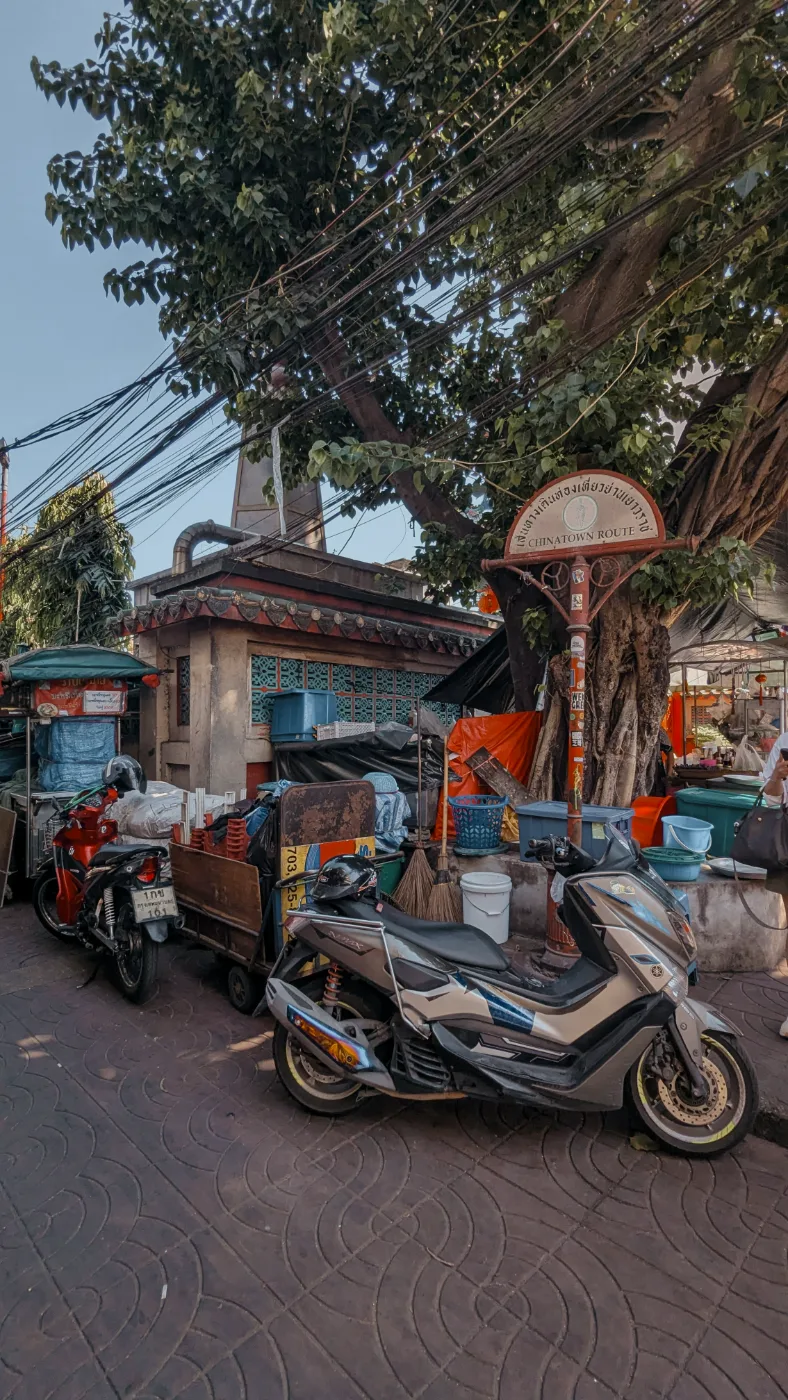
A silver scooter parked under a banyan tree beside a Chinatown Route marker sign, with market crates behind
The Chinatown Route
Every corner has a shrine, a banyan, and a parked scooter.
The practical bit

Before you go

How to move around it, what a day actually costs, and the two or three lines you will hear that are not true.

Nearly every first trip to Thailand lands here, which means Bangkok is also where you buy a SIM card, pull your first baht, and work out whether the tap water is safe. The arrival checklist covers all of it.

Getting around
BTS & MRT

The Skytrain and metro reach most of where you will want to be and always beat the traffic. Tap a contactless card, or buy a stored-value one.

Grab & taxis

Grab is the local ride app and removes the haggling. Metered taxis cost less, but only take one that agrees to run the meter.

River boats

Chao Phraya express boats connect the Old Town and the riverside, and are the cheapest sightseeing in the city.

From the airport

The Airport Rail Link runs from Suvarnabhumi to Phaya Thai until midnight. After that take a Grab, roughly 400 to 500 baht to Sukhumvit.

What a day costs
Street meal60–100 ฿
Restaurant meal250–500 ฿
BTS or MRT ride20–50 ฿
Grab across town150–300 ฿
Grand Palace entry500 ฿
Rooftop cocktail400–700 ฿

A comfortable day on foot and by train, hotel aside, lands around 2,000 to 3,000 baht, roughly US$55 to $85. Typical cases, not quotes.

What to watch for
“It is closed today”

It is not. Anyone who tells you a major sight is shut and then offers a tuk-tuk tour is paid to deliver you to a gem or tailor shop.

The 20-baht day tour

The same routine, stretched over an afternoon. A genuine tuk-tuk ride is agreed per trip and costs a great deal more than that.

No meter, fixed price

Do not argue about it. Close the door, take the next taxi, or open Grab instead.
Every scam worth knowing →
On first impressions

You don’t ease into Bangkok. You let it immerse you.

Where to stay

Best areas to base yourself

Three bases cover almost every first trip. The difference is what you give up, so pick by trade-off rather than by name.

Drag to explore. The three shaded areas are the bases below, numbered to match. Map data © OpenStreetMap contributors.
01 Best overall

Sukhumvit

The default first-timer base: everything sits on a train line, and you can eat at any hour.

Best for First trips, late arrivals, and anyone who would rather not think about taxis.
On the map BTS Asok, Phrom Phong, and Thong Lo, with the MRT interchange at Asok.
Trade-off The most international stretch of the city, so it is light on old Bangkok atmosphere, and Nana and Soi 11 stay loud past midnight.
02 Culture & charm

Riverside / Old Town

Temples, the Chao Phraya, and mornings that feel like a different century.

Best for Second visits, early risers, and anyone here mainly for the temples.
On the map MRT Sanam Chai for the Old Town; BTS Saphan Taksin and the Chao Phraya boats for the riverside.
Trade-off The Old Town has no BTS, so a night out means a taxi or a boat and some patience with traffic.
03 Central & walkable

Silom / Sathorn

Between the river and the park, with the shortest hops to both halves of the city.

Best for Walkers, runners, and short trips that need to reach everything fast.
On the map BTS Sala Daeng and Chong Nonsi, MRT Si Lom and Lumphini.
Trade-off A business district first: quiet on Sundays, and busy around Patpong on weekend nights. Silom Soi 2 and Soi 4 are the center of queer nightlife in the city.
Keep planning

Where to go next

Most first trips give Bangkok three or four nights and then head north. If you only read one more guide, read this one.

Recommended next

Chiang Mai

Cooler, slower, and walkable, with the old city and the mountains an hour apart. A short flight from Bangkok and the natural second stop on a first trip.

Read the Chiang Mai guide
Also useful
About this guide

Written by Belle, a Thai American who travels to Thailand every other year and has family in Bangkok. Everything here comes from my own visits unless the text says otherwise. Prices and journey times are typical cases rather than quotes, so recheck anything time-sensitive before you pay. Brand mentions are never paid placements, and the guide is reader-supported: some links may earn a commission, at no extra cost to you.

How we research →