Visas, the TDAC Card & Getting In
Most first-timers can enter Thailand visa-free, but there is one online form everyone now needs, and the visa-free rules are shifting in 2026. Here is what to sort before you fly.
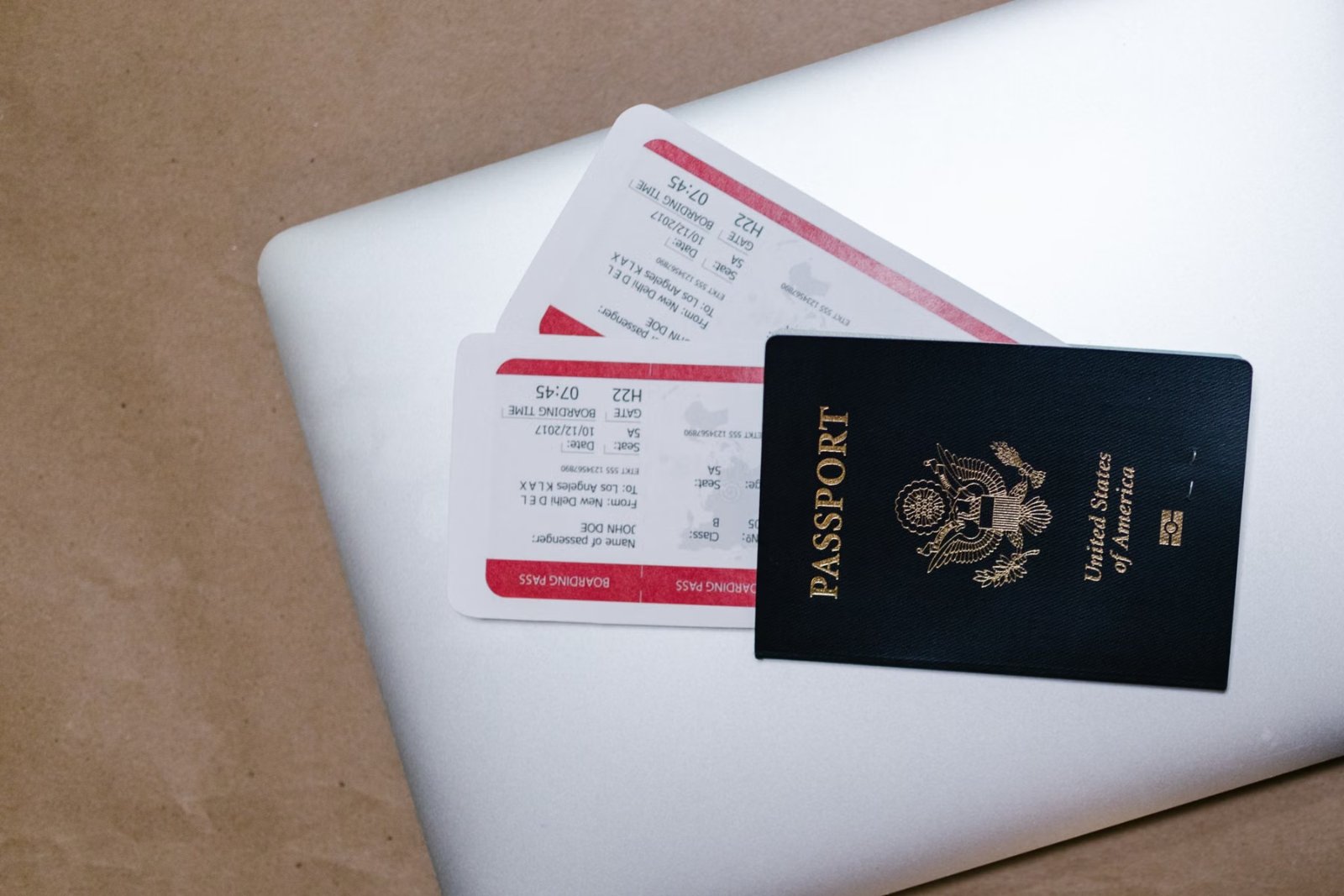

File Your TDAC Before You Land
Every foreign visitor must complete the free Thailand Digital Arrival Card (TDAC) online within 72 hours before arrival, at the official site tdac.immigration.go.th.[1] You get a QR code to show at immigration. It is not a visa, and the official form is free, so ignore look-alike sites that charge a fee.
Do not let it intimidate you: it is just a few short screens of passport, flight, and accommodation details, about three minutes with your documents to hand.
Three Ways In
Visa-free
Dozens of nationalities (including the US, UK, all 27 EU states, Canada, Australia, New Zealand, Japan, Korea, and now India) enter visa-free for tourism. The stay is 60 days today, but a cut to 30 days for 59 countries and territories is approved and waiting on the Royal Gazette, so plan around 30 and confirm before booking.[3][4] Extendable once by 30 days at an immigration office for about 1,900 baht.[7]
Visa on arrival
A 15-day stay bought at the checkpoint, for a small and shrinking set of nationalities: when the new rules land the list narrows to just Azerbaijan, Belarus, and Serbia.[3] Most Western travelers will never need it.
Tourist & long-stay visas
For longer trips, apply through the official Thai e-Visa portal for a tourist visa (around 60 days, extendable), or look at the multi-entry Destination Thailand Visa (DTV) aimed at remote workers and activity travelers.[6]
What to Have Ready
Valid 6+ months
Your passport should be valid for at least six months beyond your arrival date, with a blank page for stamps.
A ticket out
Carry proof of an onward or return flight within your permitted stay. Airlines often check this at check-in, more than immigration does.
An address
Have your first hotel booking or address handy for the TDAC form and any questions on arrival.
Proof if asked
Officers can ask for proof of funds: embassy guidance for the exemption scheme says 20,000 baht per person or 40,000 per family, and the government’s own reminder lists 10,000 or 20,000 for some visa-exempt and visa-on-arrival cases.[5] Rarely checked, but good to have.
How Long Can I Stay?
Your arrival day counts as day one, which is where most overstays start. Put your date in and see the last day your stamp covers.
A guide, not legal advice. The 60-day exemption is still in force as of August 1, 2026, but the Cabinet-approved revision has not yet been published in the Royal Gazette, so check the official sources before you book.[3] Extensions are granted at an immigration office for a 1,900 baht fee and are not automatic.[7]
A Few Things that Trip People Up
Visa rules are shifting in 2026. As of August 1, 2026, the 60-day visa exemption is still in force at the border. Thailand’s Cabinet first approved a return to 30 days on May 19, 2026,[2] then revised the scheme on July 14, 2026, under a “one country, one entitlement” principle:[4] 30 days for 59 countries and territories (including all 27 EU states and India, which was moved back off the visa-on-arrival list), 15 days for Mauritius and Seychelles, and visa on arrival kept only for Azerbaijan, Belarus and Serbia. It takes effect 15 days after publication in the Royal Gazette, which has not happened yet. Confirm your nationality’s current stay and file the free TDAC only on the official sites below.
More First-Timer Guides
Written by Belle, a Thai American who travels to Thailand every other year and has family in Bangkok. Fees, journey times and rankings were rechecked on August 1, 2026, against the numbered sources below. Brand mentions are never paid placements, and the guide is reader-supported: some links may earn a commission, at no extra cost to you.
How we research →- 1Thailand Digital Arrival Card, Immigration Bureau, Royal Thai Police. Official form and user manual. Supports: the 72-hour filing window and that the form is free.
- 2Thai Cabinet approves revision of 60-day visa exemption scheme, TAT Newsroom, May 21, 2026. Supports: the original May 19 Cabinet decision and the 15-day-after-Gazette rule.
- 3Thai Cabinet approves updated visa measures pending Royal Gazette publication, TAT Newsroom, July 16, 2026. Supports: current conditions still in place, the 15-day tier for Mauritius and Seychelles, and visa on arrival for Azerbaijan, Belarus and Serbia.
- 4Thailand revamps visa rules for 65 countries and territories, The Nation Thailand, July 14, 2026. Supports: 59 countries at 30 days, all 27 EU states, and India moving to a visa exemption.
- 5Thailand entry reminder on proof of funds for foreign visitors, Royal Thai Government, July 2026. Supports: the proof-of-funds figures by entry category and the under-12 exemption.
- 6Thailand e-Visa official portal, Ministry of Foreign Affairs. Supports: tourist visa and Destination Thailand Visa categories and how to apply.
- 7Extension of temporary stay, Immigration Bureau, Royal Thai Police. Supports: the 1,900 baht extension fee and that extensions are at an officer’s discretion.