Chiang Mai
The relaxed northern capital of temples, crafts, and cooking classes. A moated old city studded with temples, ringed by forested hills and elephant sanctuaries. Cooler, calmer, and craftier than Bangkok, it is the heart of the north.

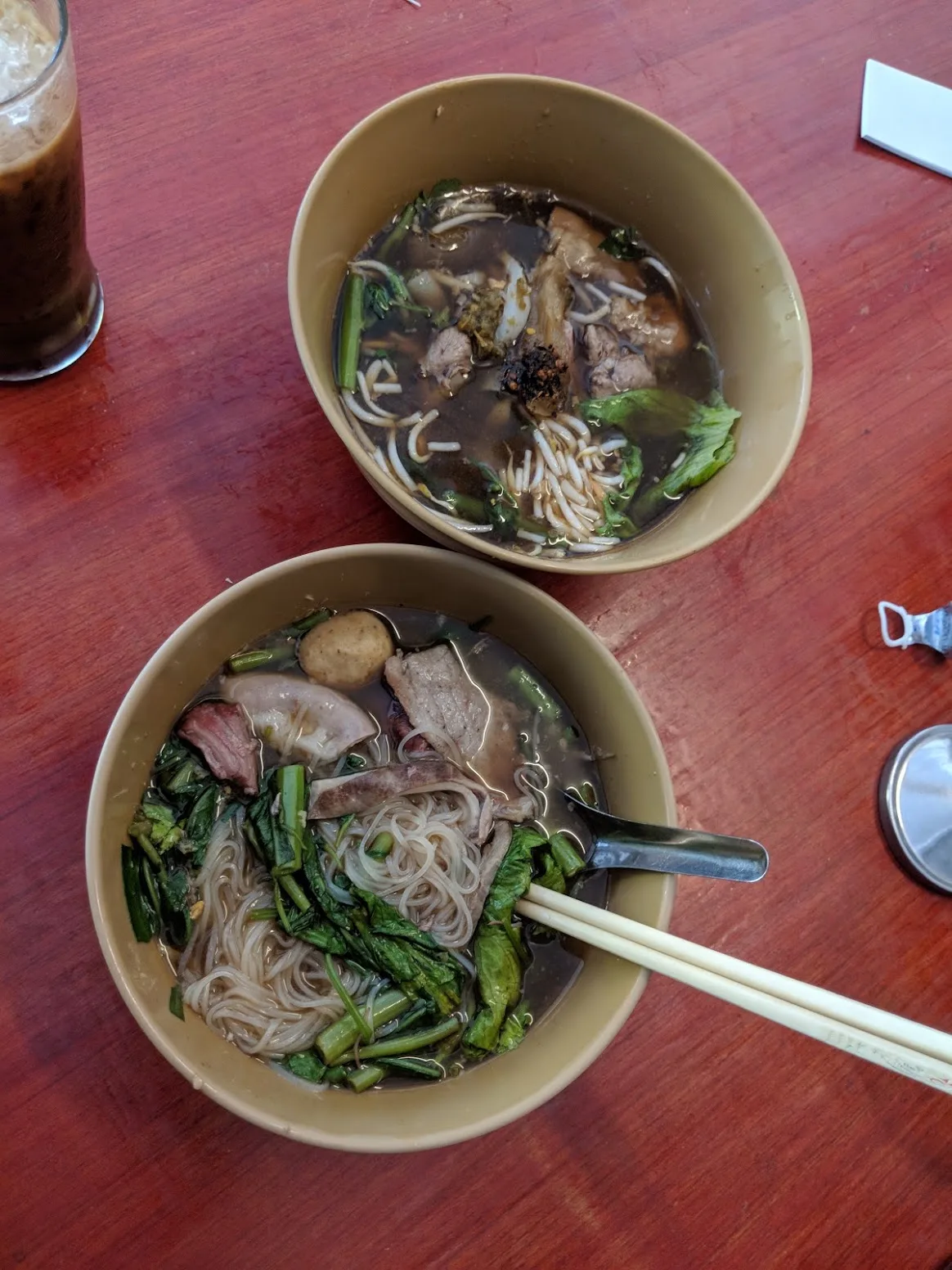
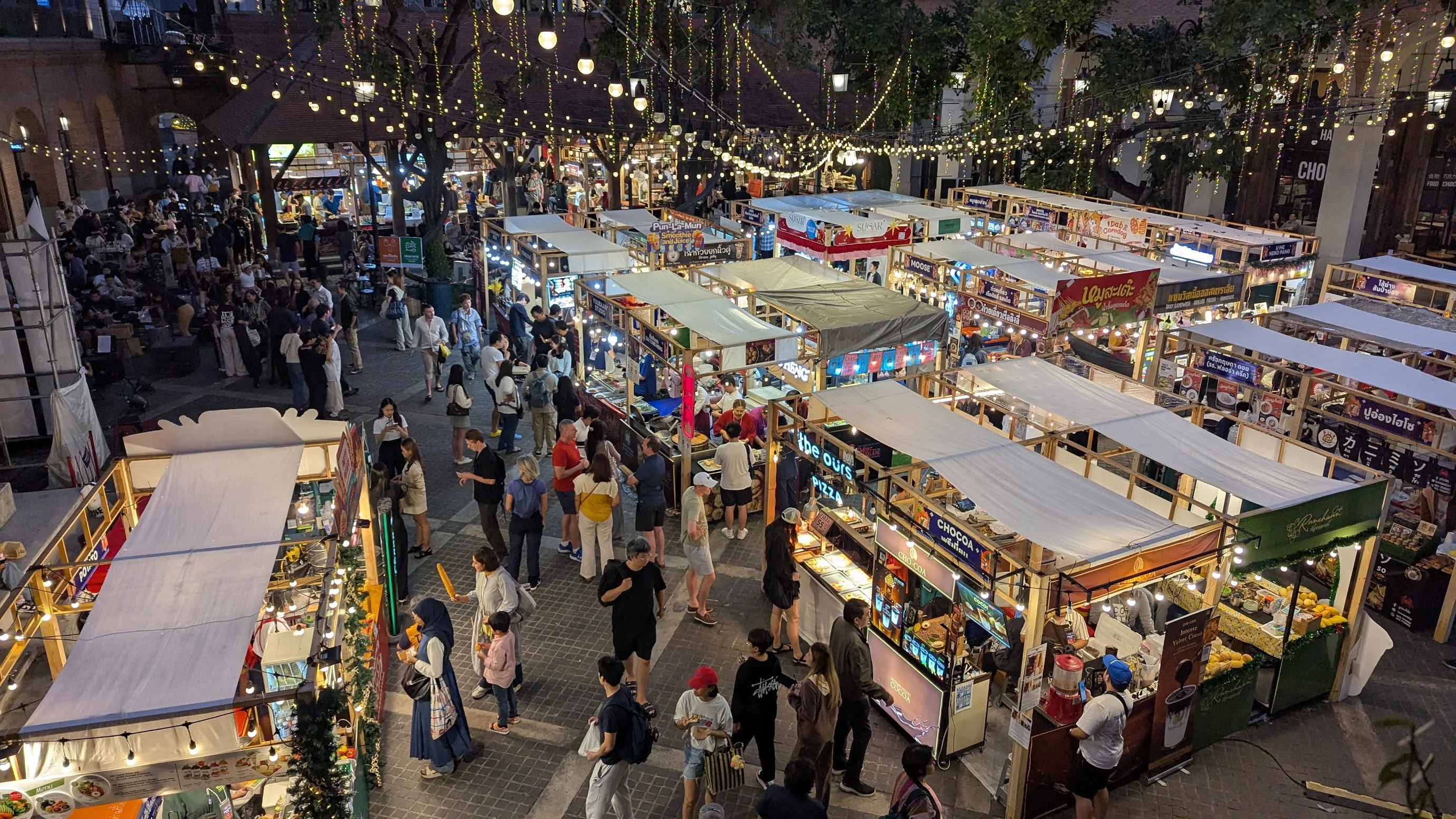
I landed at 11pm and ordered boat noodles on Grab. The next two days consisted of coffee, a tattoo, the night market to eat and shop, a khantoke dinner, the craft stalls in Nimmanhaemin, and one close-contact elephant day I would not repeat (I later found out it is not a fully ethical sanctuary).
The useful parts are in the guide below: Grab delivers past midnight, the airport is fifteen minutes from the moat, and a late arrival costs you an evening rather than a day.
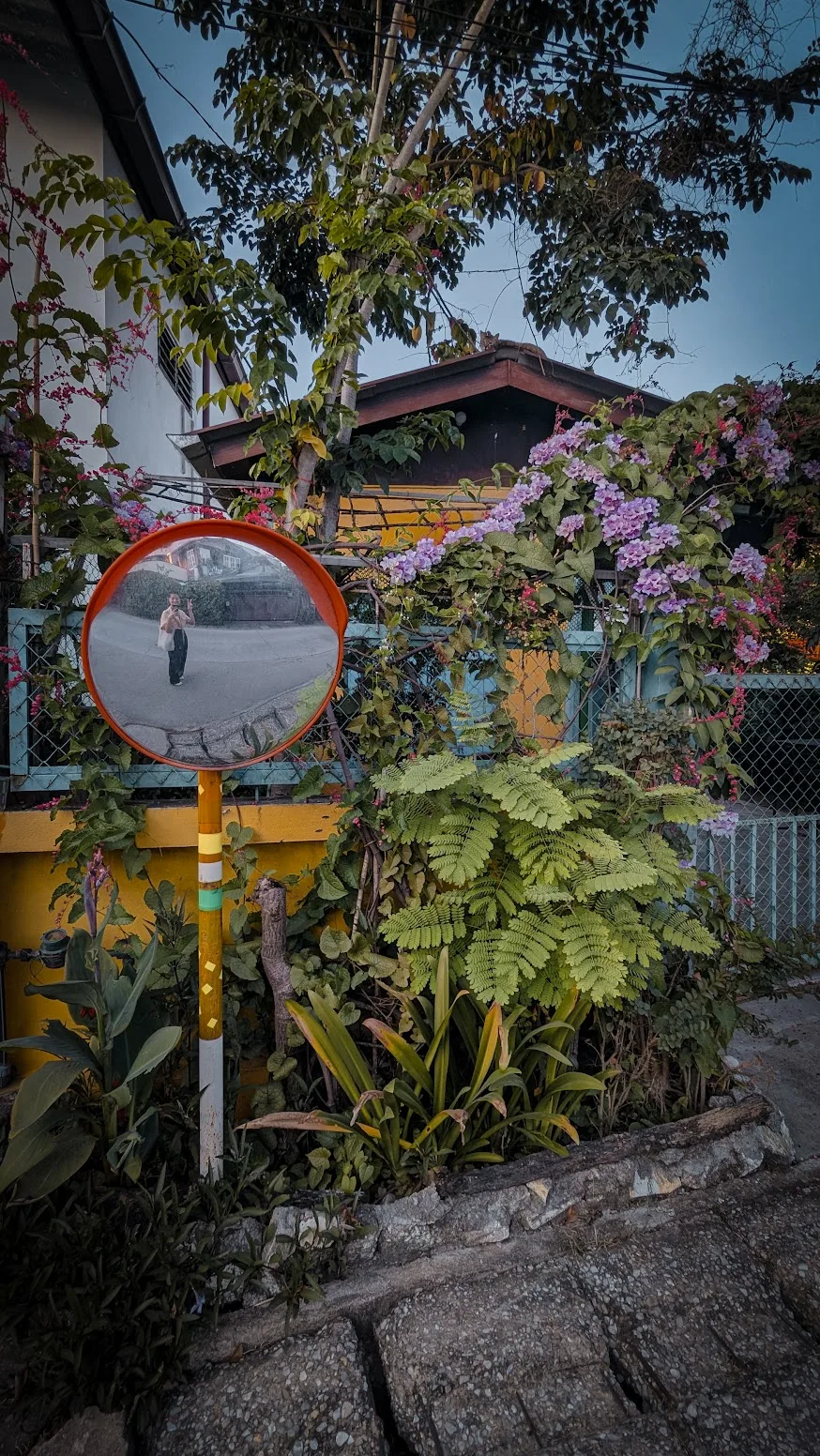
A Walled City With Mountains Behind It
Chiang Mai is two things at once: a compact old town you can walk across in twenty minutes, ringed by a moat and studded with temples,3 and a base for the mountains that start immediately west of it. Almost everything worth doing is either inside the walls or an hour up a hill.
Every place named on this page is on that map. Switch to the wider north view for the side quests.
Open in Google Maps →Cool, dry and clear, with mountain mornings in the low teens Celsius, the mid-50s Fahrenheit, and haze-free views up the valley. Month by month, see when to go.
Two nights covers the old city, one temple on the hill and a cooking class, and it will feel tight. Three is the honest minimum. Four lets you add Doi Inthanon or a hill trek without moving at a sprint.
The best place in Thailand to learn to cook, the densest concentration of Lanna temples anywhere, ethical elephant sanctuaries, and a cafe culture that rivals Bangkok at half the price.
Two of these change the price and the availability of everything in the city, so check the dates before you book.
Per person per day, excluding flights. Chiang Mai runs roughly a third cheaper than Bangkok for the same standard of room.
Four things that close, sell out or spoil a day here, with the dates they apply.
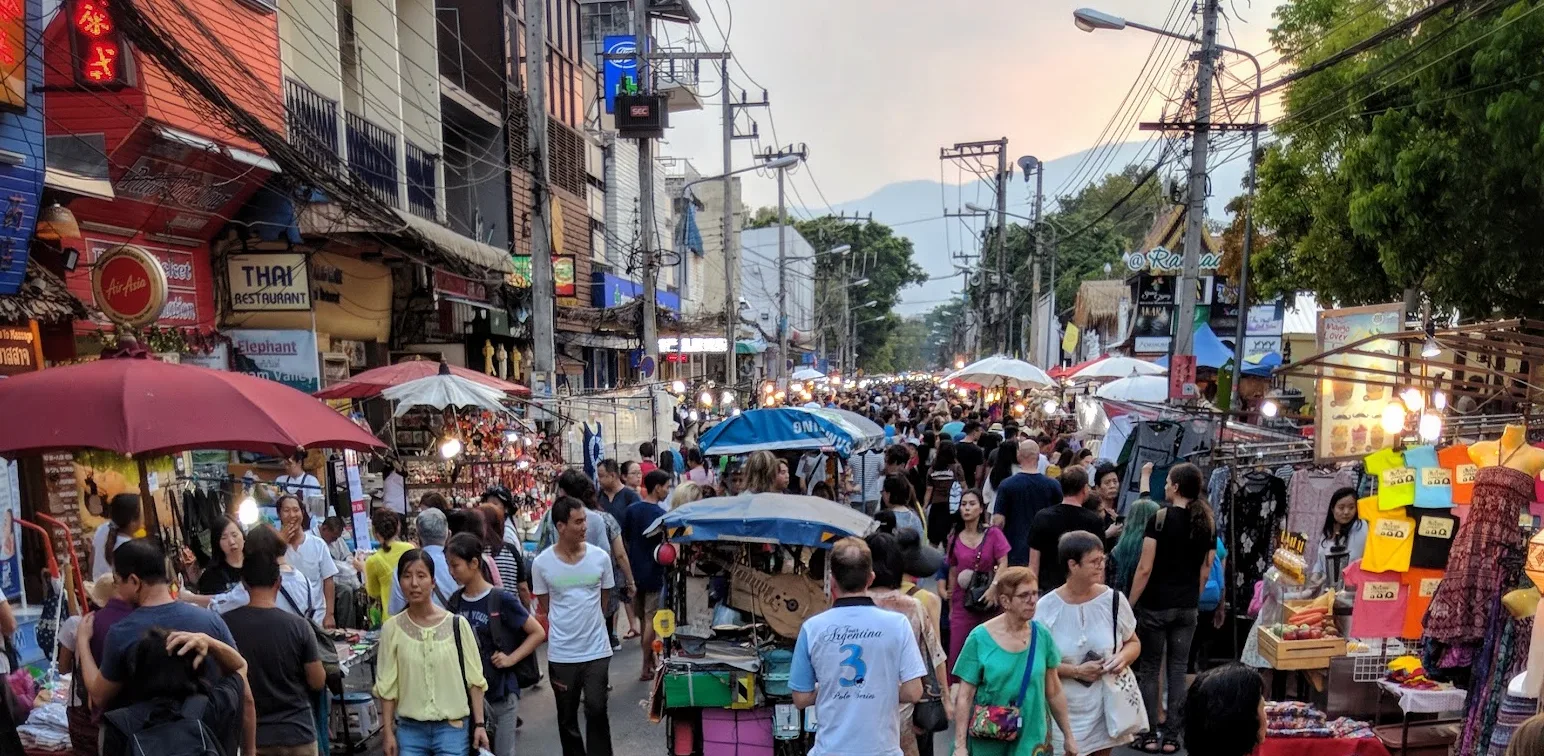
The Must-Dos
Everything on this page is worth doing, but these are the ones people come back talking about. Each one names the time of day it works best and how hard it actually is.
Do not stack two of these in one day. The cooking class and the sanctuary both eat a morning and leave you slow in the afternoon, which is exactly when Doi Suthep is best.
A farm cooking class
Get picked up, walk a market to learn the ingredients, then cook five or six dishes at a farm outside town: a curry paste from scratch, khao soi, pad thai, mango sticky rice. You leave with a recipe book and lunch already eaten. The single best-value half day in Thailand.
The old-city temples on foot
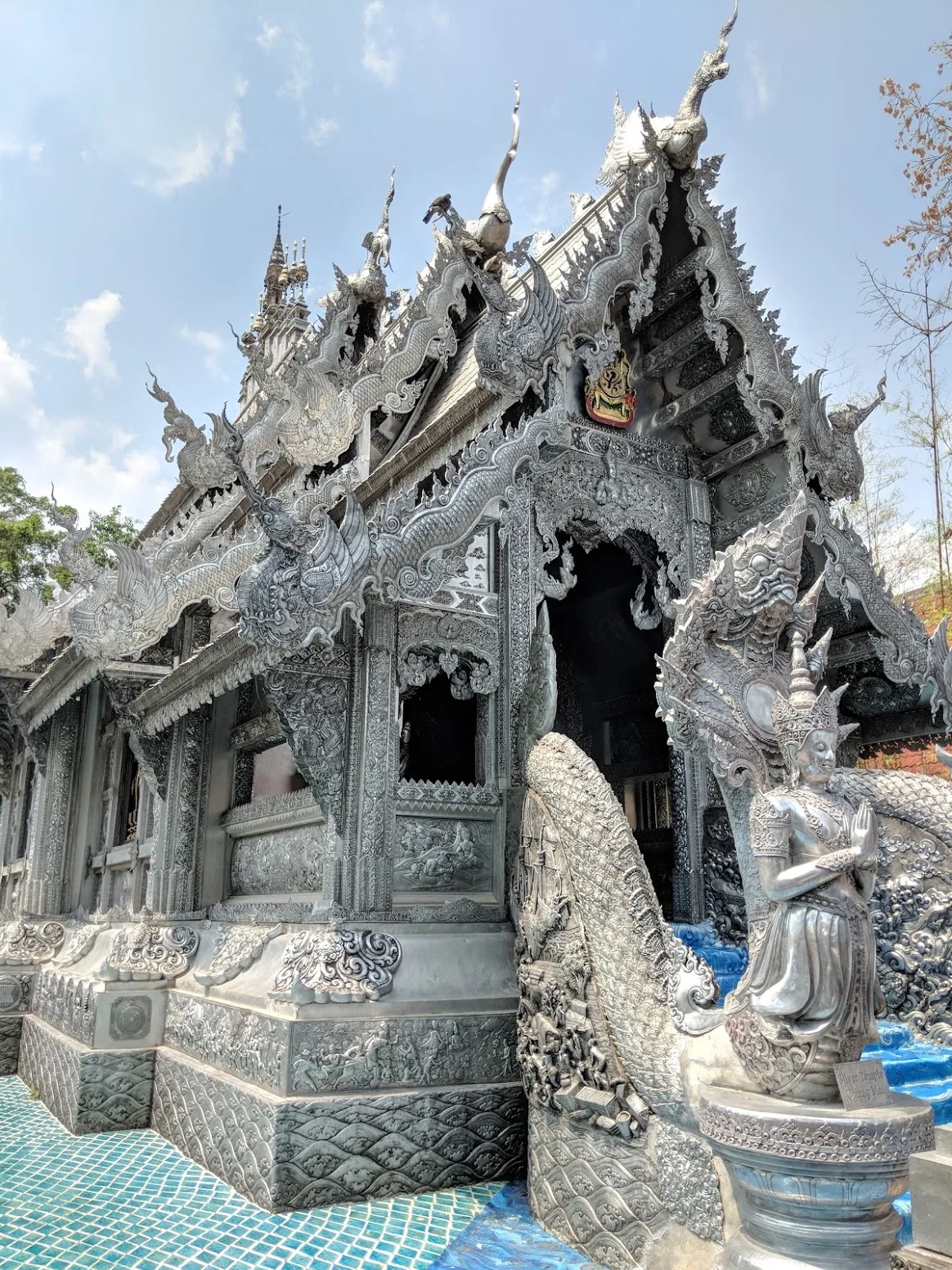
Wat Phra Singh and Wat Chedi Luang are eight minutes apart and both open by 6am. Go before the heat and the tour groups: the teak viharn at Phra Singh and the broken brick core of the Chedi Luang chedi are the two things you will remember. Cover shoulders and knees.
Doi Suthep at the end of the day
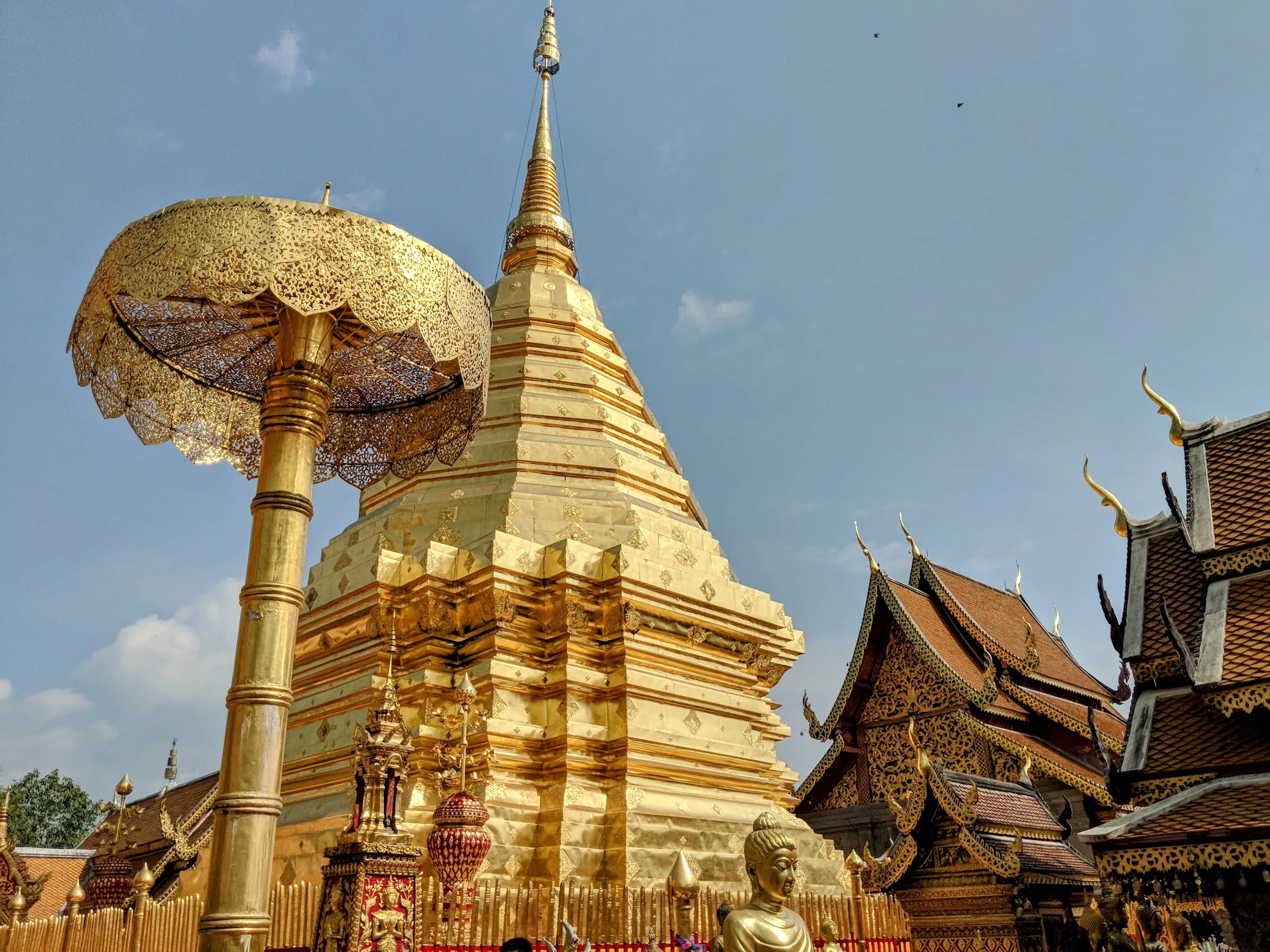
Fifteen kilometers (nine miles) up the mountain, then about 300 naga-flanked steps, or a 20 baht funicular if the stairs are too much2. Entry is 30 baht as of July 2026.2 Arrive around 4pm for the golden chedi in low sun. Expect a lot of walking once you are up there: the terraces, the viewpoint and the inner cloister add up.
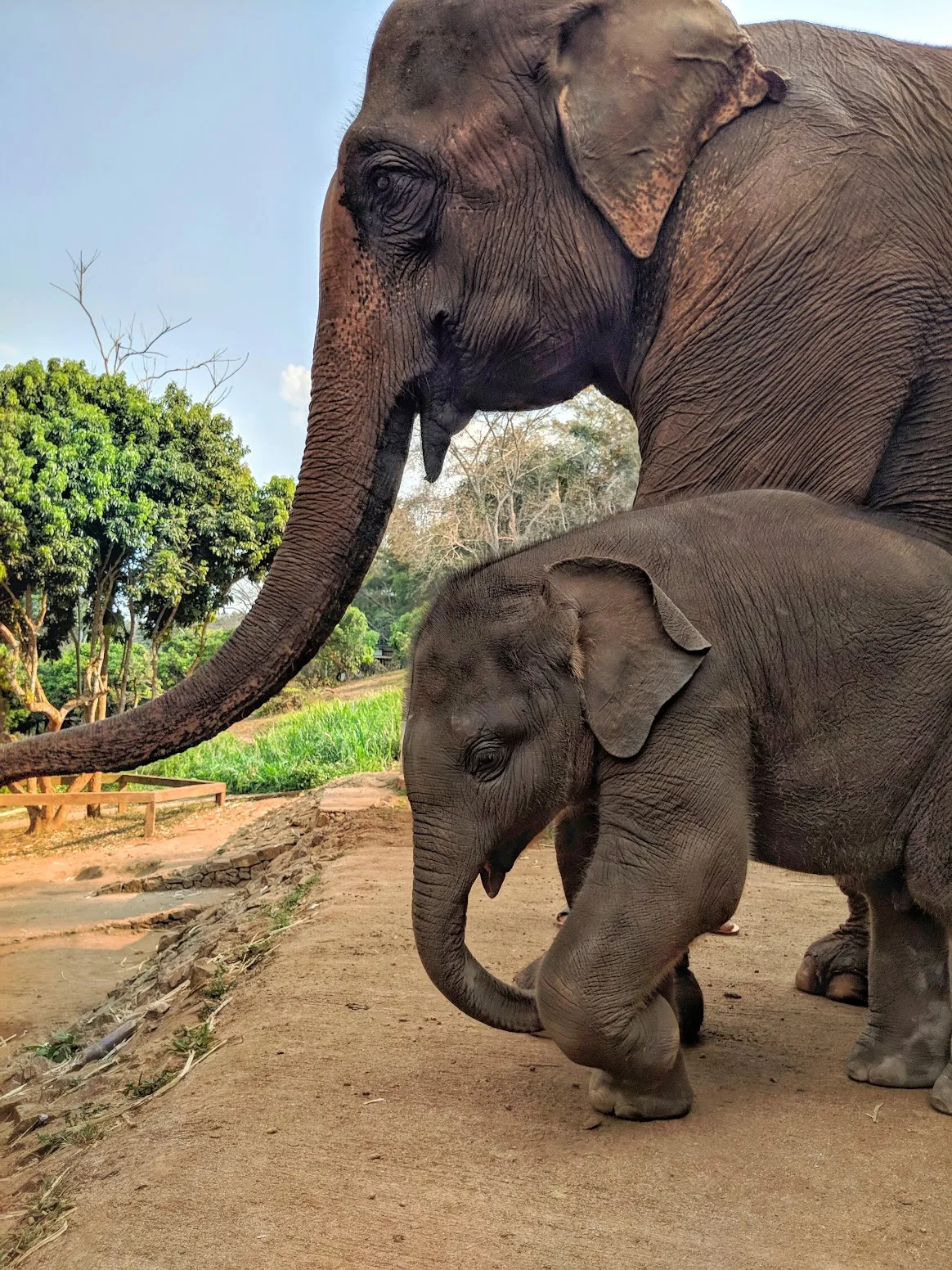
An ethical elephant sanctuary
Feeding, walking and watching, never riding or bathing shows. The good ones cap group sizes and keep you at a distance the elephants choose. Book direct and read our sanctuary guide first, because the word ethical is on plenty of places that have not earned it.
I have done one of the close-contact days myself, the kind where you feed and wash an elephant, and I would choose differently now: judge a place by whether bathing and riding are on the menu at all.
- Elephants are free to walk away from you, and contact happens on their terms.
- Rescue history is named: where each elephant came from, and when.
- Groups are capped, usually eight to twelve people per herd.
- Enough land that the herd can be out of sight of visitors.
- Riding, with or without a saddle. There is no ethical version.
- Bathing shows, where tourists scrub an elephant on cue.
- Painting, football, tricks, or any performance for a crowd.
- Chains and bullhooks anywhere on site, including off-tour areas.
These are the questions we ask before naming a place. The word ethical is unregulated in Thailand, so a sanctuary that passes all eight lines still deserves a phone call: ask what happens to the elephants at night. Our sanctuary guide →
A weekend walking street
If your trip covers a Sunday, the Sunday Walking Street closes Ratchadamnoen from Tha Phae Gate right through the old city: craft stalls, buskers and temple courtyards turned food halls. Saturday has its own smaller version on Wualai, the silversmiths’ road. Any other night, the Night Bazaar on Chang Khlan is the fallback, more souvenirs and less charm. Go at 6pm before the crush.
A coffee farm in the hills
The hills around Chiang Mai are serious arabica country, planted from the 1970s as a Royal Project alternative to opium. Estates and washing stations an hour out at Mae Rim, Doi Saket and Mae Taeng will walk you through picking, pulping and roasting, then let you cup what you just watched being made. Pairs neatly with the sticky waterfall on the same loop north.
Everything Else Worth Seeing
The must-dos above are the experiences. These are the places themselves, the ochre pins on the map at the top: three in or beside the old city, four out of town, from twenty minutes south to a full day up the mountain. Doi Inthanon is the one people wish they had given a full day.
Wat Phra Singh
The old city’s grandest temple, and the one to see if you only see one: a gilded Lanna assembly hall, a teak scripture library on a stone base, and the Phra Singh Buddha itself.

Wat Chedi Luang
The ruined brick chedi at the heart of the old town, half-collapsed by an earthquake in the sixteenth century and all the more imposing for it. Monk chat tables run most afternoons.
Warorot Market
The city’s working market: three floors of dried chili, northern sausage, snacks and fabric, with almost nothing aimed at tourists.
Doi Inthanon
Thailand’s highest mountain at 2,565 m (8,415 ft)7, and a full day out: the twin royal pagodas, the Ang Ka boardwalk through cloud forest, Wachirathan falls and hill-tribe markets on the way down. Cold at the top, so bring a layer.

Bua Tong Sticky Waterfall
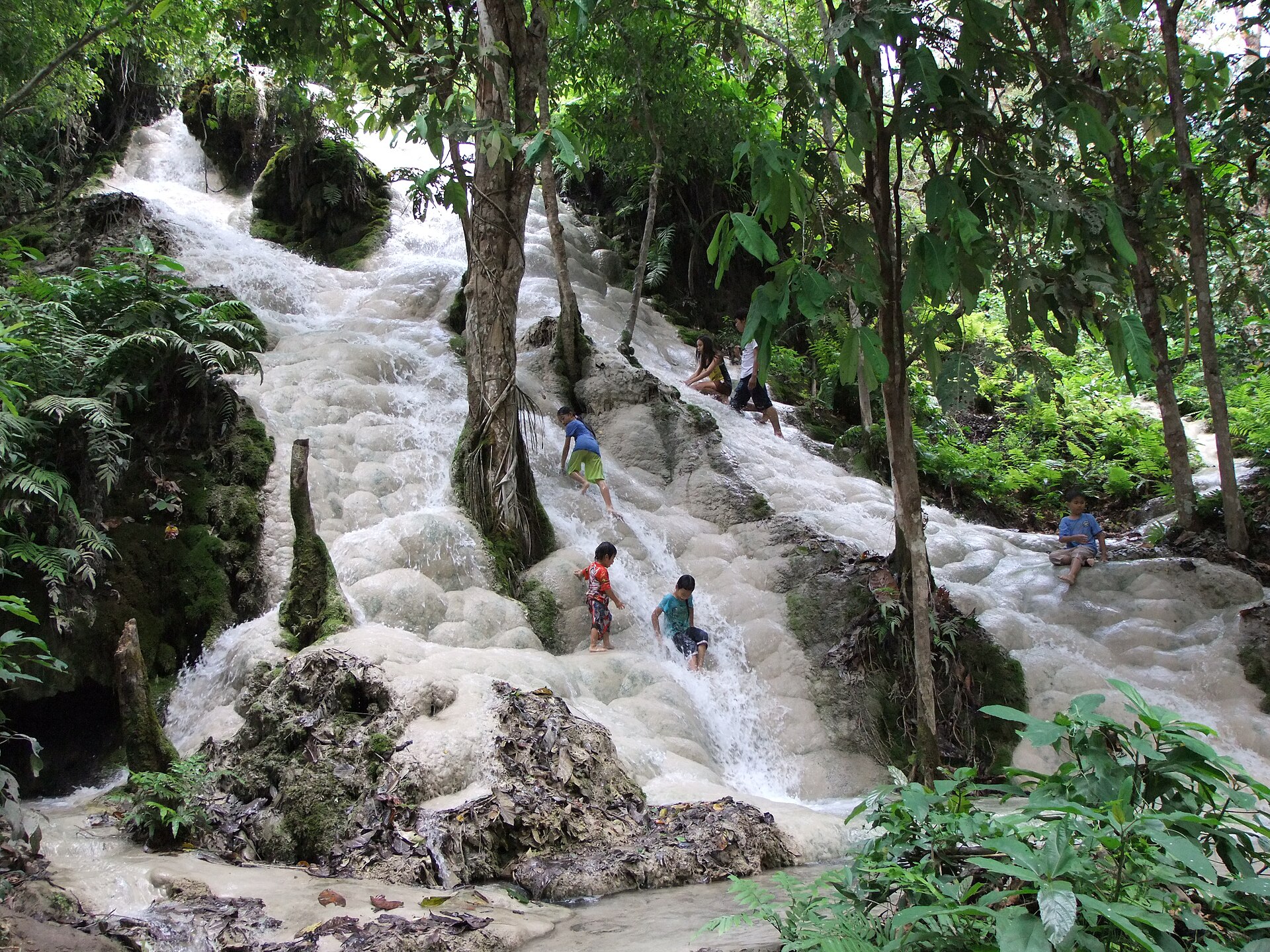
A limestone cascade you climb up rather than look at, the mineral crust giving enough grip to walk the falls barefoot. About an hour north, and genuinely fun.
Bo Sang & San Kamphaeng
The craft road east of town: hand-painted umbrellas at Bo Sang, silk weaving and celadon workshops at San Kamphaeng, and hot springs further along the same road.
Grand Canyon Chiang Mai
A flooded quarry turned swimming and cliff-jumping park, about 20 minutes south. Not natural, not subtle, and a good afternoon in the heat with teenagers.
Ways to Spend It
Same city, four different shapes. Every line says when in the day it works and how hard it is, so you can swap between them without wrecking the shape of a day.
Easy means flat ground and shade within reach. Moderate means stairs, a hill road, or a few hours in the sun. Active means a real walk, three hours or more, with an early start and proper shoes.
The Short Version
Two nights is the shortest shape that works here, and only if you leave the big mountains alone.
This covers the temples, one mountain temple and a cooking class, and nothing more. If you want Doi Inthanon or an elephant sanctuary, you need four nights.
The Easy Version
The honest minimum. Nothing strenuous, nothing more than an hour from the moat.
Good for a first trip, for anyone traveling with small children, and for the hot months when a full mountain day is punishing.
The Classic Mix
One big mountain day added, everything else kept calm.
The version most people should book. One early start, one long drive, and everything else within twenty minutes of your hotel.
The Active Version
For walkers. Two full days on your feet and an early start.
Kew Mae Pan closes for the rainy season, roughly June to October, so this shape only works in the cool months.
Best Areas to Base Yourself
Chiang Mai airport sits about 4 km (2.5 mi) from the moat, so nowhere is far. Times below are typical Grab or songthaew runs outside rush hour, and Arcade is the long-distance bus terminal on the northeast edge of town.
Old City
Inside the moat, walkable to the big temples, the Sunday market and most cooking-class pickups. Quietest at the western end, noisiest around Tha Phae Gate.
Nimmanhaemin
The university side, one kilometer (half a mile) west of the moat: specialty coffee, small boutiques, a younger crowd and the best late food. Walkable soi grid, more traffic noise.
Riverside
Leafy hotels along the Ping, ten minutes by car from the old city. The most relaxed base and the best value at the top end, though you will use Grab for everything.
Northern Food Is Its Own Cuisine
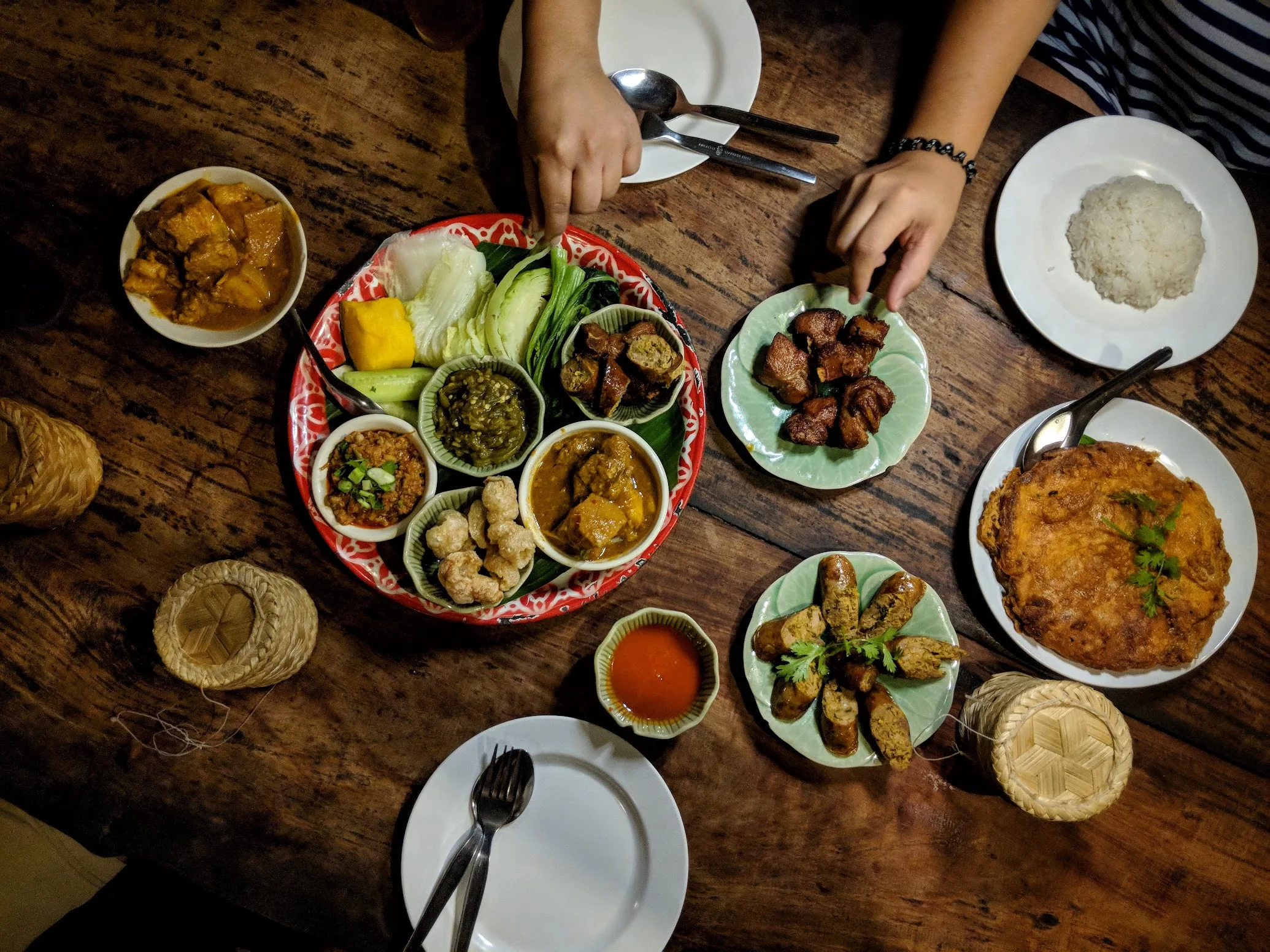
Lanna cooking is milder, smokier and more herb-driven than the Thai food most people arrive expecting, and it leans on sticky rice rather than jasmine. Four dishes are worth going out of your way for.
Chiang Mai is also the best place in the country to learn to cook all of it. Farm classes walk a market, then teach curry paste from scratch, khao soi and mango sticky rice in half a day: see cooking classes.
Khao soi
The dish the city is known for: a coconut curry broth over soft egg noodles, crowned with a nest of fried ones, with chicken or beef, pickled mustard greens, shallots and lime to cut it.
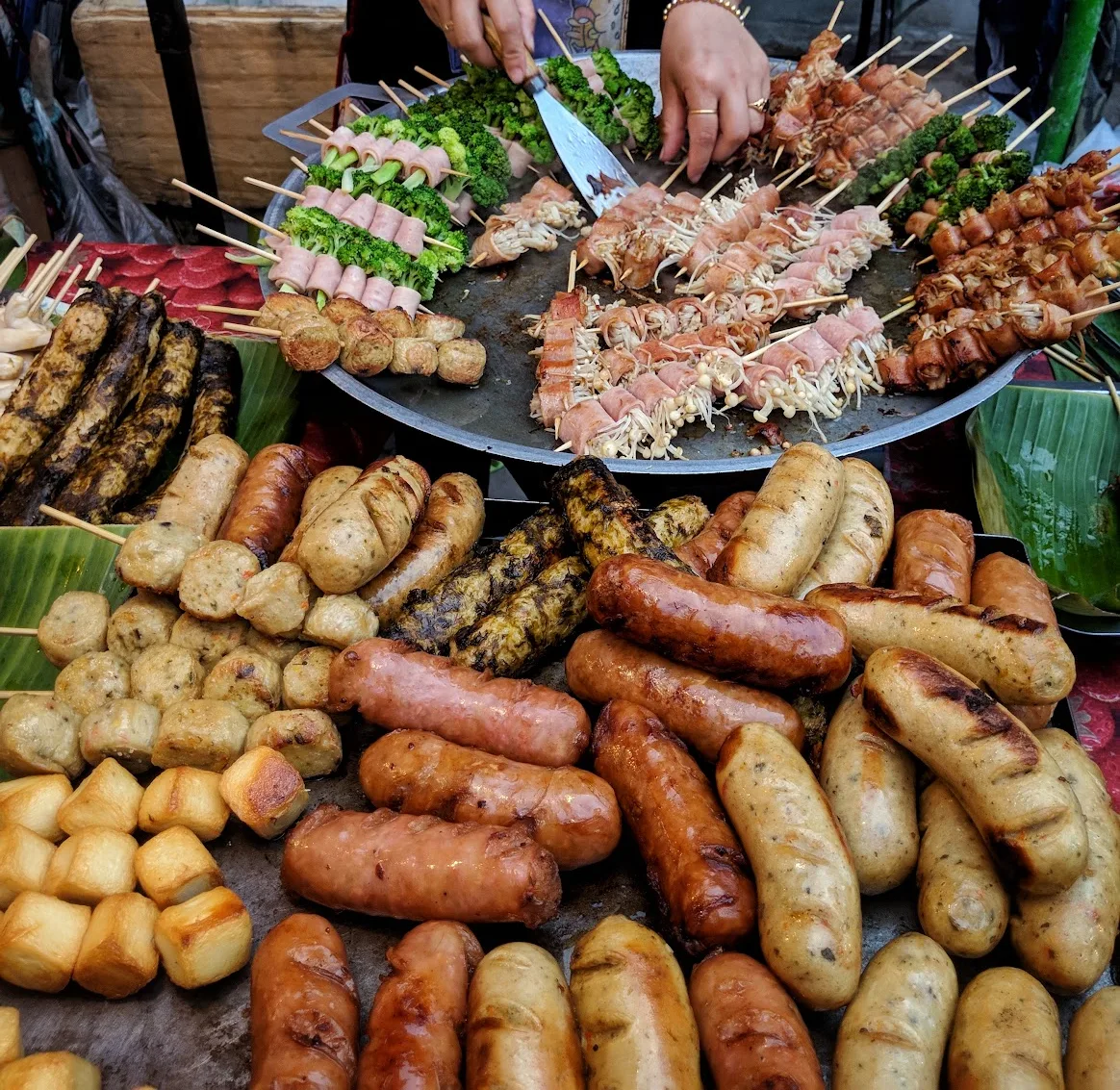
Sai ua
Northern herb sausage: pork ground with lemongrass, galangal, kaffir lime leaf, turmeric and dried chili, then coiled and grilled over coals. Eaten with sticky rice, not bread.
Nam prik noom
A roasted green chili dip, smoky rather than sweet, scooped up with sticky rice, crisp pork belly and steamed vegetables. Usually the hottest thing on a northern table.
Khanom jeen nam ngiao
Fermented rice noodles in a tart tomato and pork-rib broth thickened with dried cotton-tree flowers. Lighter and sharper than khao soi, and a better breakfast.
Chiang Mai is a beer-and-night-market city rather than a cocktail one, with two exceptions: the only two bars in the north to make Thailand’s 20 Best Bars 2025.9 They are the gold pins on the map at the top, one by the river and one five minutes north of the moat.
Bar.San
Also named Best Bar in Chiang Mai, and the highest-placed bar in the country outside Bangkok.9 Sister to Noir CMI: bar seats and Japanese plates on the ground floor, a quieter room upstairs.
Bar Not Found
Every drink is named after a Pantone swatch, and the room is bright and primary-colored rather than speakeasy dark. Four unmarked doors on the street: you want the third from the left.10
Ranks from Thailand’s 20 Best Bars 2025, checked July 2026
Worth the Longer Drive
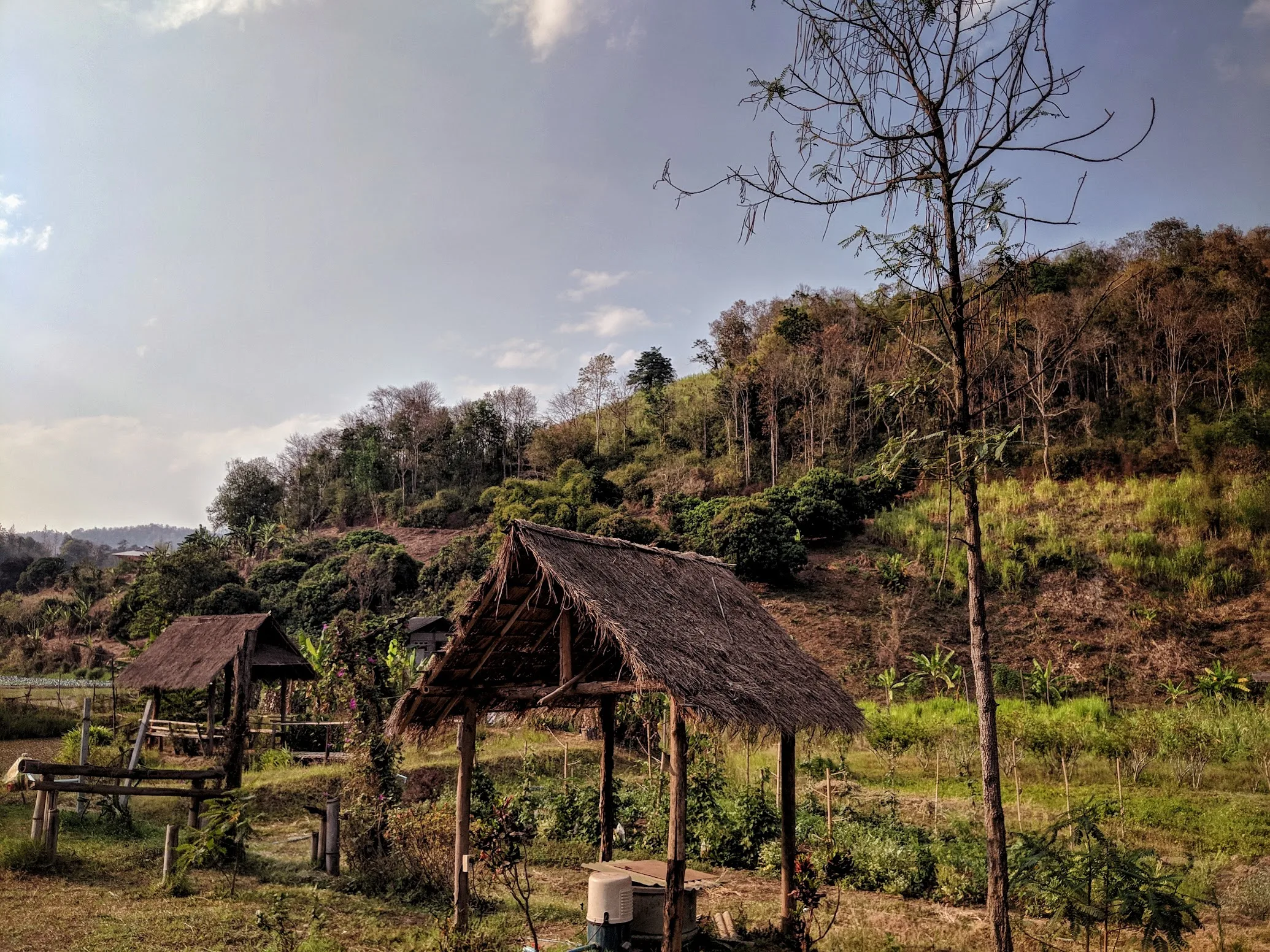
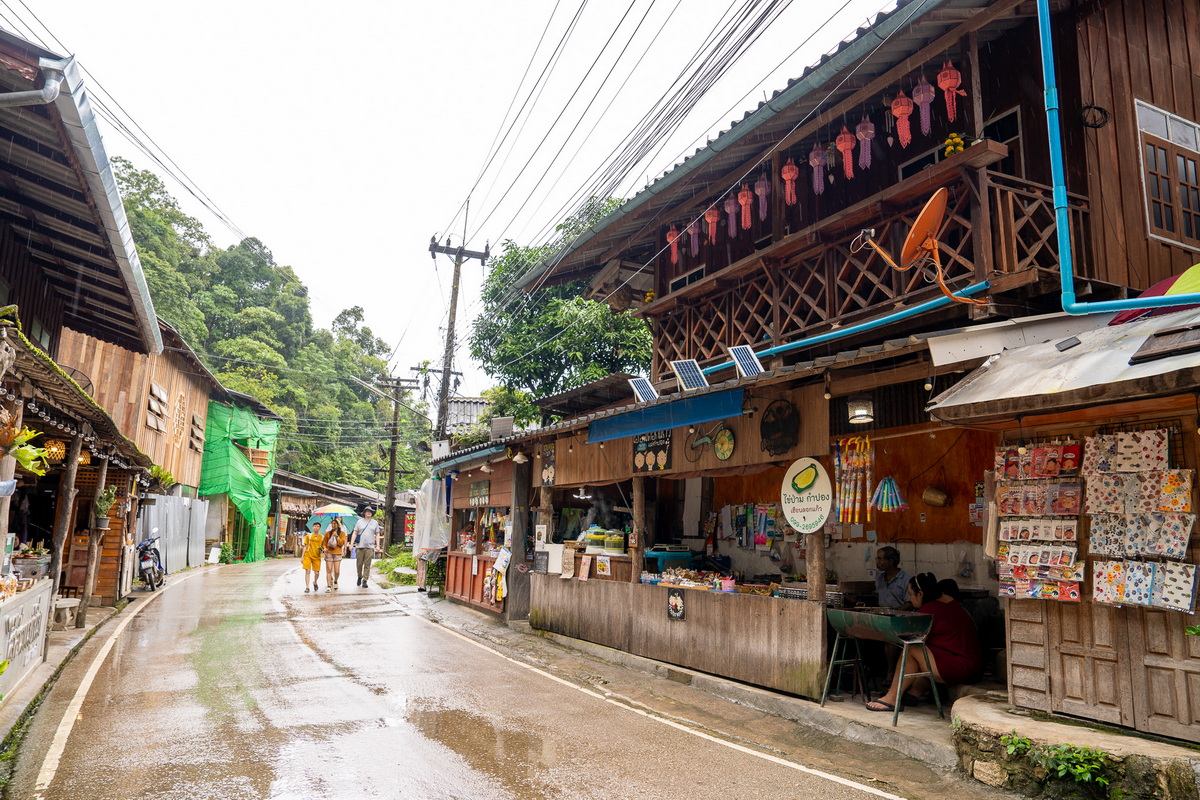
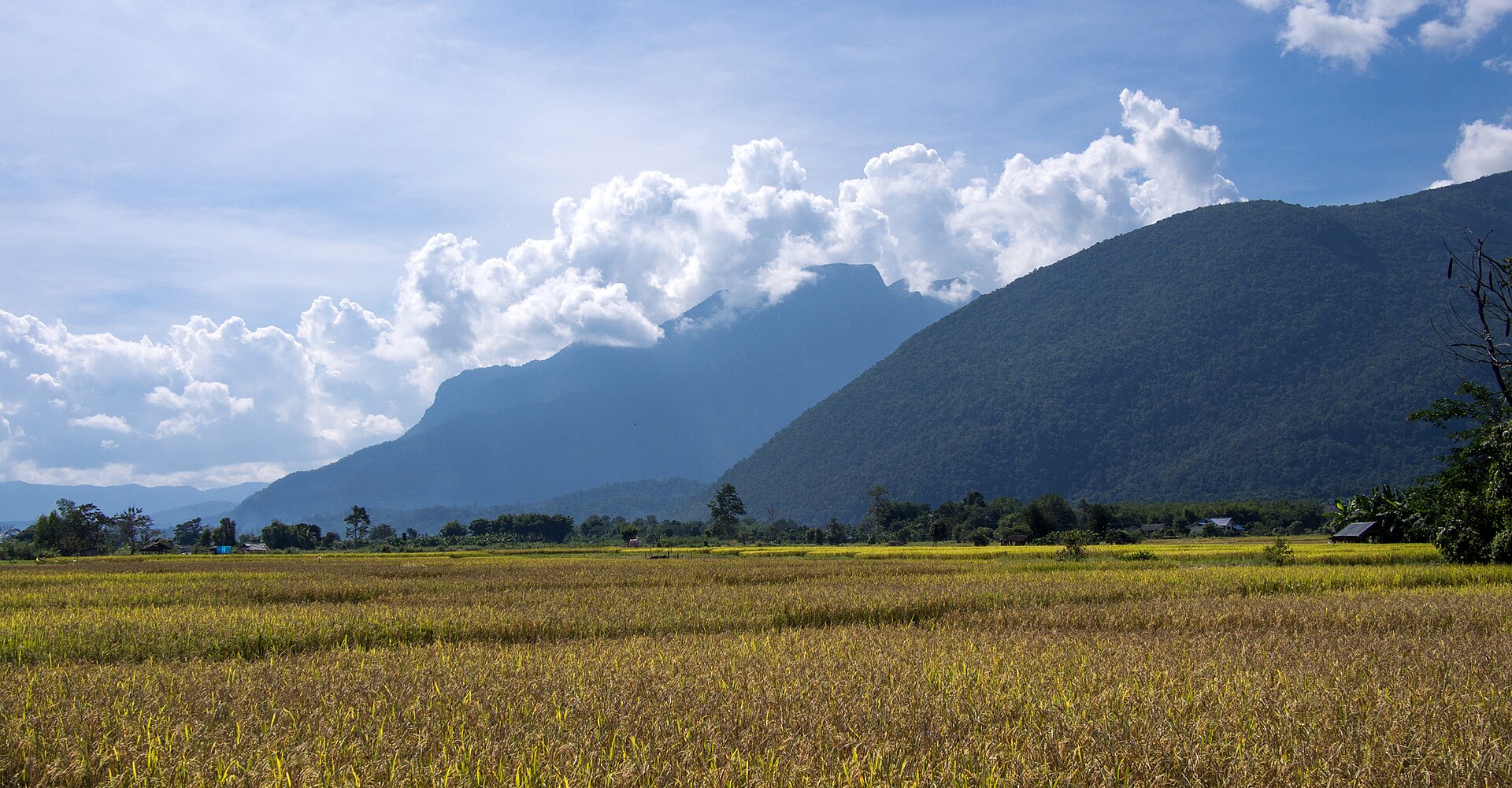
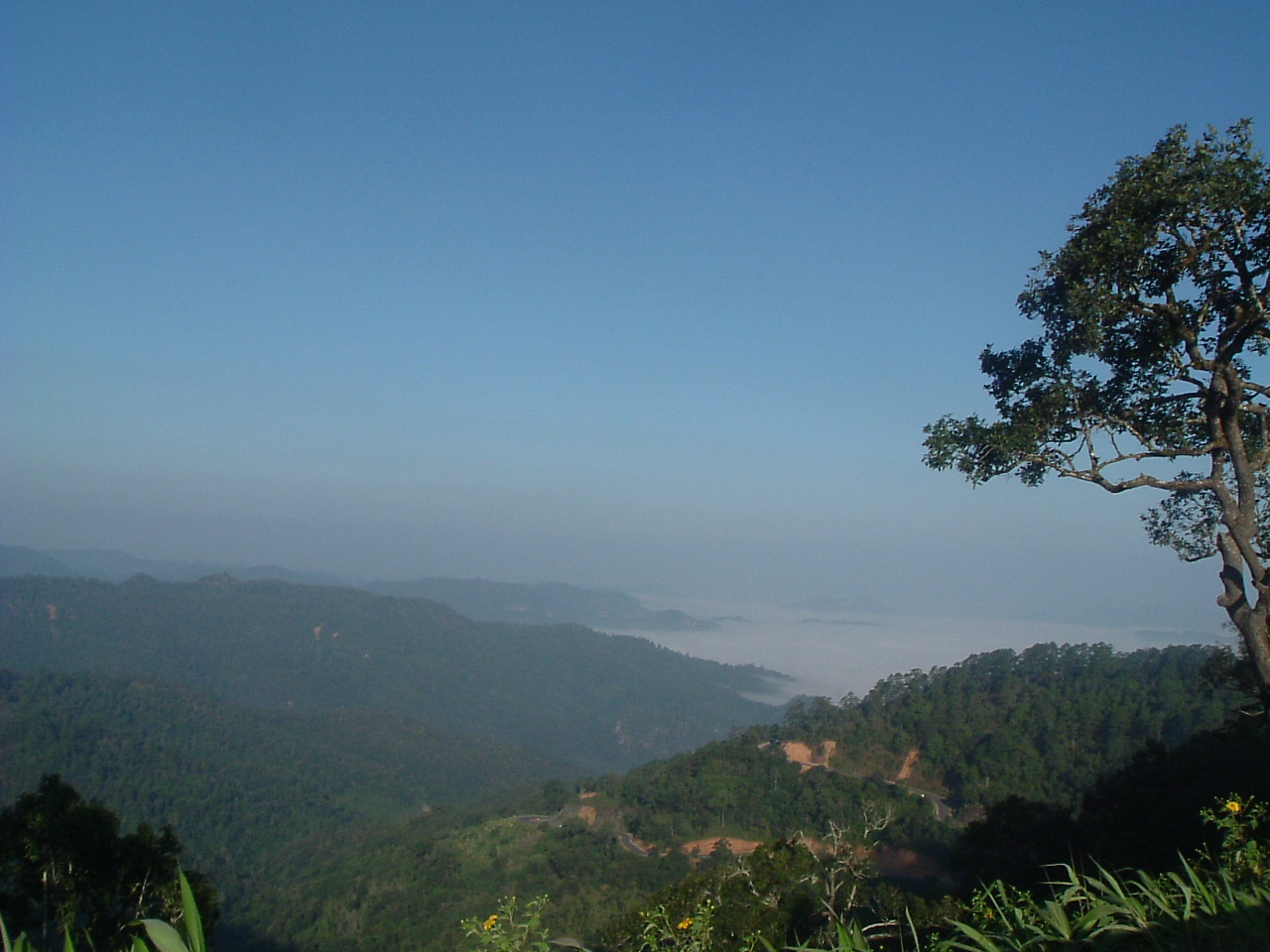
Most first-timers never make it past the old city walls. Give the north a spare day or two, though, and Chiang Mai stops being the destination and starts being the base. Every trip below is a green pin on the map at the top: switch it to the wider north view to see how far each one takes you.
Related Guides
Written by Belle, a Thai American who travels to Thailand every other year and has family in Bangkok. Fees, journey times and rankings were rechecked in July 2026 against the sources below. Brand mentions are never paid placements, and the guide is reader-supported: some links may earn a commission, at no extra cost to you.
How we research →- 1Doi Inthanon entry, 300 baht for foreign adults: Thai National Parks, from Department of National Parks fee schedules. View source
- 2Doi Suthep entry, funicular fare and stair count: Chiang Mai Traveller. View source
- 3Chiang Mai founded 1296 as the Lanna capital; the inner and outer walls, gates and moat are the core of the city’s UNESCO nomination: UNESCO World Heritage Centre, tentative list. View source
- 4Loy Krathong falls on the full moon of the twelfth lunar month, in November, and exact dates are usually confirmed only about a month ahead; sky lantern releases are banned in the city center: The Longest Way Home, Chiang Mai festival guide, 2026. View source
- 5Burning season runs January to April and peaks in March; 2024 annual PM2.5 average of 26.4 micrograms per cubic meter, 5.2 times the WHO annual guideline: IQAir, March 4, 2026. View source
- 6Peak episode of AQI 233 and PM2.5 of 188 micrograms per cubic meter, ranked worst in the world on March 30, 2026: Open Magazine. View source
- 7Doi Inthanon summit elevation, 2,565 m (8,415 ft), in a park of 482 sq km (186 sq mi) gazetted in 1972: Department of National Parks, Wildlife and Plant Conservation. View source
- 8Songkran is observed as a three-day national holiday, April 13 to 15: Tourism Authority of Thailand newsroom. View source
- 9Bar.San at No.10 and Bar Not Found at No.12 on Thailand’s 20 Best Bars 2025, with Bar.San also named Best Bar in Chiang Mai: Time Out Chiang Mai. View source
- 10Bar Not Found’s Chang Phuak location, color-named cocktails and four-door entrance: The Infatuation. View source
Everything here was accurate when checked in July 2026, but prices, opening hours, road conditions, park closures and festival dates change without notice. We make no warranty that any of it is current, complete or correct, and we accept no liability for loss, cost, injury or disappointment arising from decisions you make on the basis of this guide. Verify anything that matters, entry fees, transport times, trail access, visa rules, with the operator or the relevant authority before you book or travel.
Links to other sites are offered as a courtesy. We do not control them, do not endorse their content and are not responsible for anything you read, buy or agree to once you leave this page. Nothing on this page is travel, medical, legal or insurance advice.