Ethical Elephant Sanctuaries
How to see elephants responsibly: what “ethical” really means, the red flags to avoid, and where first-timers go.
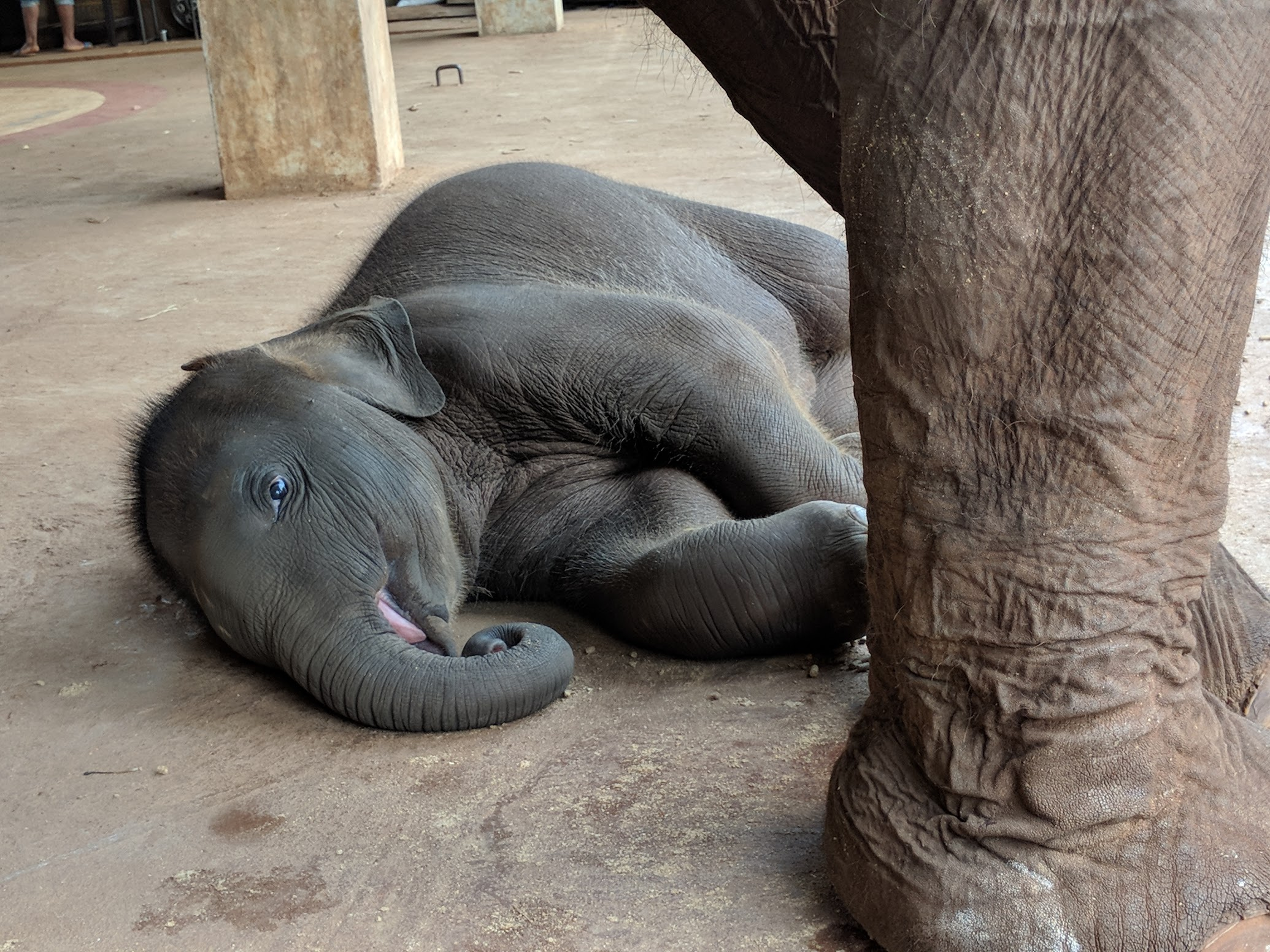

How to Recognize a Real Sanctuary
No riding or shows
The best places let elephants roam free. Riding, circus tricks, and forced bathing are red flags.
Space and small groups
Look for large forested land, limited daily visitors, and herds that set their own pace.
Where they come from
Genuine sanctuaries rescue former logging and trekking elephants and don’t breed for tourism.
Questions to Ask Before You Book
More on “bathing on demand”: many parks invite visitors to scrub and splash the elephants in a river on a set schedule, often for group after group all day. It photographs beautifully, but the constant handling and forced repetition stress the animals, and it usually means they are still performing for tourists rather than being left to bathe when, and if, they choose.
Worth Doing Right
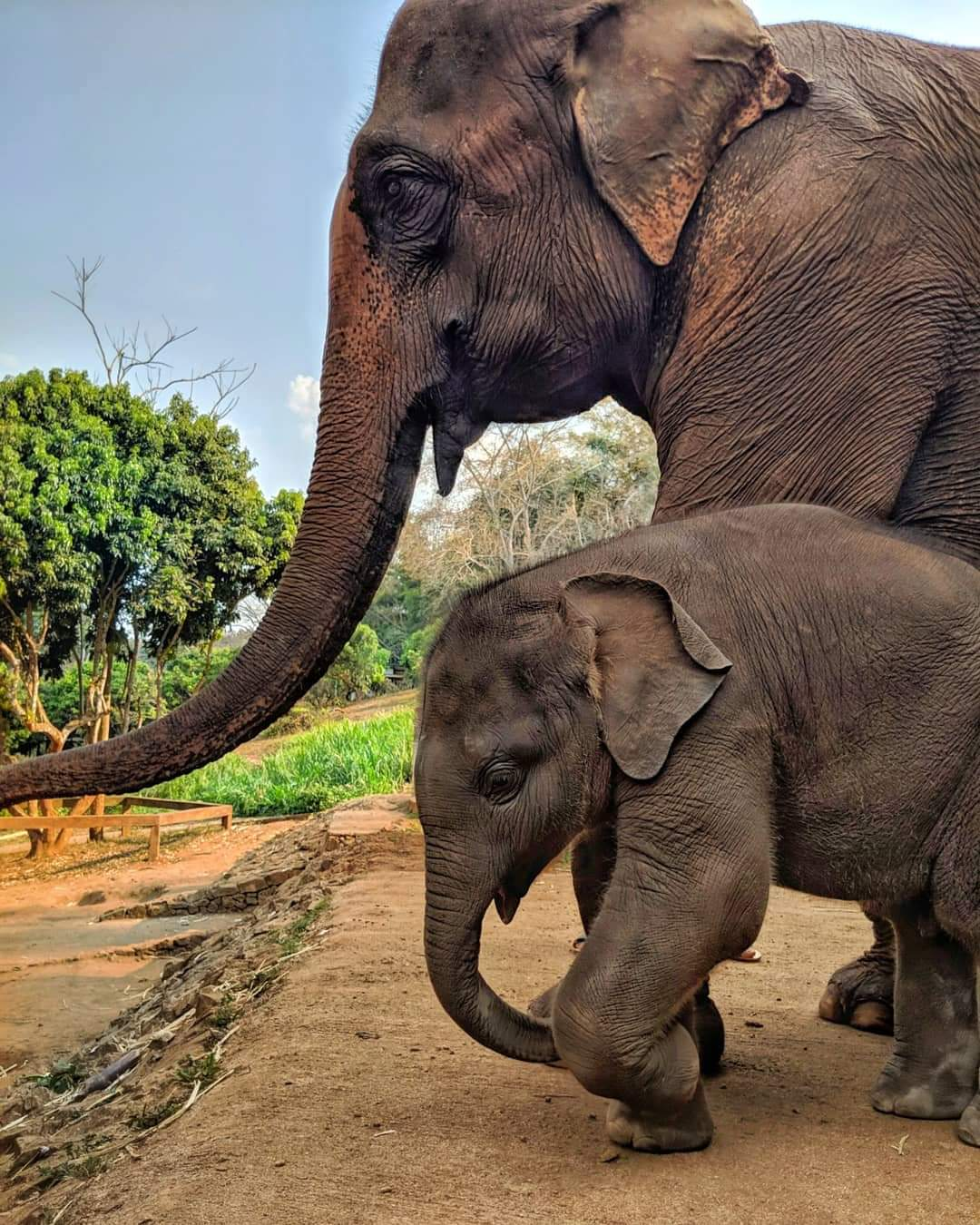
Thailand is home to thousands of captive elephants. For most of the last century their work was logging, and later carrying tourists. A real sanctuary is where that story turns: rescued elephants live out their days in the forest, foraging, bathing when they feel like it, and raising their calves at their own pace.
On my own visit near Chiang Mai, the best moment was also the quietest: a calf dozing in the shade beside its mother while the rest of the herd grazed nearby. No show, no schedule, just elephants being elephants. That is the feeling to look for when you choose where to go.
Vetted & Popular
Elephant Nature Park
The best-known ethical park. Observe and help feed a rescued herd, never ride. Book well ahead; it fills fast.
elephantnaturepark.org →Elephant Hills
A tented camp by the rainforest with a no-riding elephant experience, easy to pair with Cheow Lan Lake.
elephanthills.com →Wildlife Friends Foundation
A rescue center for elephants and other wildlife in Phetchaburi, an easy day trip if you are not heading north.
wfft.org →Kindred Spirit
A community-run hillside project with retired elephants, no riding and no forced bathing.
kindredspiritelephants.com →Boon Lott’s Sanctuary
A small, deeply ethical rescue in the hills near Sukhothai. Elephants roam free and day visits are rare and limited.
blesele.org →Samui Elephant Sanctuary
The island’s first ethical sanctuary, a retirement home for former trekking and logging elephants.
samuielephantsanctuary.org →Before You Go
What to Bring & Wear
What to Expect
More First-Timer Guides
Written by Belle, a Thai American who travels to Thailand every other year and has family in Bangkok. Everything here comes from my own visits unless the text says otherwise. Prices and journey times are typical cases rather than quotes, so recheck anything time-sensitive before you pay. Brand mentions are never paid placements, and the guide is reader-supported: some links may earn a commission, at no extra cost to you.
How we research →