Thai Language Basics
No one expects you to be fluent, but a few polite words and a smile genuinely change how your trip feels. Start with the polite particles.
Add Khrap or Kha to Be Polite
Thai politeness lives in two little words at the end of a sentence: men say khrap, women say kha. Tack one onto almost anything, hello, thank you, yes, and it instantly sounds warm and respectful. They are the highest-value syllables you can learn.
The Handful that Go Far
Hello / goodbye
Sawasdee (khrap/kha). The all-purpose greeting, paired with a small wai.
Thank you
Khop khun (khrap/kha). Add the polite particle and a smile.
Yes / no
Chai for yes, mai chai for no. Mai means not, and attaches to many words.
How much?
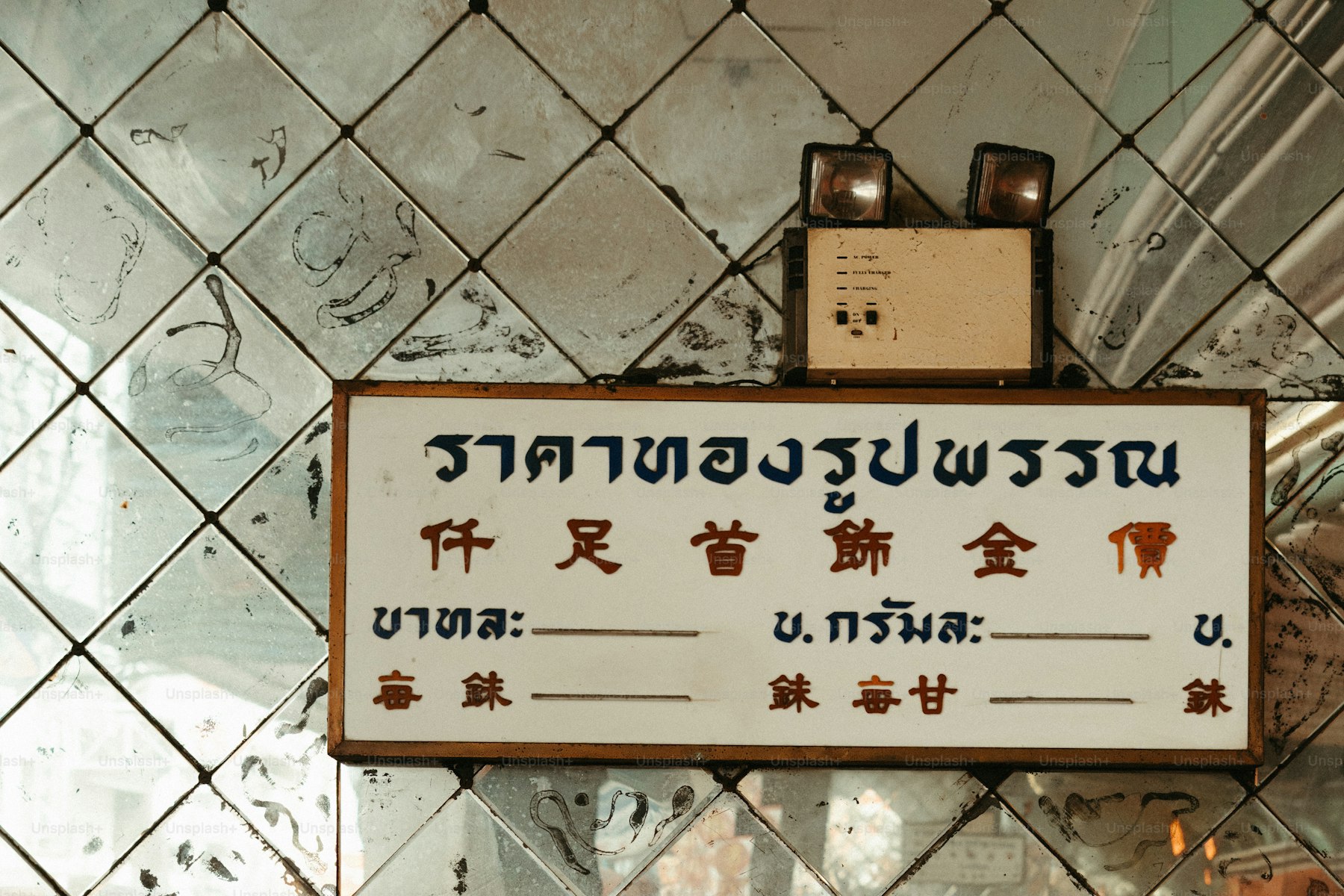
Tao rai. The single most useful market and taxi phrase.
Delicious
Aroi. Says everything a cook wants to hear, and they will love that you tried.
Not spicy
Mai phet. Useful, though Thai mild can still have a kick. Nit noi means a little.
Where’s the bathroom?
Hong nam yu nai. Hong nam is bathroom, yu nai means where.
No worries
Mai pen rai. Half phrase, half philosophy: never mind, it’s all fine.
Tips that Make It Click
More First-Timer Guides
Written by Belle, a Thai American who travels to Thailand every other year and has family in Bangkok. Everything here comes from my own visits unless the text says otherwise. Prices and journey times are typical cases rather than quotes, so recheck anything time-sensitive before you pay. Brand mentions are never paid placements, and the guide is reader-supported: some links may earn a commission, at no extra cost to you.
How we research →