Northeastern Thailand (Isaan)
Isaan, the vast northeast: Angkor-era temples, sleepy Mekong towns, the heartland of Thai food and music, and the country’s most genuinely off-the-beaten-path region.
On My List
I will be honest: I have not spent real time in Isaan yet, and it is high on my own to-visit list, so treat this as a starting map, not a been-there guide. What I do know is that the northeast is Thailand’s biggest and least foreign-touristed region, the heartland of its food and music, and its most exciting frontier for slow, off-the-beaten-path travel.
Getting Oriented
Distances are big, so most travelers fly into one hub and explore a province or two rather than the whole region.
Off the map
Isaan sees a fraction of the foreign visitors of the north or the islands. English is patchier, and that is exactly the appeal.
Food & music
Som tam, larb and gai yang were born here, and mor lam music is its soundtrack. This is where much of Thai pop culture comes from.
Take your time
The northeast is huge and spread out. It rewards a slow trip to one or two provinces over a whirlwind loop.
What Isaan Is Known For
A first read on what draws people to the northeast, and what has me wanting to go.
Isaan does not just eat and sing differently, it speaks differently. The Isaan language is closer to Lao than to central Thai, a distinct dialect (sometimes called Lao Isan) with its own tones, vocabulary and a warm, teasing cadence. You will hear “bô” for no in place of central Thai’s “mai”, and Lao-style greetings like “sabai dee”. Central Thai is taught in schools and understood everywhere, so you will get by fine, but a few Isaan words go a long way. English is patchier here than in Bangkok or the beach resorts, common enough at hotels, in Korat and at the big sites, but sparse in rural areas and along the Mekong, so a translation app and a few Thai phrases help.
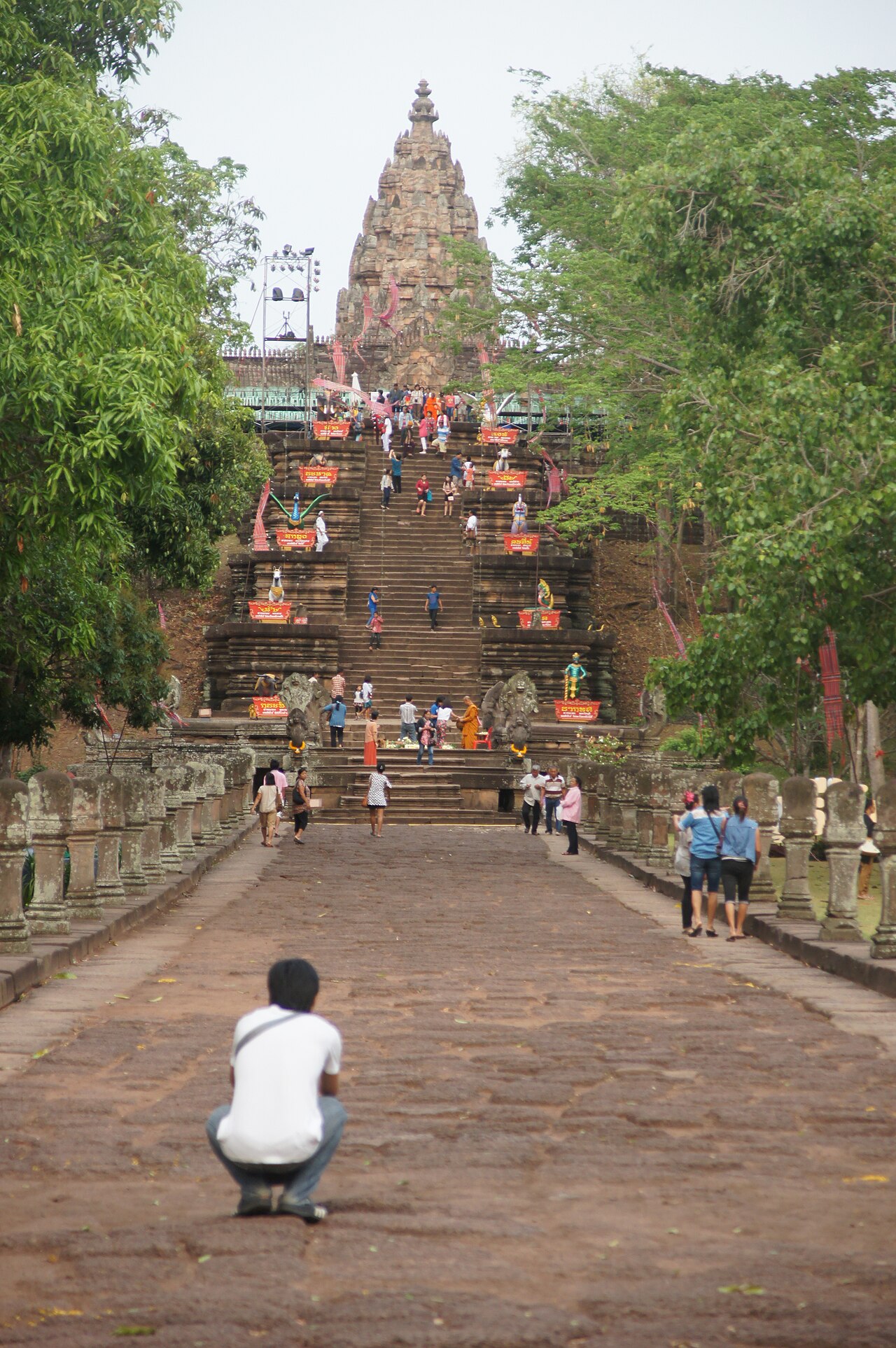
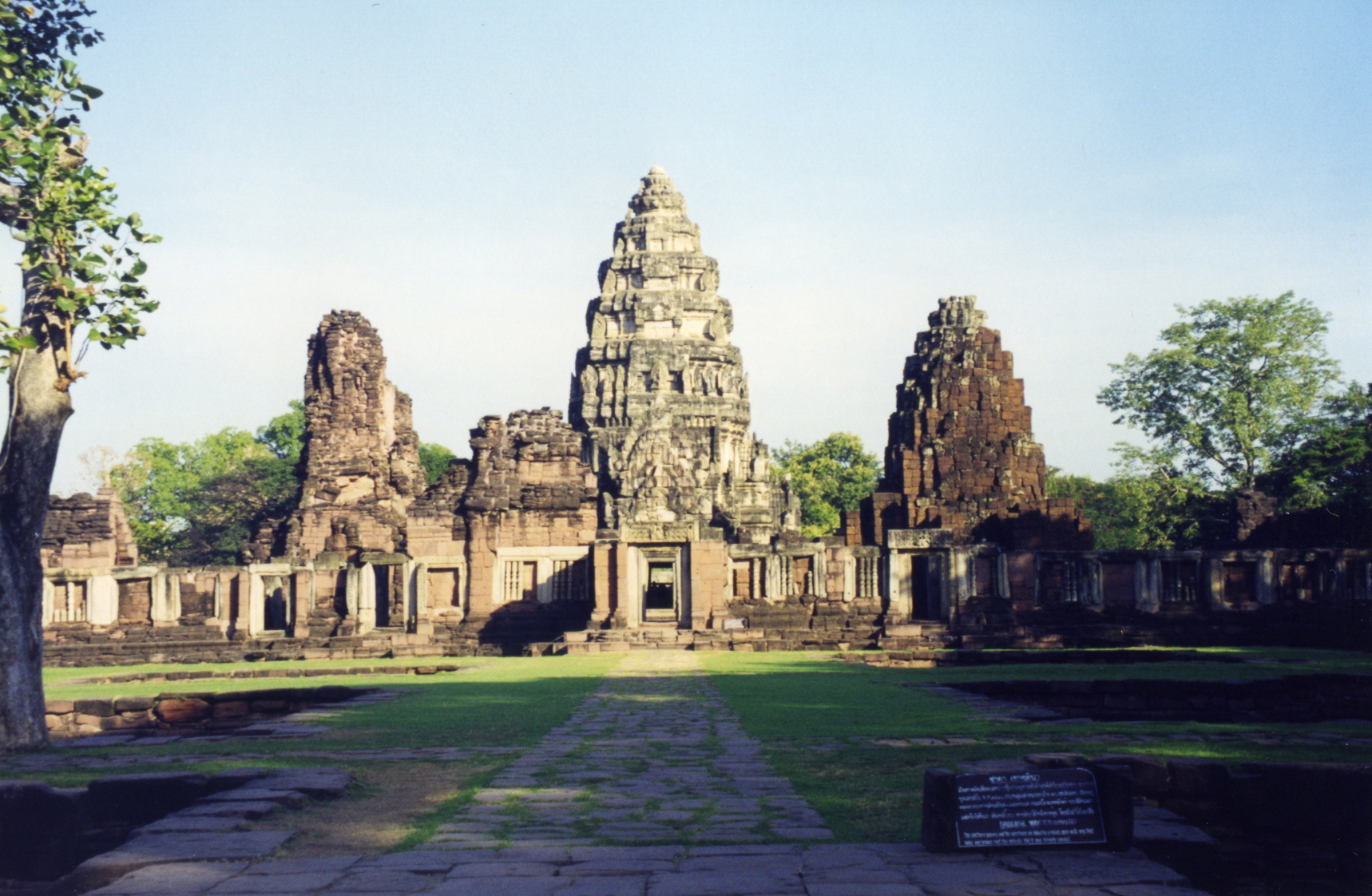
Khmer temples
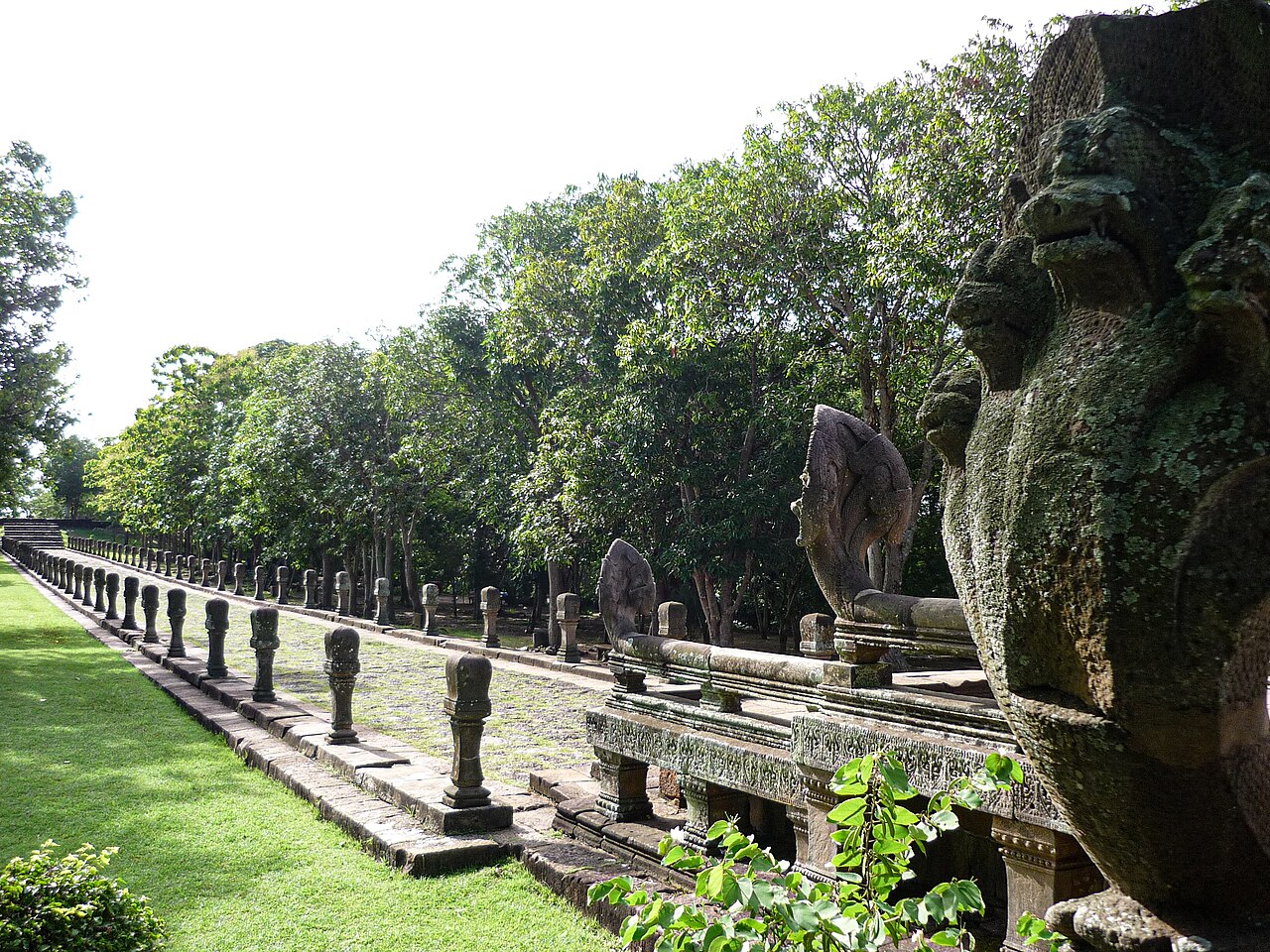
Phanom Rung and Phimai, sandstone sanctuaries from the Angkor empire, sit on the old road toward Cambodia.
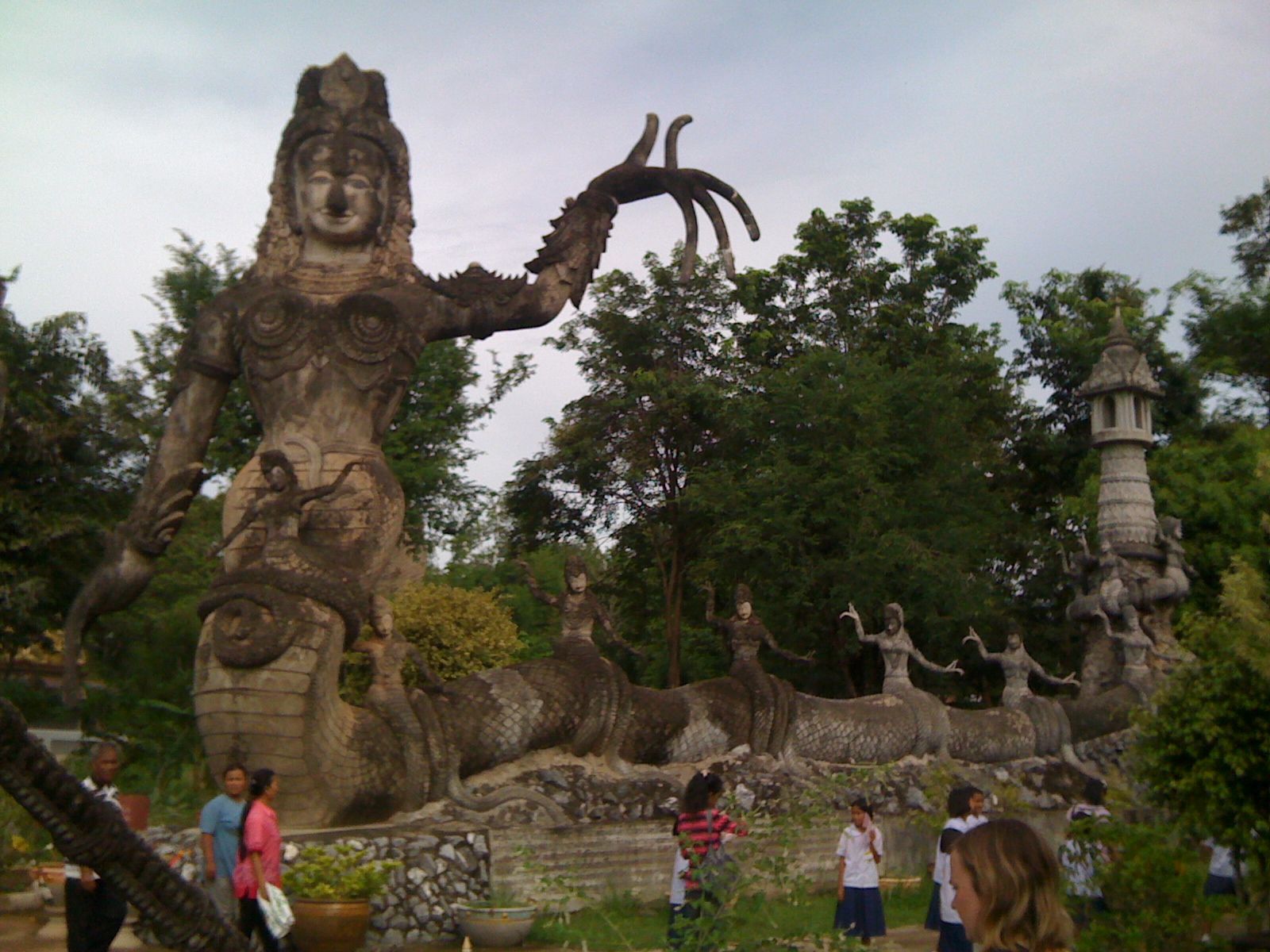
The Mekong
Sleepy river towns like Nong Khai and Nakhon Phanom, sunsets over the water, and the strange Naga fireballs.
Isaan food
Som tam, larb, grilled gai yang and sticky rice: the spiciest and most-loved food in Thailand, all born here.
Festivals & mor lam
The Ubon Candle Festival, the Yasothon rocket festival, and the twang of mor lam music everywhere.
Ban Chiang & rock art
A UNESCO Bronze Age site near Udon Thani, plus 3,000-year-old cliff paintings above the Mekong at Pha Taem.
Wild landscapes
Rock formations, canyons and quiet national parks, from Sam Phan Bok to the Phu Ruea highlands. Source: Tourism Authority of Thailand
Standout Sights
The seven pins on the map, spelled out and numbered by rough popularity, and split by whether they pair easily with a Khao Yai trip or sit deeper in the northeast.
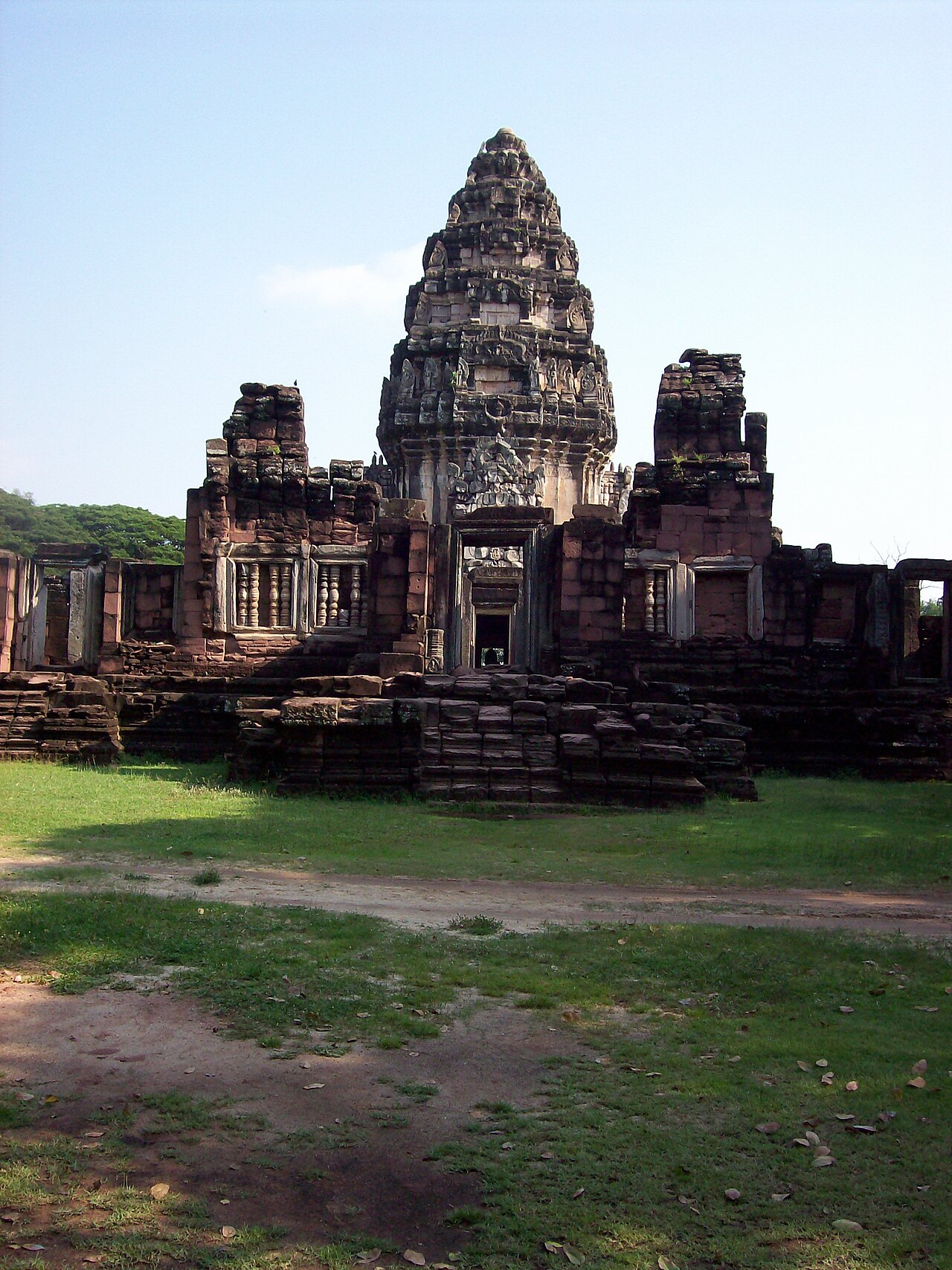
These three sit in the same corner as Khao Yai, so they bolt on neatly. Korat and Phimai are an easy day trip from a Khao Yai base; Phanom Rung is far enough east to want a night in Korat or Buriram. The deeper Isaan sights below are their own, separate trip.
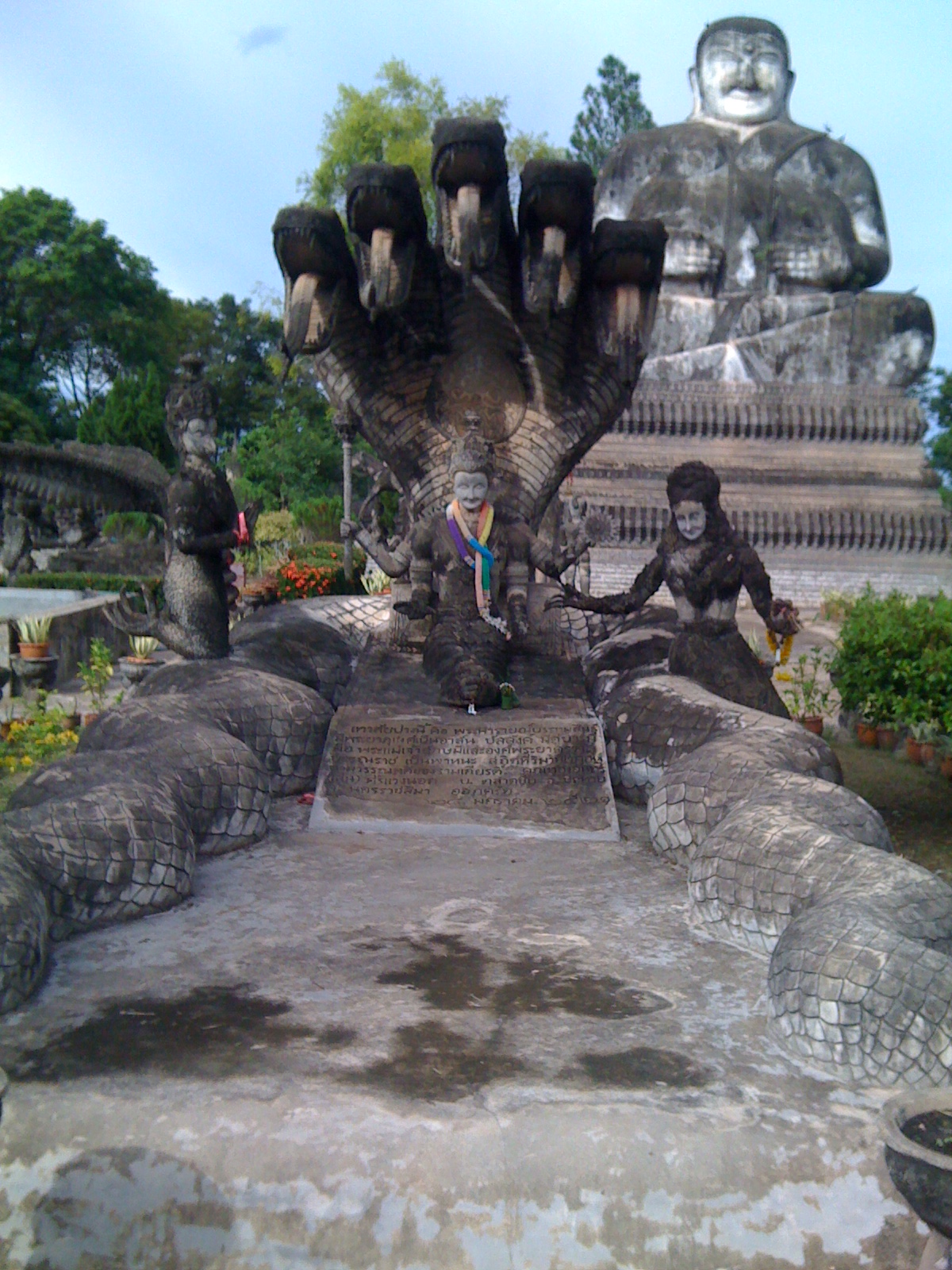
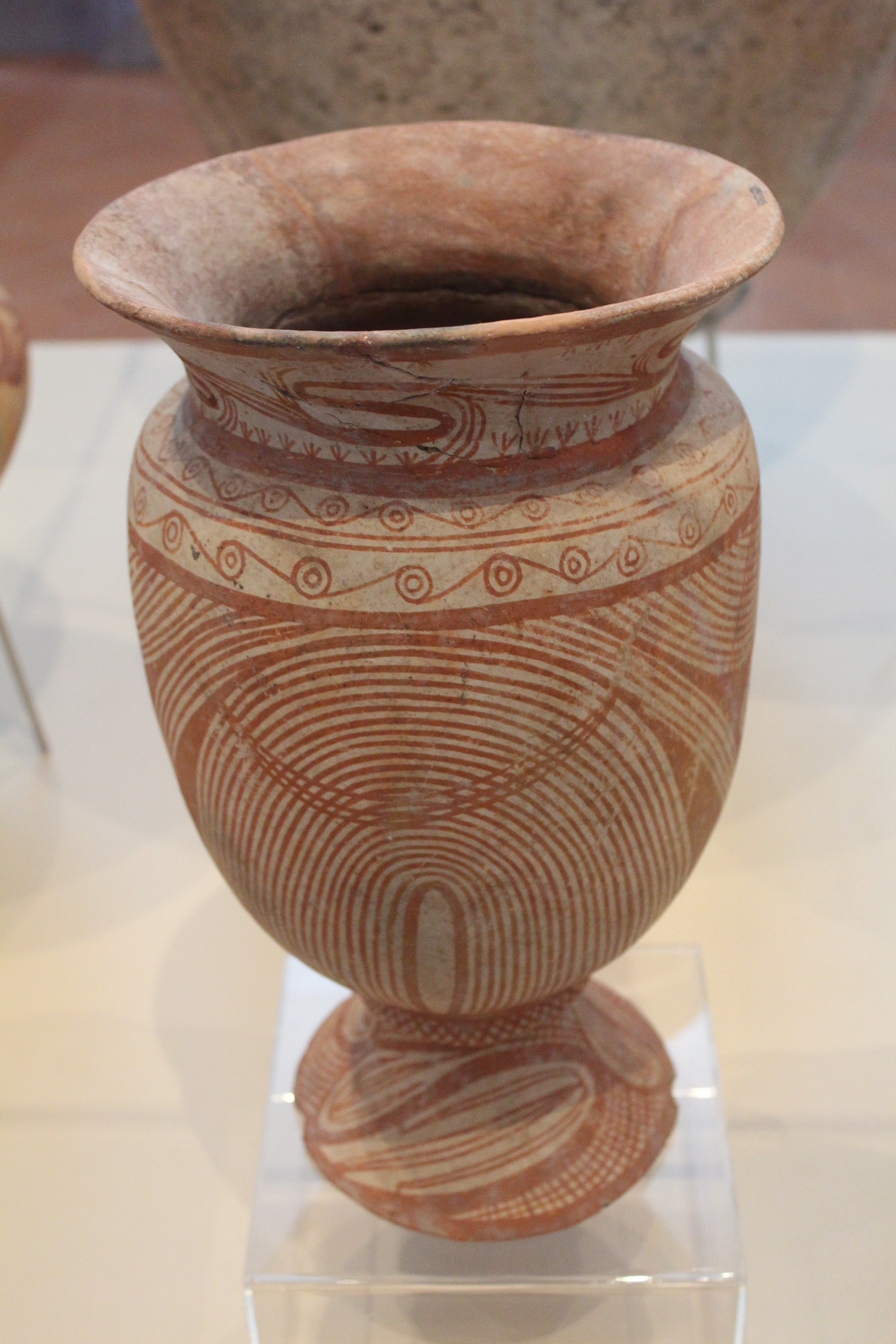
Everyone I trust says the same thing about Isaan: go before it gets easy.
A Sample Route
I have not run this myself yet, but it is the route I would try first: an easy Khmer-temple start near Korat, then out to the Mekong. Isaan is huge, so treat each choice as a fork, not a checklist.
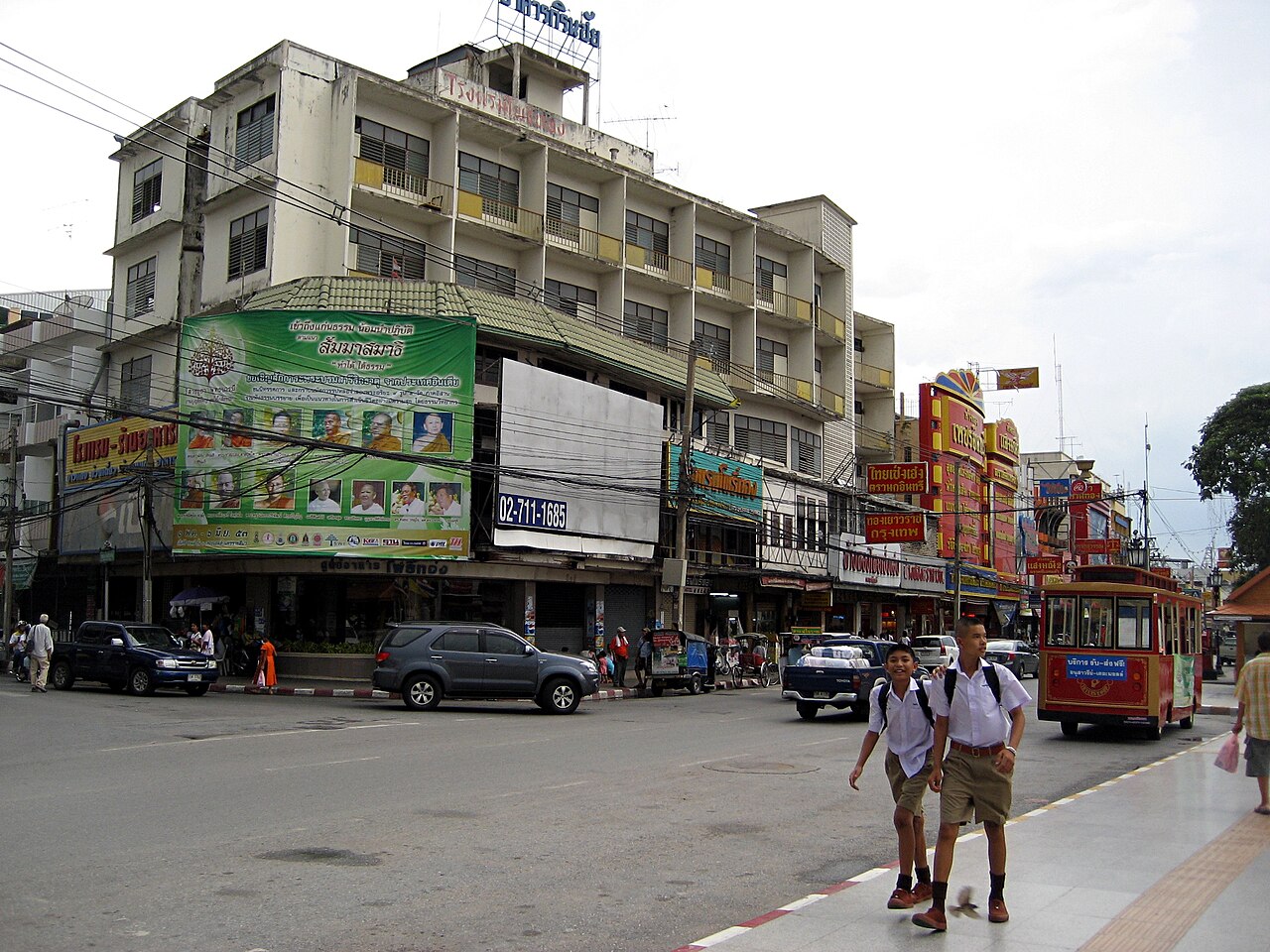
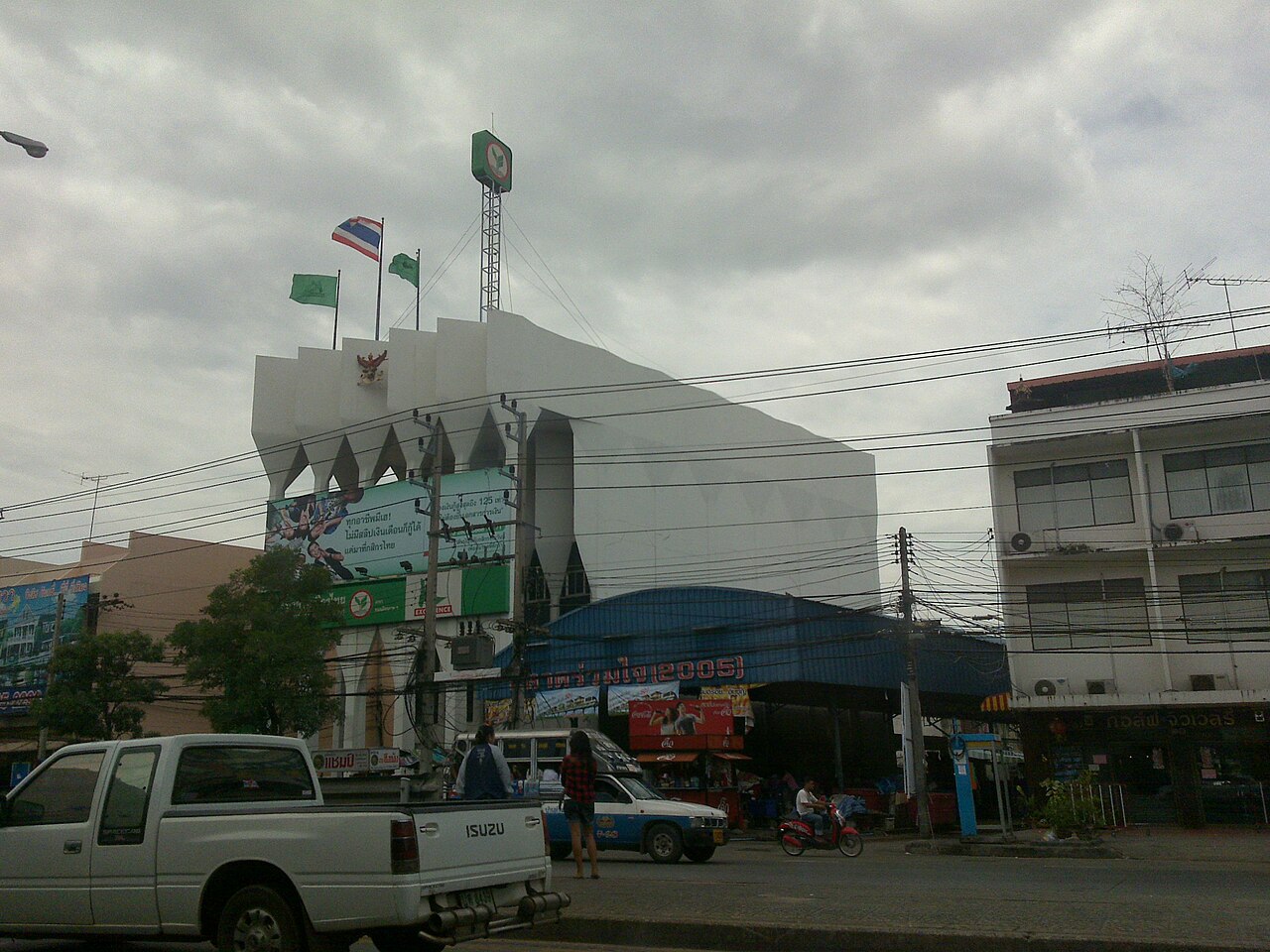
Nakhon Ratchasima (Korat)
Fly or take the train into Isaan’s gateway, get your bearings and eat at the night bazaar, then pick up a car for the temples.
A Khmer sanctuary
Both are Angkor-era stone on the old road to Cambodia. Pick one, or see both if you have the time.
Out to the Mekong
The fork between an easy river town and the wild, little-visited far northeast.
Sam Phan Bok & Ubon
Finish southeast in Ubon Ratchathani: the Mekong’s “grand canyon” of rock pockets and the Pha Taem cliff paintings, then fly home from Ubon.
Official & Useful Sources
I am still learning this region myself, so lean on the official sources for the details, and note the border-safety alert for the far northeastern temples.
More First-Timer Guides
Written by Belle, a Thai American who travels to Thailand every other year and has family in Bangkok. Everything here comes from my own visits unless the text says otherwise. Prices and journey times are typical cases rather than quotes, so recheck anything time-sensitive before you pay. Brand mentions are never paid placements, and the guide is reader-supported: some links may earn a commission, at no extra cost to you.
How we research →Photographs on this page that are not mine are used under the licenses below and hosted on this site rather than hotlinked. Uncredited photographs are my own.
- Wide shot: the sandstone causeway at Phanom Rung against open skyMichael Gunther, CC BY-SA 4.0, via Wikimedia Commons. View source
- Korat night bazaarKhaosaming, CC BY-SA 3.0, via Wikimedia Commons. View source
- Prasat PhimaiArian Zwegers from Brussels, Belgium, CC BY 2.0, via Wikimedia Commons. View source
- Phanom RungZ3144228, CC BY-SA 4.0, via Wikimedia Commons. View source
- Nong Khai riverfrontMatthew Summerton, CC BY-SA 3.0, via Wikimedia Commons. View source
- Sam Phan BokCharin ninsu, CC BY 3.0, via Wikimedia Commons. View source
- Korat city / night bazaarEdogawa, CC BY-SA 3.0, via Wikimedia Commons. View source
- Phanom Rung Khmer templePhilip Nalangan, CC BY-SA 4.0, via Wikimedia Commons. View source
- Prasat Phimai Khmer templePhilip Nalangan, CC BY 4.0, via Wikimedia Commons. View source
- Nong Khai Mekong riverfrontMatthew Summerton, CC BY-SA 3.0, via Wikimedia Commons. View source
- Ban Chiang painted potteryKiwiodysee, CC BY-SA 3.0, via Wikimedia Commons. View source