Sai Yok & Upper Kanchanaburi
The River Kwai and Erawan Falls are the classic day out, but the valley beyond rewards an overnight: quieter waterfalls, caves, hot springs, and raft houses on the river.

Worth an Overnight
Kanchanaburi is doable in a day, but the best of it sits well past the town, and the drive back eats your afternoon. A night or two turns a rushed loop into a proper escape.
Distance from Bangkok
Doable as a long day, but that is a lot of driving for a few hours on the ground. A night in town or a river raft house makes it a proper trip.
Room to roam
Erawan and Huay Mae Khamin sit on opposite sides of the reservoir. Give each a morning instead of cramming one in before the drive home.
Go deeper
Sai Yok and Lam Khlong Ngu are well up the valley. Staying nearby puts them within an easy morning rather than a half-day round trip.
Stay over
The valley is best after dark: a raft house on the Kwai, still water, and dinner drifting over the river.
Up the River Valley
A relaxed two-day loop that mixes war history, one big waterfall, a cave, and a hot-spring soak, so you get a little of everything without racing around. Swap the order to taste, and take whichever option suits you.
Erawan and Huay Mae Khamin are both seven-tier limestone falls on opposite sides of the reservoir, so seeing both back-to-back means a lot of driving to look at fairly similar scenery. The plan below has you pick just one, then spend the time you save on a cave and a hot-spring soak, so you get a bit of everything instead.
Kanchanaburi Town
The River Kwai Bridge and the war cemetery, then ride a stretch of the Death Railway itself. Get your bearings and drop your bags.
Hellfire Pass
Walk the railway cutting carved by POWs, with an excellent memorial museum. Sobering, and worth it.
Hindad Hot Spring
Natural thermal pools right beside a cool forest stream, so you can go hot then cold. The perfect reset after the Hellfire Pass walk.
One big waterfall
Both are seven-tier limestone falls, so pick the one that suits your day and do it justice, rather than rushing both.
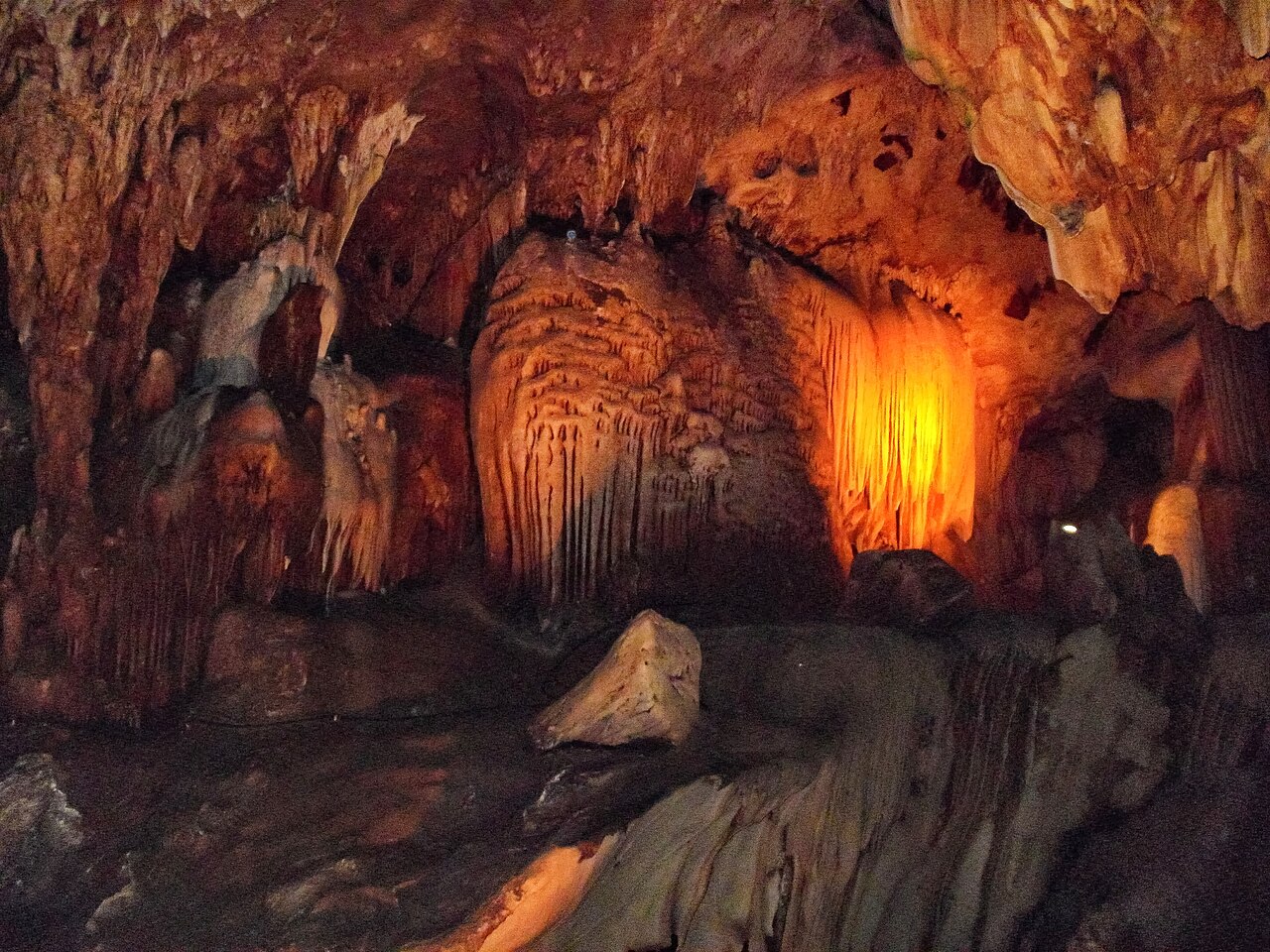
Duck into a cave
Swap a second waterfall for something underground. Both sit close to the river road.
Ethical Elephant Sanctuary
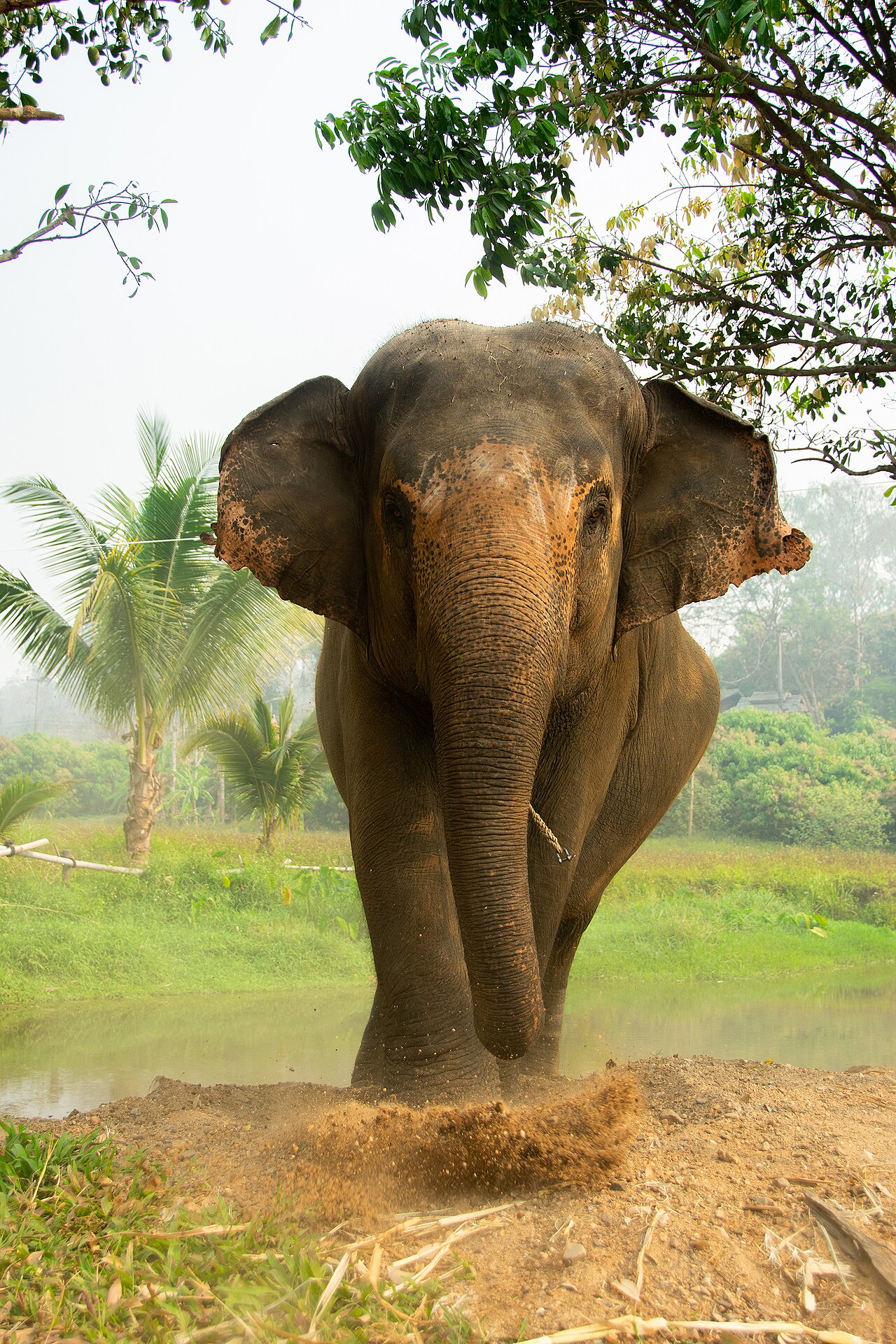
Spend a half-day at an observation-only sanctuary along the river: no riding and no shows, just feeding and watching rescued elephants roam. Book ahead, and read how to choose a real one.
Sai Yok National Park
Waterfalls that spill straight into the river, plus longtail boat rides, kayaking, or a bike along the back roads, and lunch on a floating raft before the drive home.
Evenings in Kanchanaburi
Once the day-trippers head back to Bangkok, the town slows down. Two easy ways to spend the evening:
Night markets
The riverside night market near the train station runs most evenings for cheap, quick eats. On weekends the Song Kwae Road walking street adds stalls, souvenirs and live music by the river.
Dinner on the river
Book a floating raft house and eat drifting on the Kwai: still water, lanterns overhead, and dinner carried out over the river. The valley’s best evening.
Getting from A to B
Public transport reaches the town and Erawan, but linking the falls, caves, hot spring and Hellfire Pass in one trip is slow without your own wheels. Three ways to do it:
Rental car
Most flexible, and often cheapest over two days. Roads are decent and signposted, though you need to be comfortable driving in Thailand. Rent in Kanchanaburi town or Bangkok.
Car for the day
Hire a car with a driver by the day. No driving stress, easy for a group, and you keep full control of the route and the optional stops.
One or two days
Transport, a guide and a set itinerary in one booking. Best for context at the war sites, and easiest if you would rather not plan, but usually a fixed route.
Our pick: a private car and driver for the day, or self-drive if you are confident, keeps your options open and the pace yours. Add a guide at Hellfire Pass and the Death Railway for the history. A full guided tour is easiest if you would rather not plan or drive, but you trade away the flexibility to swap stops.
The Wild Side of Sai Yok
Sai Yok National Park covers roughly 500 sq km (190 sq mi) of forest, limestone caves, and river. Beyond the waterfalls it shelters some genuinely rare wildlife, from the world’s smallest bat in the Lawa Cave country to gibbons calling from the canopy. Here is what shares the forest, from the rare and elusive to the ones you will probably meet.
Kitti’s hog-nosed bat, among the smallest mammals on earth. Roosts in the park’s limestone caves and lives in very few places worldwide.
Move · if you spot one: Do not enter roosting caves or disturb them. They are protected and easily harmed, so admire from well back.
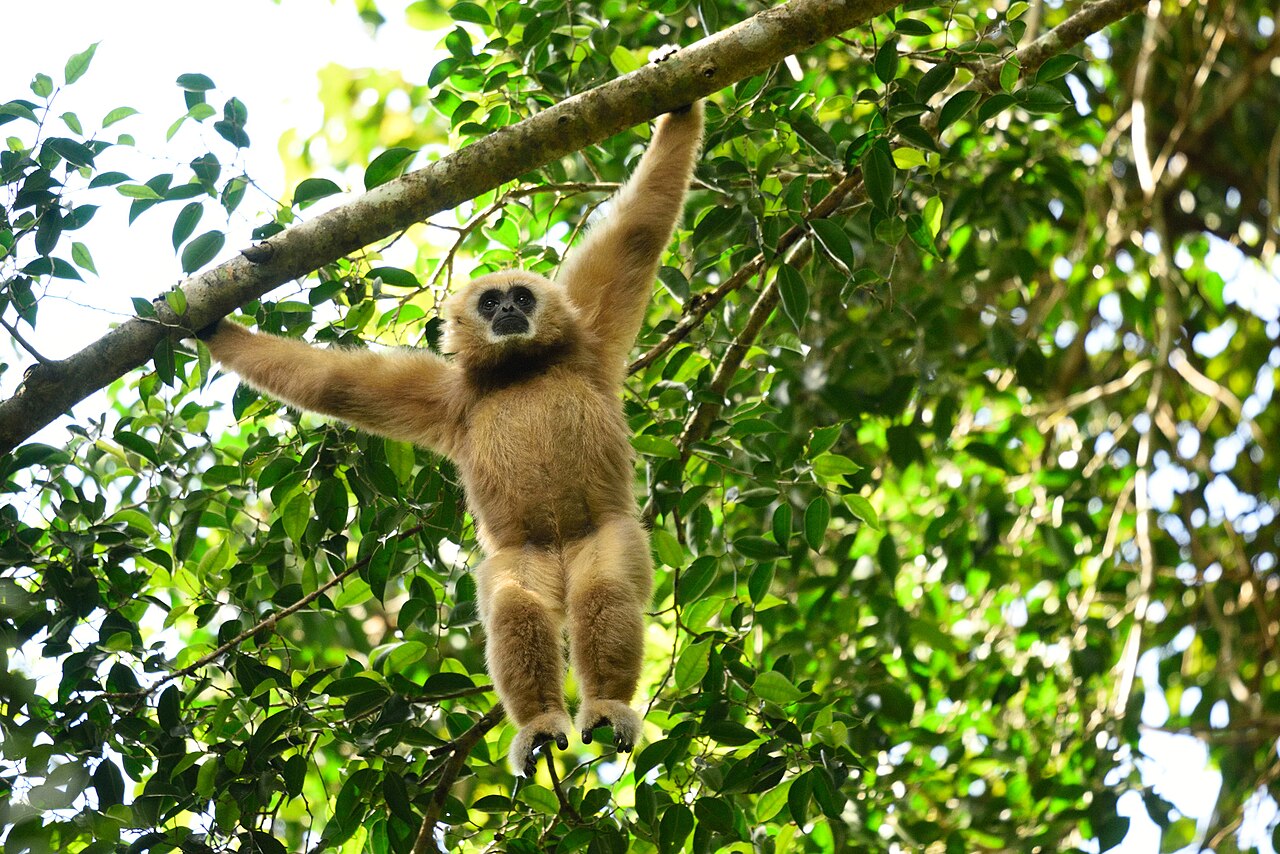
Swings through the treetops and is often heard before it is seen. Wild pigs, deer, serow and porcupine share the forest, and wild elephants still range here.
Move · if you spot one: Keep your distance and never feed them. Listen for the dawn calls and scan the high canopy.
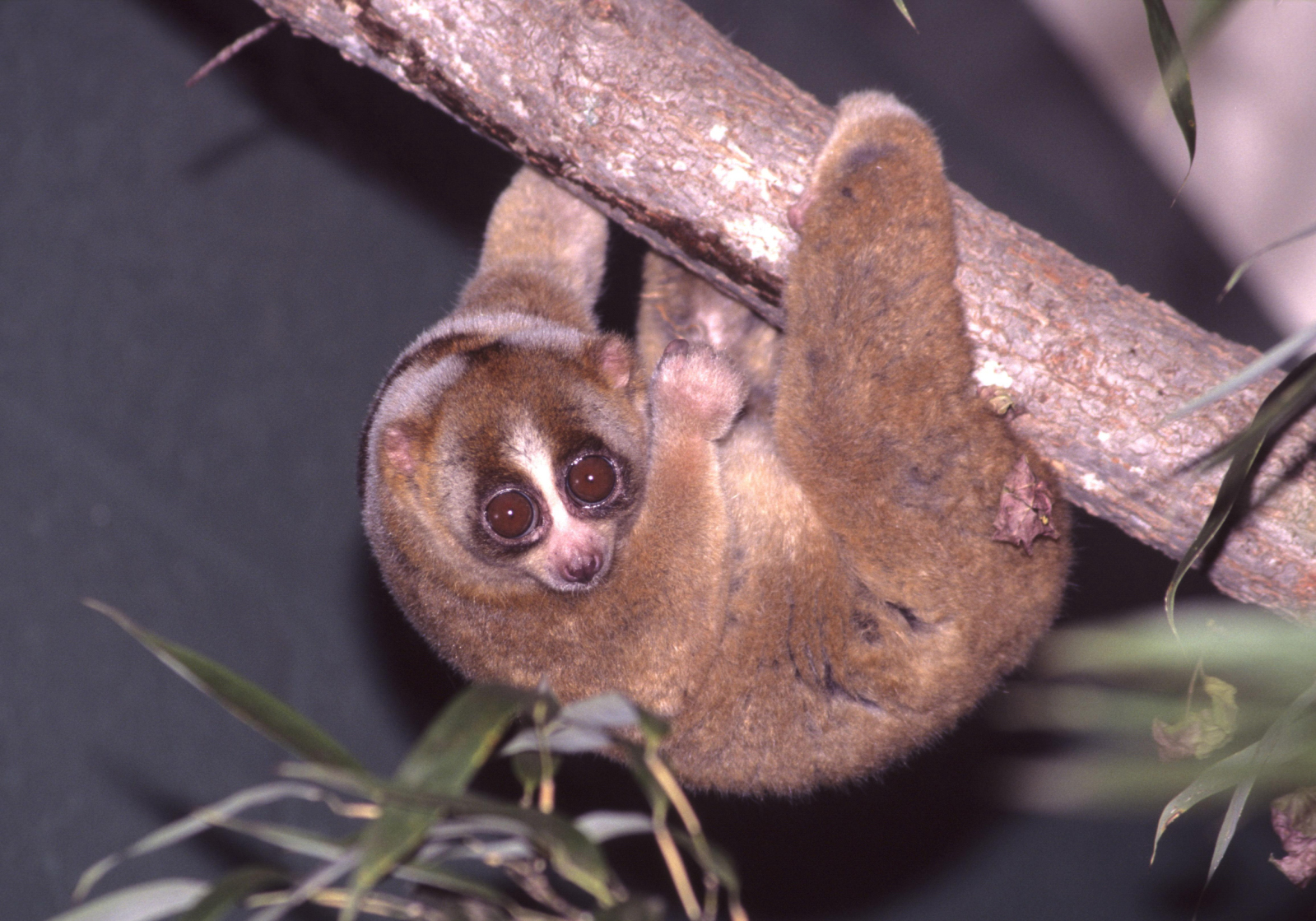
A slow, wide-eyed nocturnal primate and one of the park’s more fragile residents. Protected: never handle or feed one you happen to see.
Move · if you spot one: Never handle, feed, or use flash. It is protected, so report any offered for photos or for sale.
The regal, or queen, crab was first described here in 1983 and lives near Mae Nam Noi village. Keep looking up too: the canopy is full of birdlife.
Move · if you spot one: Look, do not collect. It lives in very few streams and does not survive being moved.
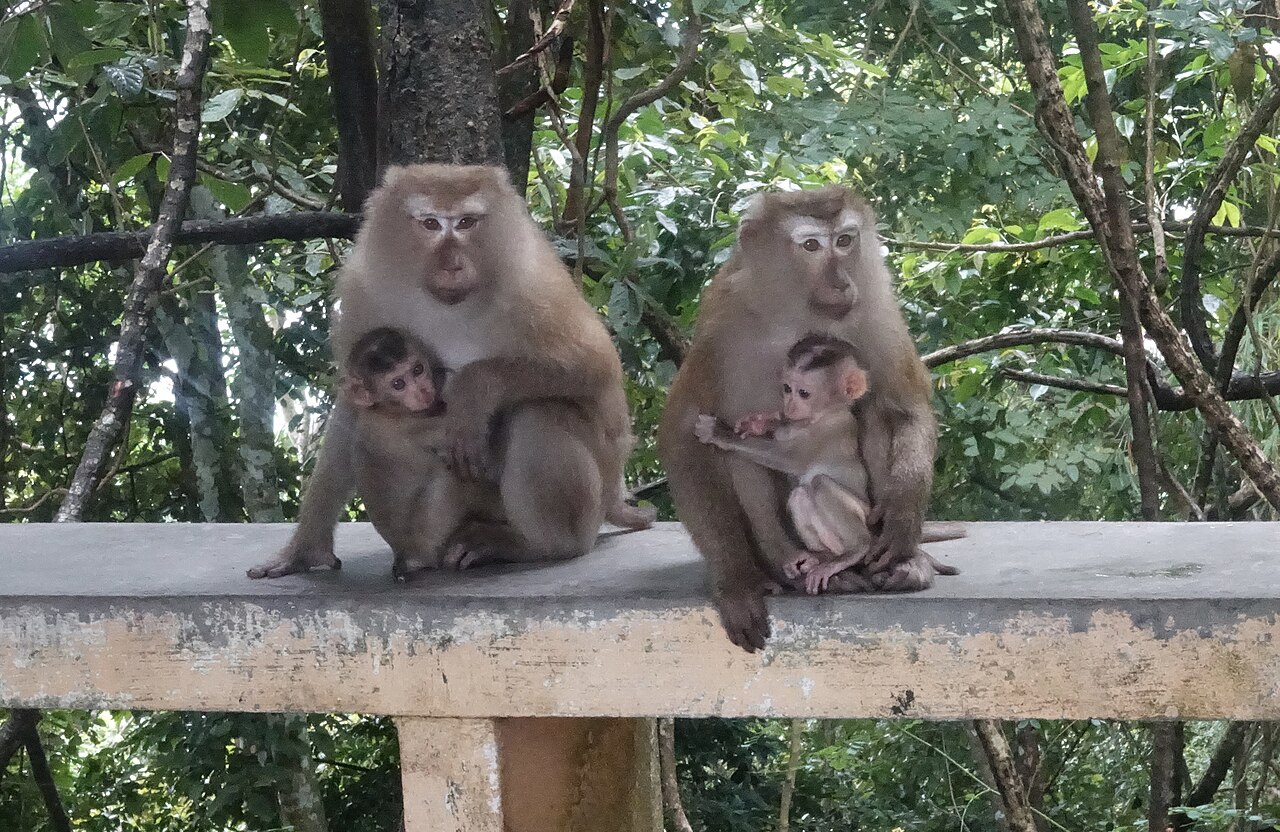
Bold, social monkeys around parking lots, temples and picnic spots. Do not feed them, and keep snacks and shiny things zipped away.
Move · if you spot one: Give it space, keep food and shiny things out of sight, and never feed it. They snatch, and can nip.
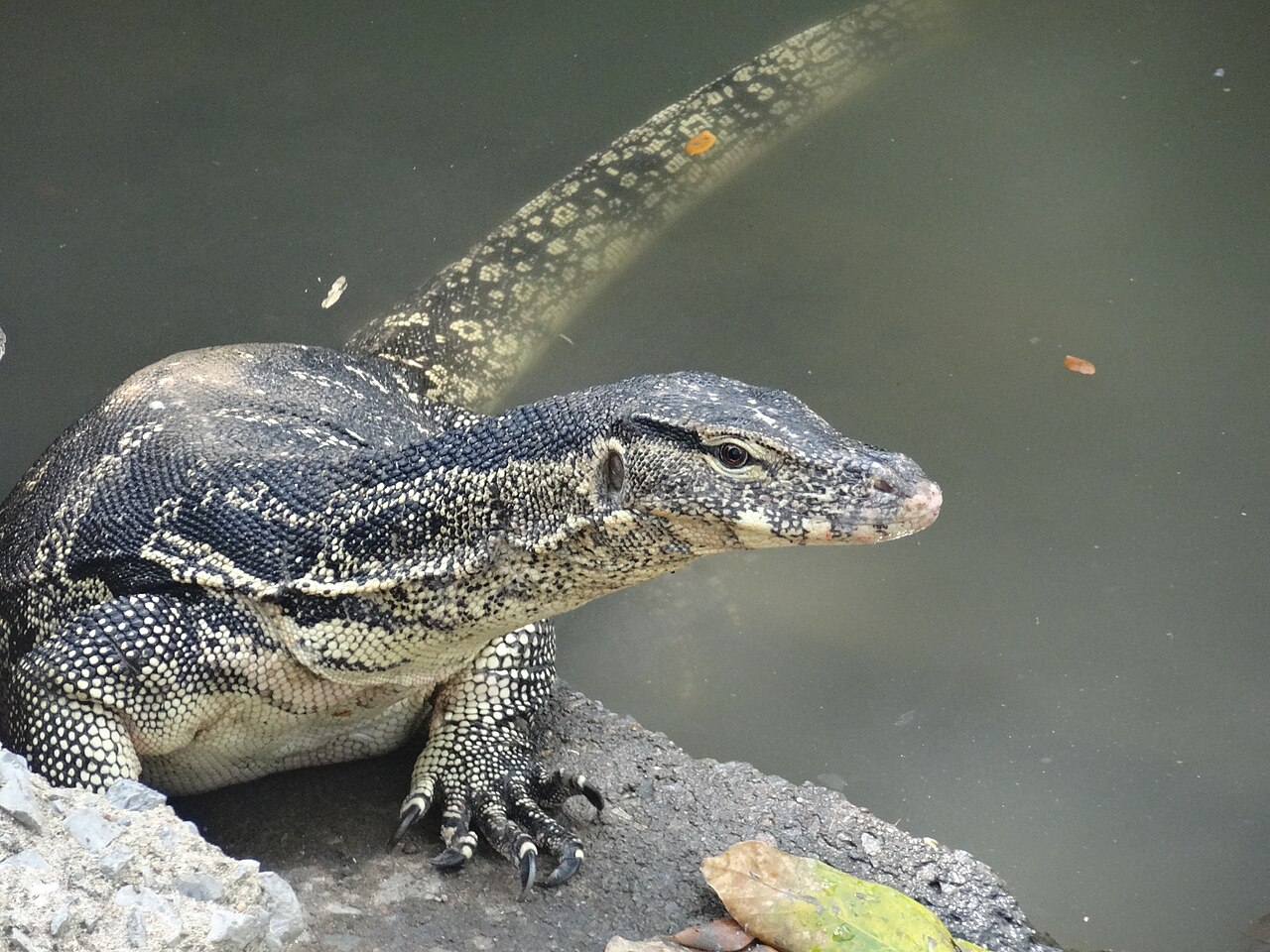
A large, harmless lizard that basks on riverbanks and swims well. Shy: it will slip into the water long before you get close.
Move · if you spot one: Watch from a distance and let it be. It is harmless and will slide into the water if you approach.
Kingfishers flash low along the river; hornbills call from the tall trees. Bring binoculars and scan the canopy, especially at first light.
Move · if you spot one: Go quiet, scan the canopy, and bring binoculars. First light is best for both.
Wildlife notes drawn from The FloatHouse River Kwai.
Upper Kanchanaburi is the part people mean when they say they wish they had stayed another night.
Off the Beaten Path
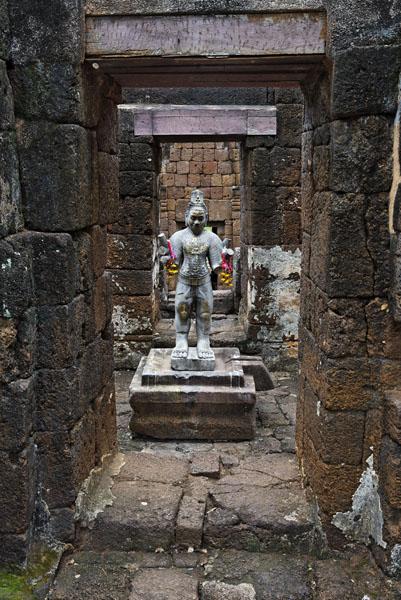
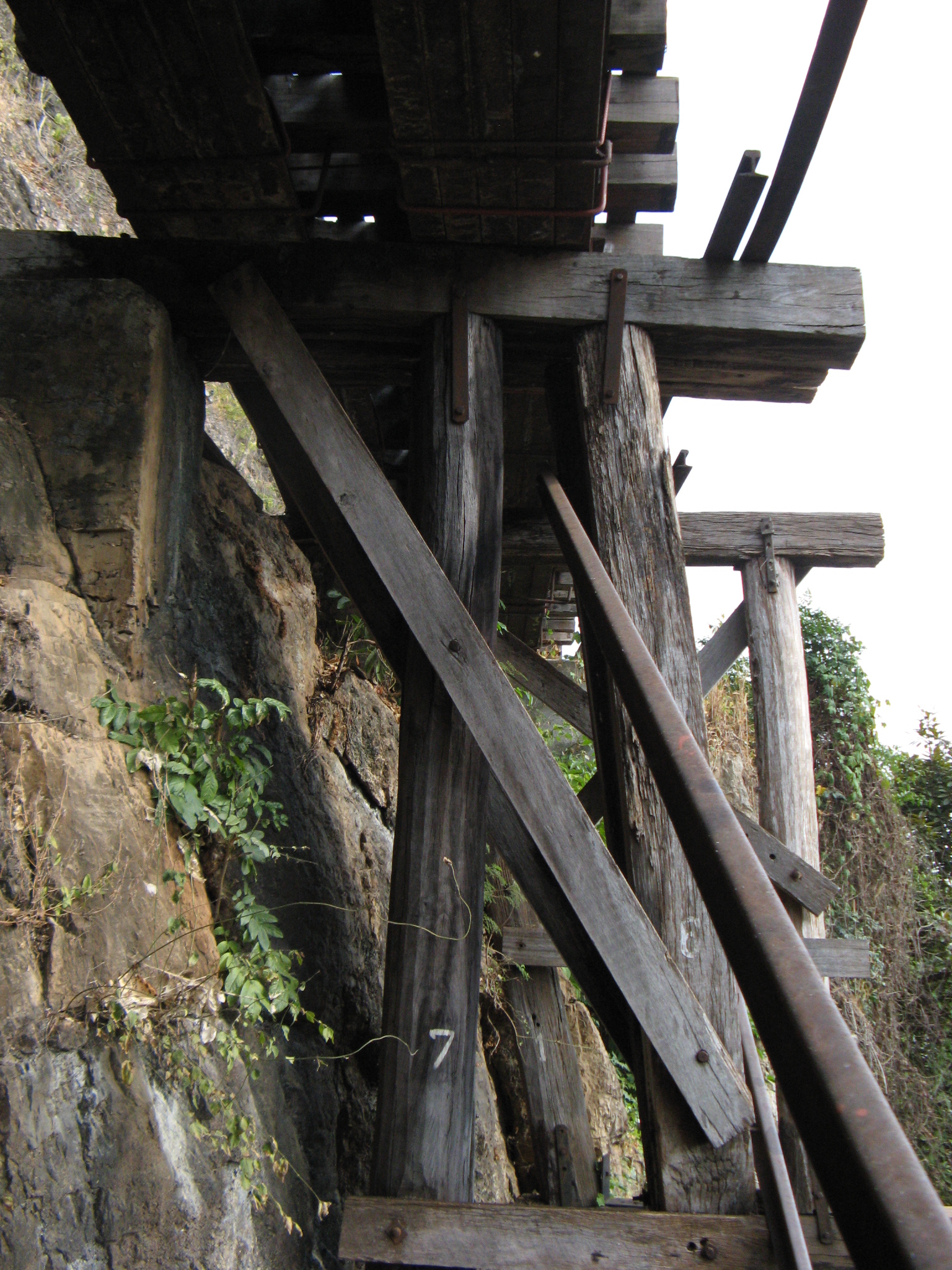
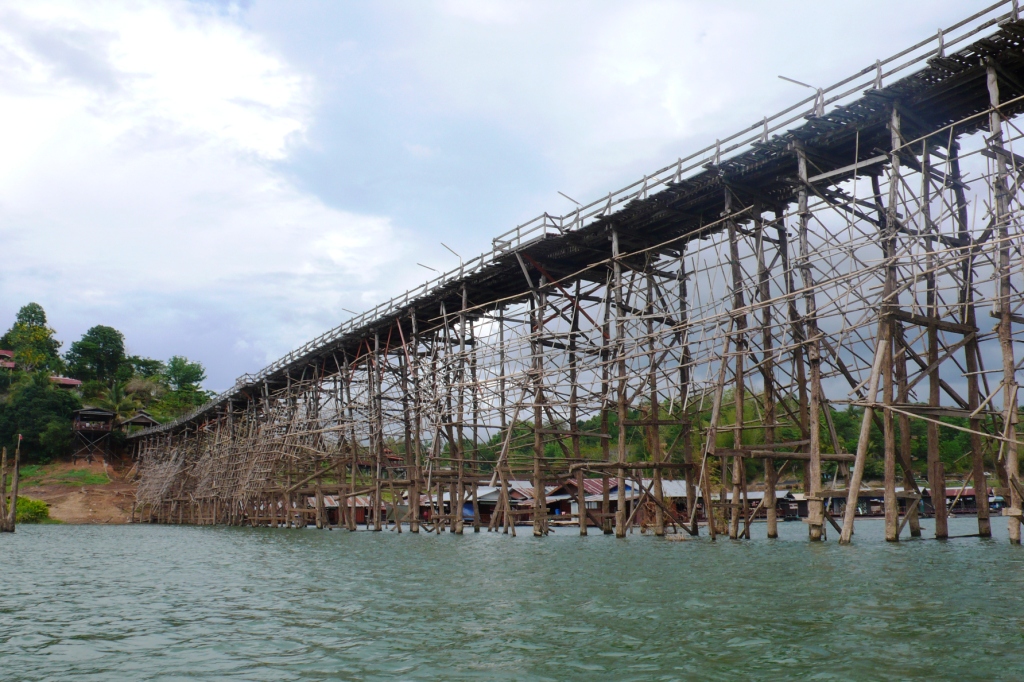
The valley rewards wandering. If you have a spare few hours, these smaller, lesser-known spots make a great side quest off the main route. The map shows how far each strays from Kanchanaburi town, so you can pick a side quest that actually fits your day.
Official & Useful Sources
Hours, fees, and access change. Before you go, check the official government and non-profit sites that actually run these places.
More First-Timer Guides
Written by Belle, a Thai American who travels to Thailand every other year and has family in Bangkok. Everything here comes from my own visits unless the text says otherwise. Prices and journey times are typical cases rather than quotes, so recheck anything time-sensitive before you pay. Brand mentions are never paid placements, and the guide is reader-supported: some links may earn a commission, at no extra cost to you.
How we research →Photographs on this page that are not mine are used under the licenses below and hosted on this site rather than hotlinked. Uncredited photographs are my own.
- Lawa CaveKriengsak Jirasirirojanakorn, CC BY-SA 4.0, via Wikimedia Commons. View source
- Ethical elephant sanctuaryJames B Cutchin, CC BY 4.0, via Wikimedia Commons. View source
- Prasat Muang Sing ruinsDdalbiez, CC BY-SA 3.0, via Wikimedia Commons. View source
- Tham Krasae trestlekhanawoot, CC BY 3.0, via Wikimedia Commons. View source
- Mon Bridge SangkhlaburiUser: (WT-shared) Cakra at wts wikivoyage, Public domain, via Wikimedia Commons. View source
- White-handed gibbonJJ Harrison ([email protected]), CC BY 3.0, via Wikimedia Commons. View source
- Slow lorisDavid Haring / Duke Lemur Center, CC BY-SA 3.0, via Wikimedia Commons. View source
- Water monitor lizardKriti Sachdeva, CC BY-SA 4.0, via Wikimedia Commons. View source