Khao Yai National Park
Thailand’s oldest and best-loved national park, an easy drive northeast of Bangkok: rainforest waterfalls, dusk wildlife drives, elephants and hornbills, and a valley of vineyards and farm cafes at the gate.
Worth an Overnight
Khao Yai is close enough for a day trip, but the animals are out at dawn and dusk, exactly when a day-tripper is stuck on the road. A night at the gate turns a rushed drive into the wildlife trip it should be.
Distance from Bangkok
Doable as a long day, but you would miss the dawn and dusk wildlife windows. A night in Pak Chong or a park-gate resort makes it a proper trip.
Catch the animals
Elephants, deer and gibbons move at first and last light. Only an overnight puts you in the park at the right hours.
Room to roam
Waterfalls, grasslands, viewpoints and trails are spread across a huge park. Give them two unhurried days.
Linger at the gate
The Asoke Valley wineries, dairy farms and hillside cafes are a whole scene of their own, worth a slow afternoon.
Two Days in the Park
A relaxed two-day loop built around the dawn and dusk wildlife windows, with a waterfall, a night safari, a viewpoint or trail, and the vineyards on the way home. Swap the order to taste, and take whichever option suits you.
Khao Yai is huge and the animals keep their own hours, out at dawn and dusk, not midday. Plan around those windows and do not try to tick off every waterfall and viewpoint in one afternoon, or you will spend the trip in the car and miss the point.
Pak Chong Gateway
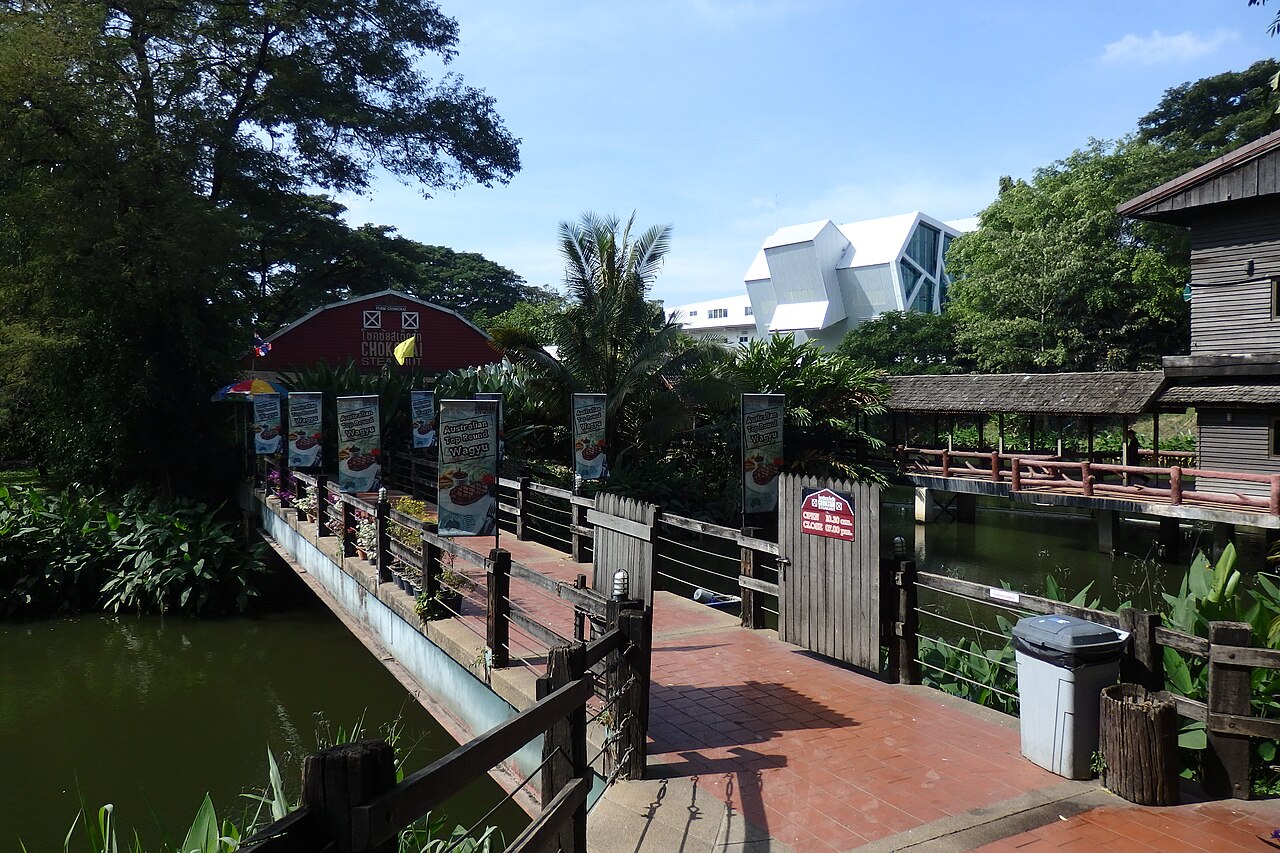
Arrive in the gateway town, grab coffee and supplies, and check into a resort near the park gate. Beat the day-trippers to the entrance.
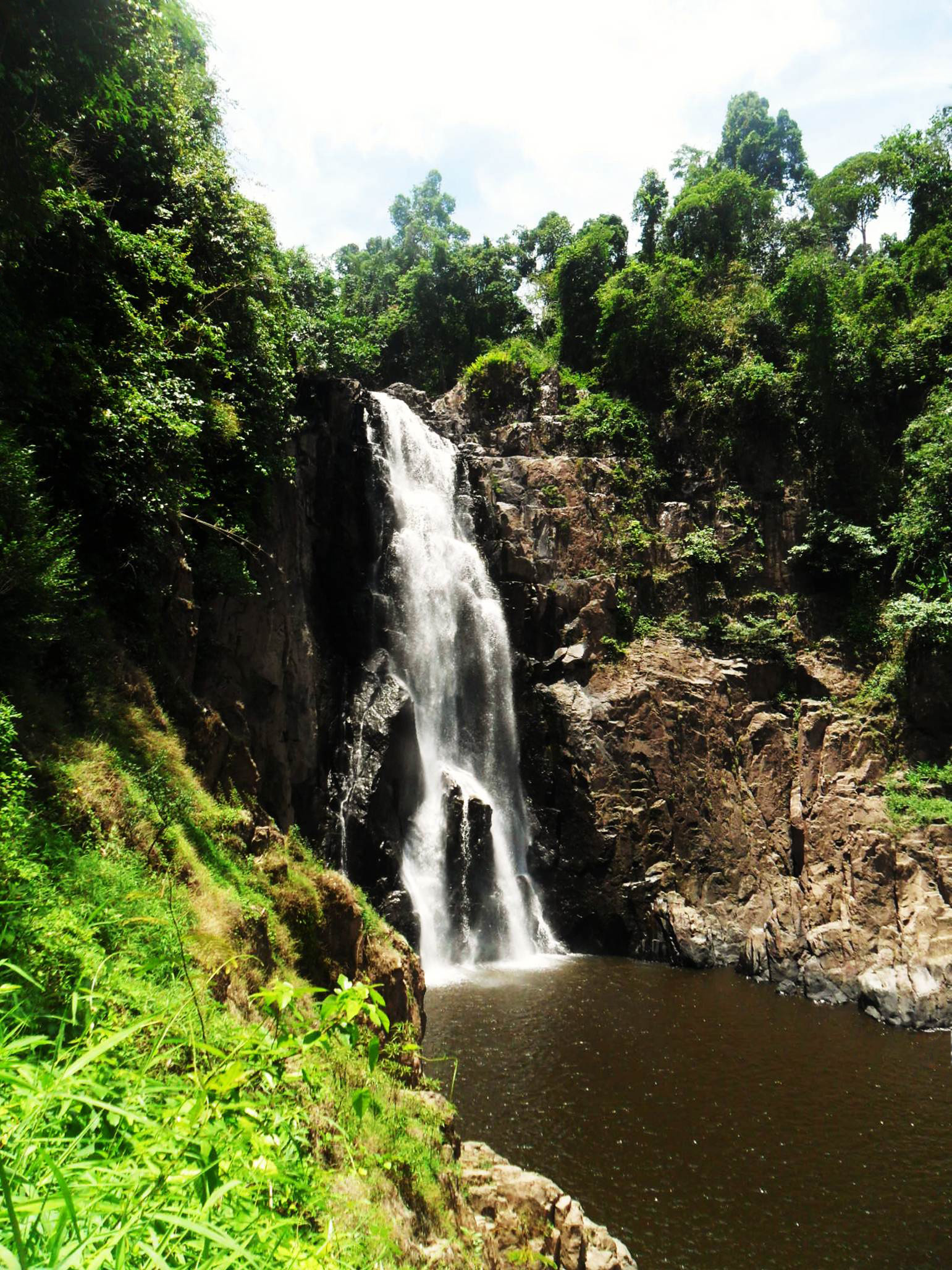
One big waterfall
Both are inside the park, so pick one for the afternoon and save your legs for the evening wildlife drive.
Wildlife Night Safari
As the heat drops, the park comes alive. Join a ranger-guided spotlight drive, or cruise the park roads at dusk for deer, civets, elephants and owls.
A dawn move
Mornings are the park’s best wildlife window. Take the view or the trail, or squeeze in both if you rise early enough.

Vineyards & Farm Cafes
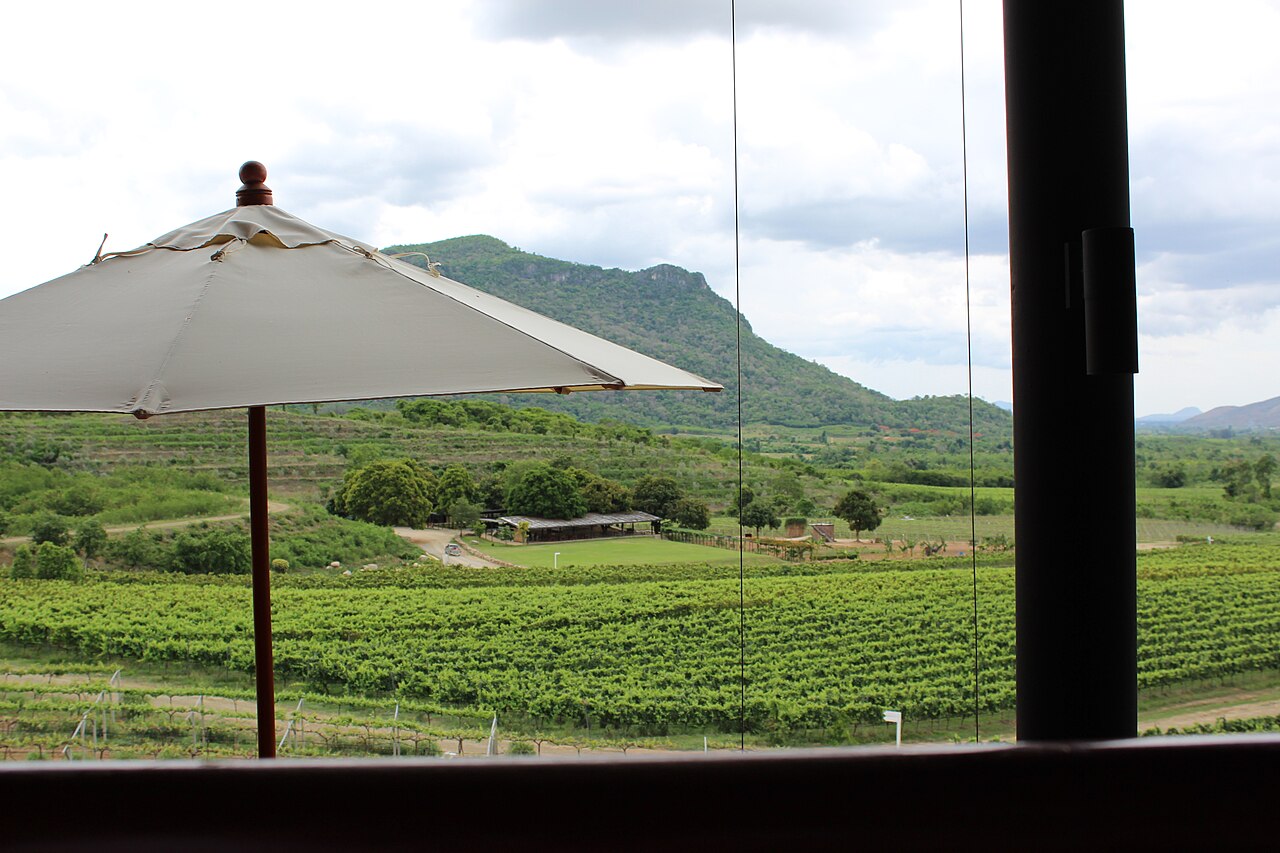
Break the drive home in the Asoke Valley: a tasting at GranMonte or PB Valley, soft-serve at Chokchai Farm, then the road back to Bangkok.
Evenings at the Gate
Once the sun drops, the wildlife wakes up and the town winds down. Two easy ways to spend the evening:
Ranger night safari
Open-back trucks with a spotlight run from the visitor center after dark, turning up deer, civets, porcupines and, with luck, elephants. Book at the center earlier in the day.
Pak Chong night market
Back in town, the night market is the local dinner: grilled meats, noodles, and cheap fruit shakes, a world away from the resort restaurants.
Getting from A to B
The park is big and there is no public transport inside it, so the sights are hard to link without your own wheels. Three ways to do it:
Rental car
The most flexible option, and it lets you cruise the park roads at dusk for wildlife. Rent in Bangkok or Pak Chong; the park has a vehicle entry fee. Source: DNP
Car for the day
A car with a driver from Pak Chong. No driving stress and easy for a group, though a driver may not want to do the late night-safari hours.
Safari package
A guide plus transport and a night safari in one booking. Best for spotting and context, and the easiest way in if you would rather not drive.
Our pick: self-drive if you are comfortable, so you can linger on the park roads at first and last light. Otherwise a guided safari package gets you the wildlife with none of the planning.
The Wild Side of Khao Yai
Khao Yai is Thailand’s oldest national park and part of a UNESCO World Heritage forest, with some of the most accessible wildlife in the country. Here is what shares the forest, from the rare and elusive to the ones you will almost certainly meet.
Yes, when it stays hands-off. A wild safari watches free animals on their own turf, far kinder than any captive show. Choose operators who never bait, chase or blind animals with spotlights, keep your distance (especially from elephants), and never feed. Skip drive-through “safari parks” with captive animals; that is a different thing entirely.
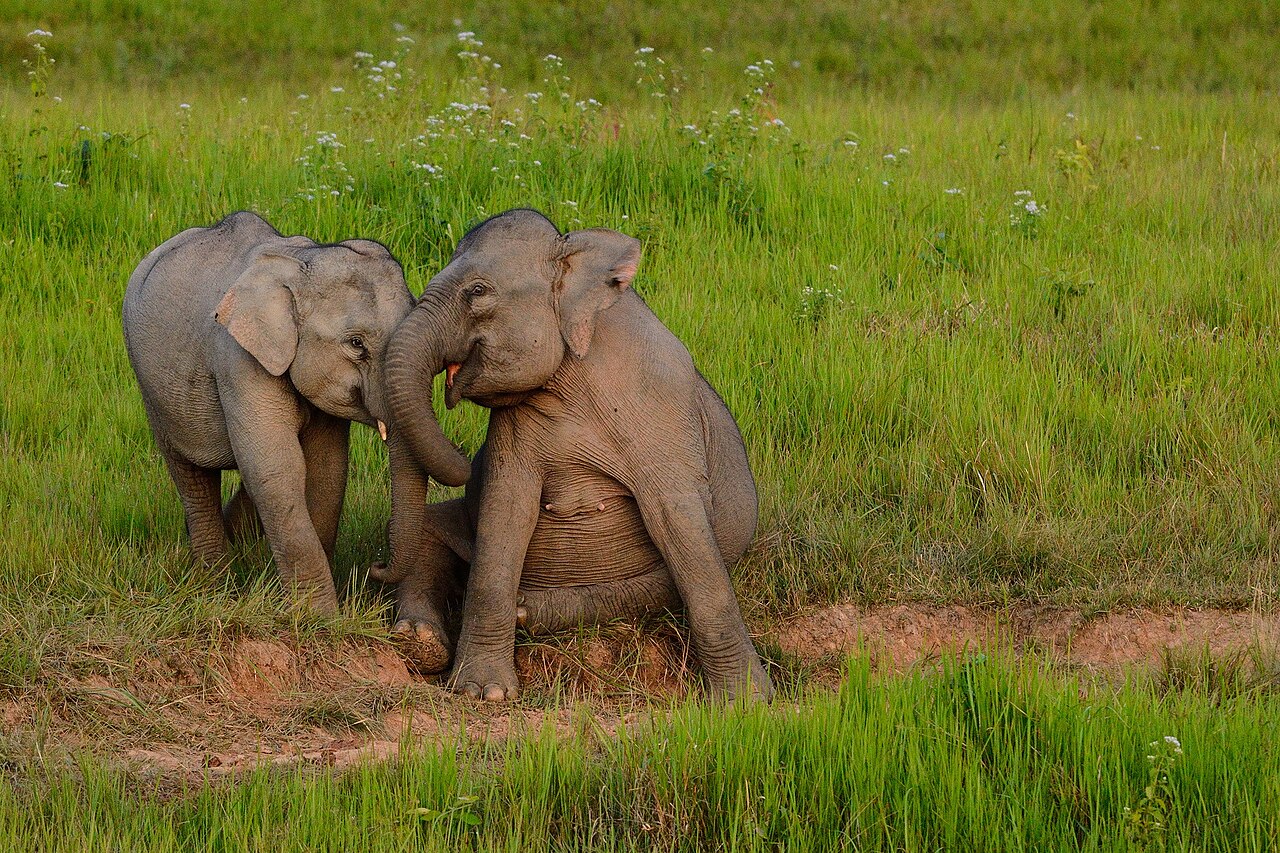
Around 200 to 300 wild elephants roam Khao Yai, and you may meet one on a park road at dusk. The park’s emblem, and its biggest thrill.
Move · if you spot one: Stay in the vehicle, keep 30 m (100 ft) back, engine running. Never drive between a herd; reverse away if one flares its ears or trumpets.
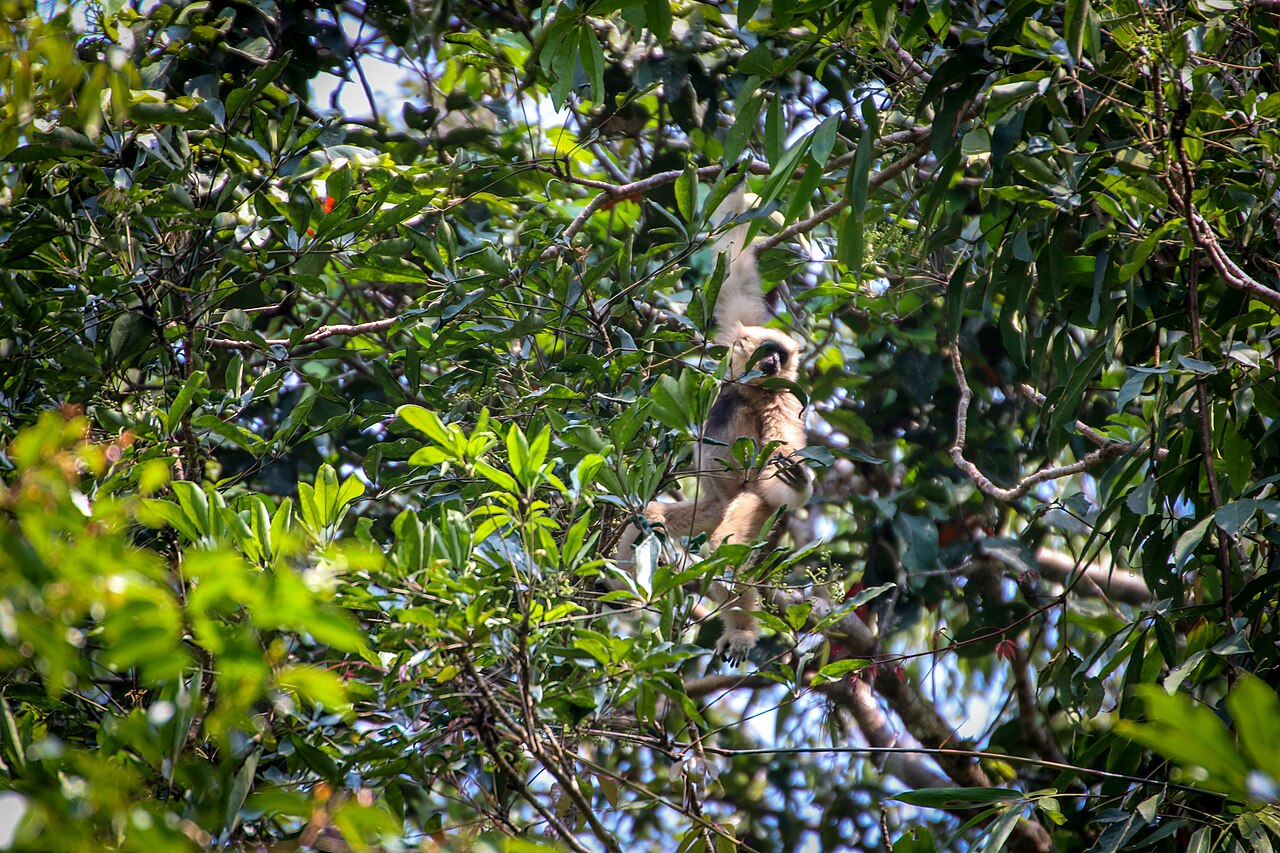
Whooping duets ring across the canopy at first light. Khao Yai has both pileated and white-handed gibbons swinging through the treetops.
Move · if you spot one: Stop and listen, then scan the high branches. Never feed them or lure them down.
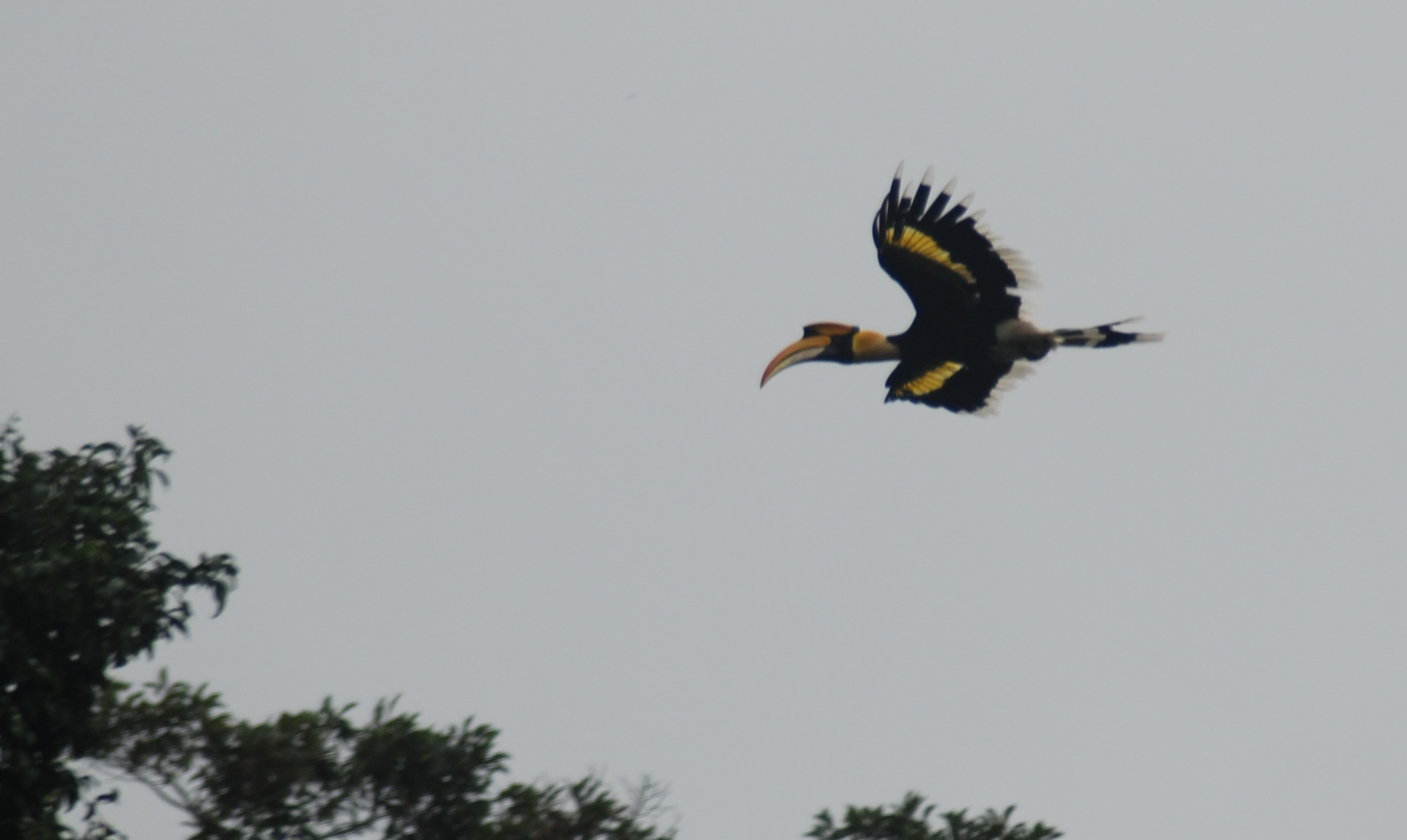
A huge yellow-casqued hornbill whose heavy wingbeats you hear before you see it. Khao Yai is one of the best places in Thailand to spot them.
Move · if you spot one: Look up and enjoy the flypast, and bring binoculars for the canopy.
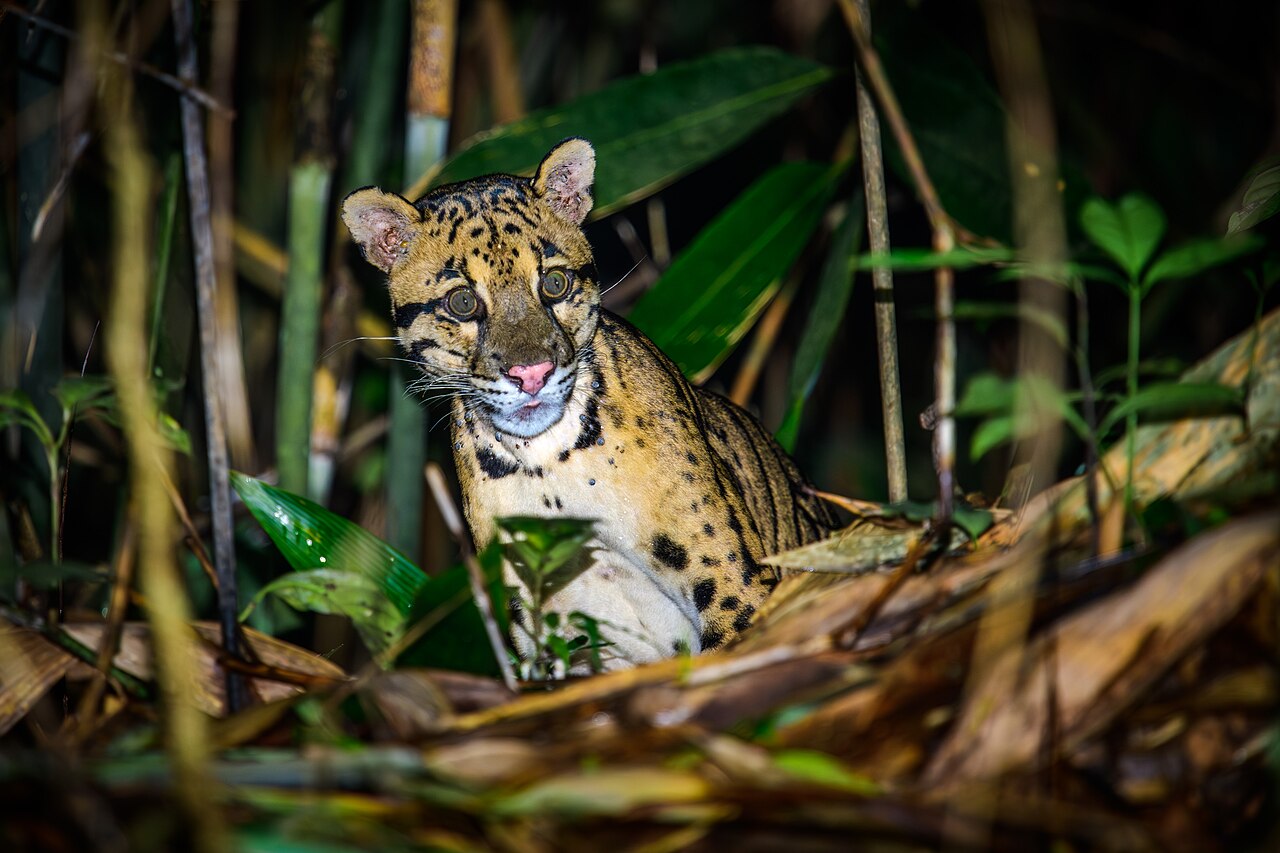
A secretive, cloud-patterned cat that almost no one ever sees. Its presence is a sign of a genuinely healthy forest.
Move · if you spot one: Consider yourself extraordinarily lucky, watch from afar, and never approach or follow it.
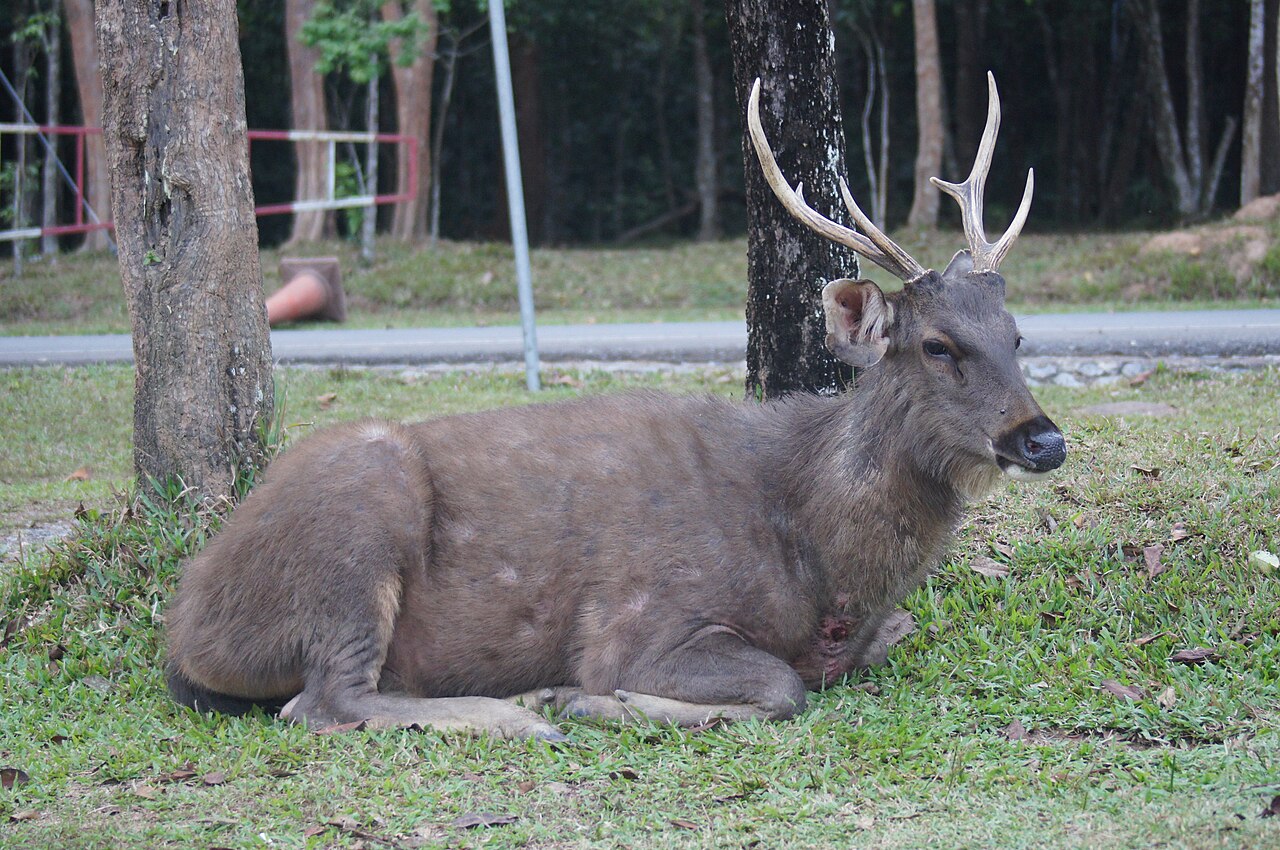
Thailand’s largest deer, often grazing the visitor-center lawns at dusk, barely bothered by people.
Move · if you spot one: Watch quietly and do not feed. They are wild, so keep a few yards back, especially from stags.
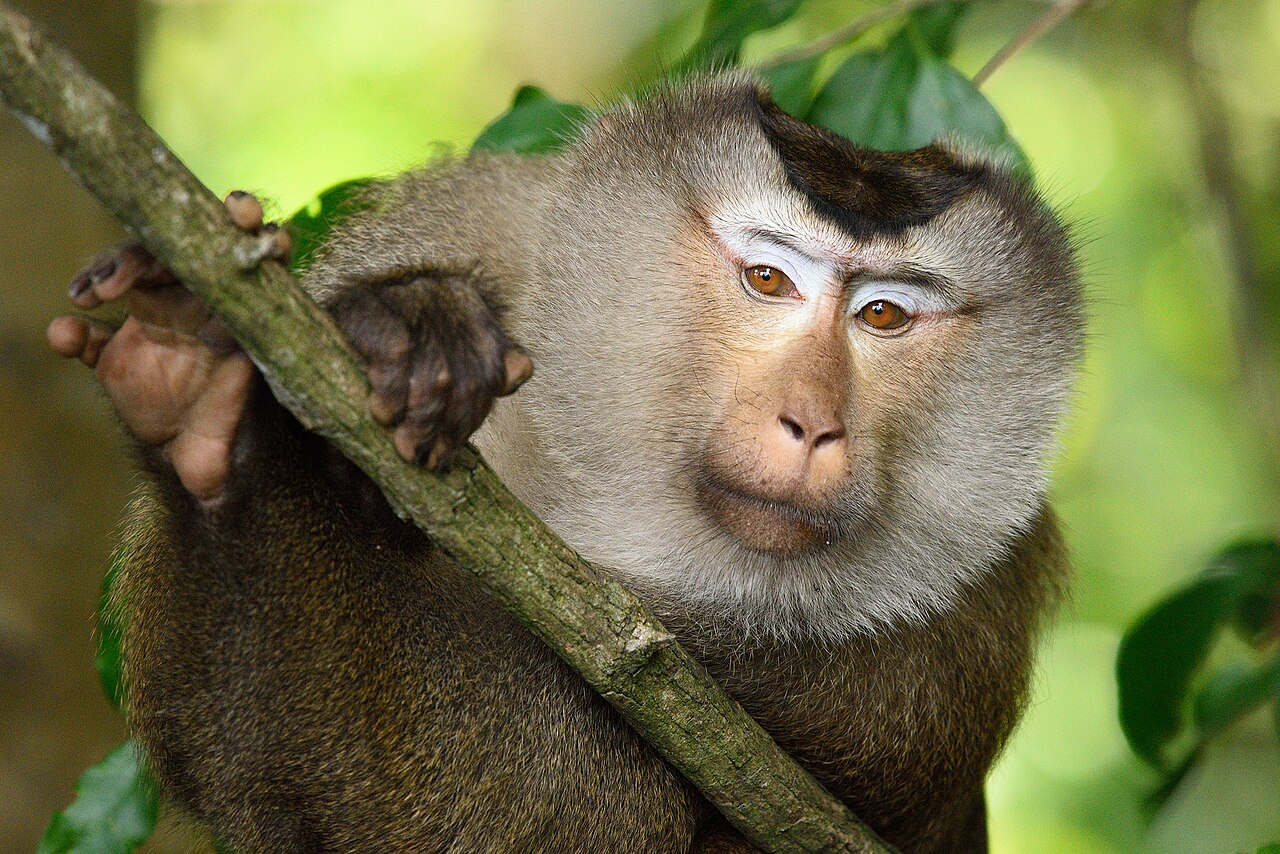
Troops loiter along the park roads and picnic spots, quick to grab an unguarded bag or snack.
Move · if you spot one: Wind up the windows, hide food, avoid eye contact, and never feed them.
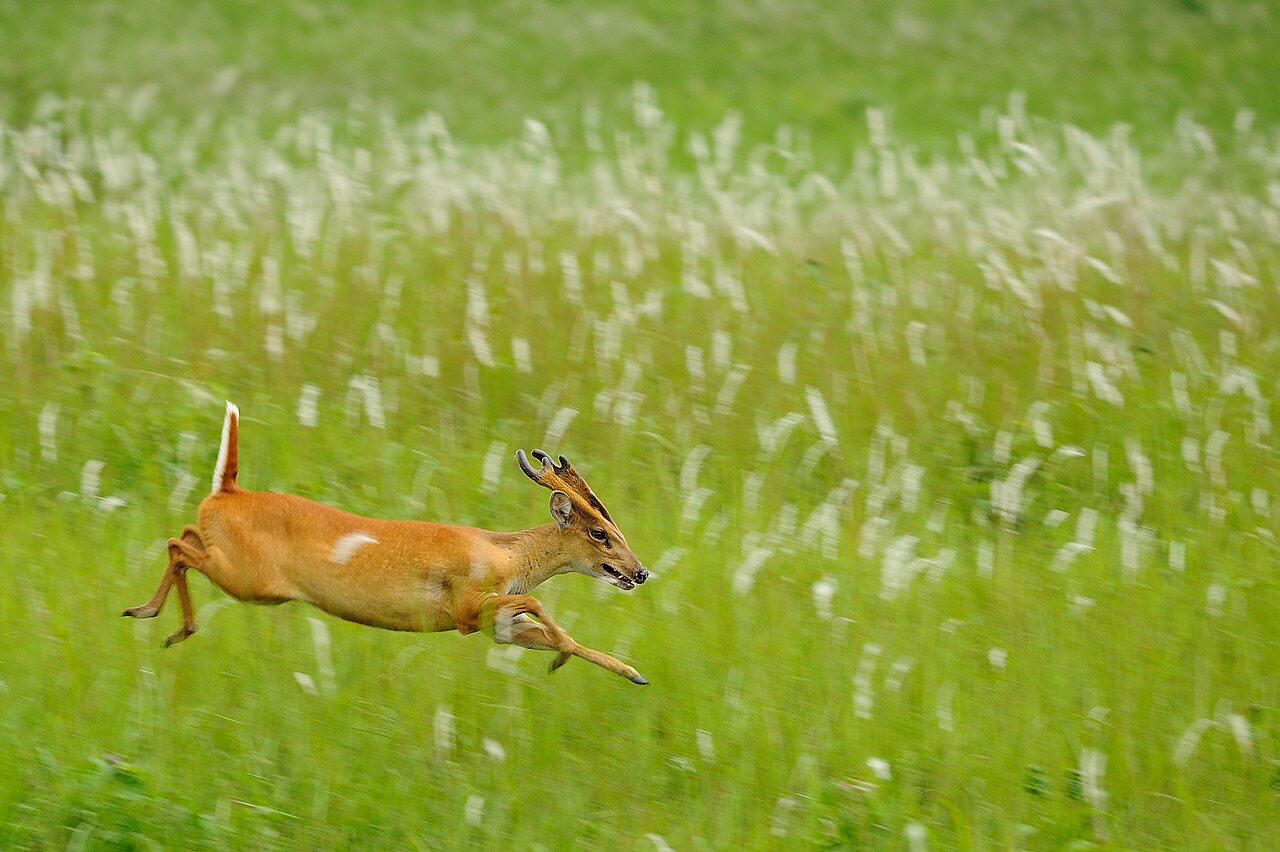
A small russet muntjac whose dog-like bark carries through the trees. Often crosses forest roads at dawn.
Move · if you spot one: Slow down on park roads and let it cross. Enjoy the sighting and move on.
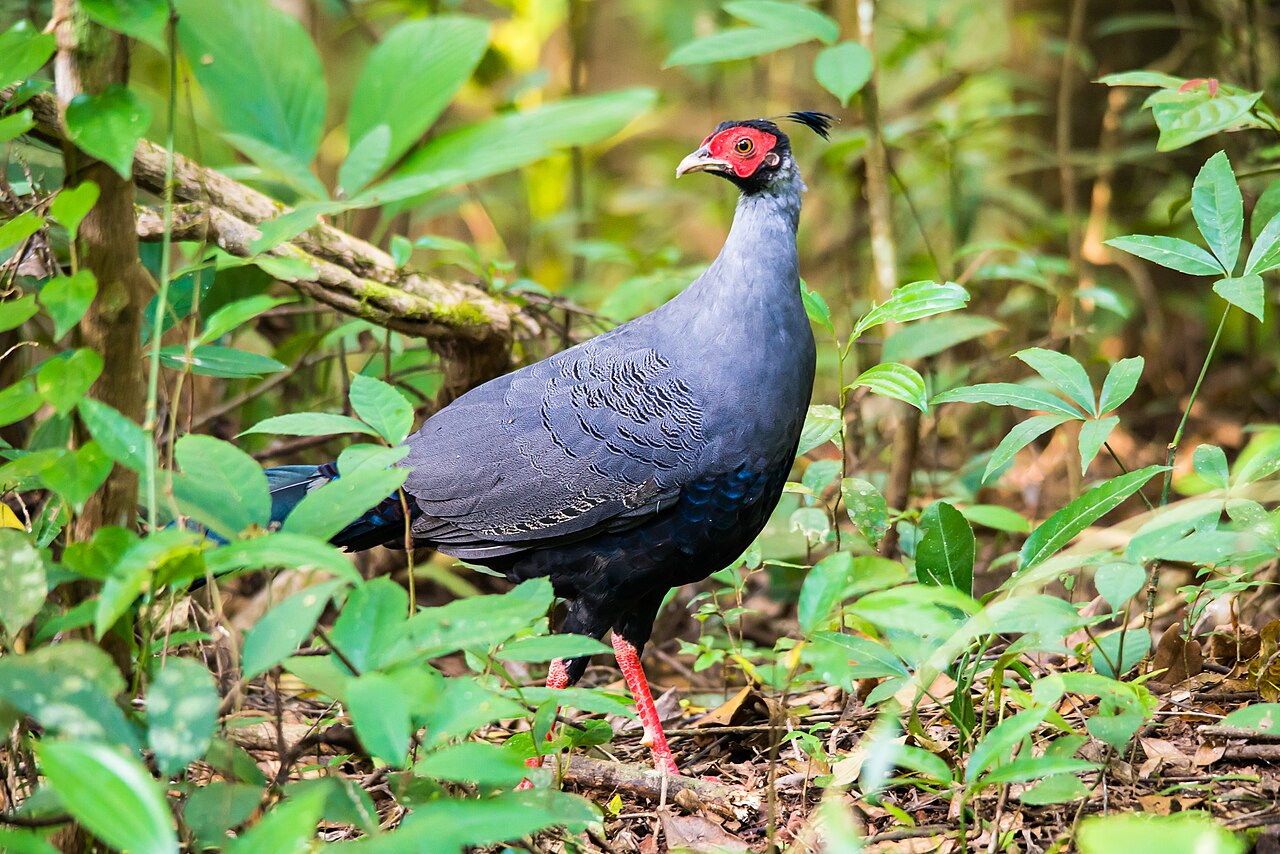
Thailand’s national bird, a large gray pheasant with crimson face wattles. Khao Yai is one of the most reliable places to see it foraging at road edges.
Move · if you spot one: Slow the car and watch quietly; they forage at road edges early. Never feed them.
Wildlife notes drawn from Thai National Parks.
Khao Yai rewards the people who start early, drive slowly, and are happy to be surprised.
Off the Beaten Path
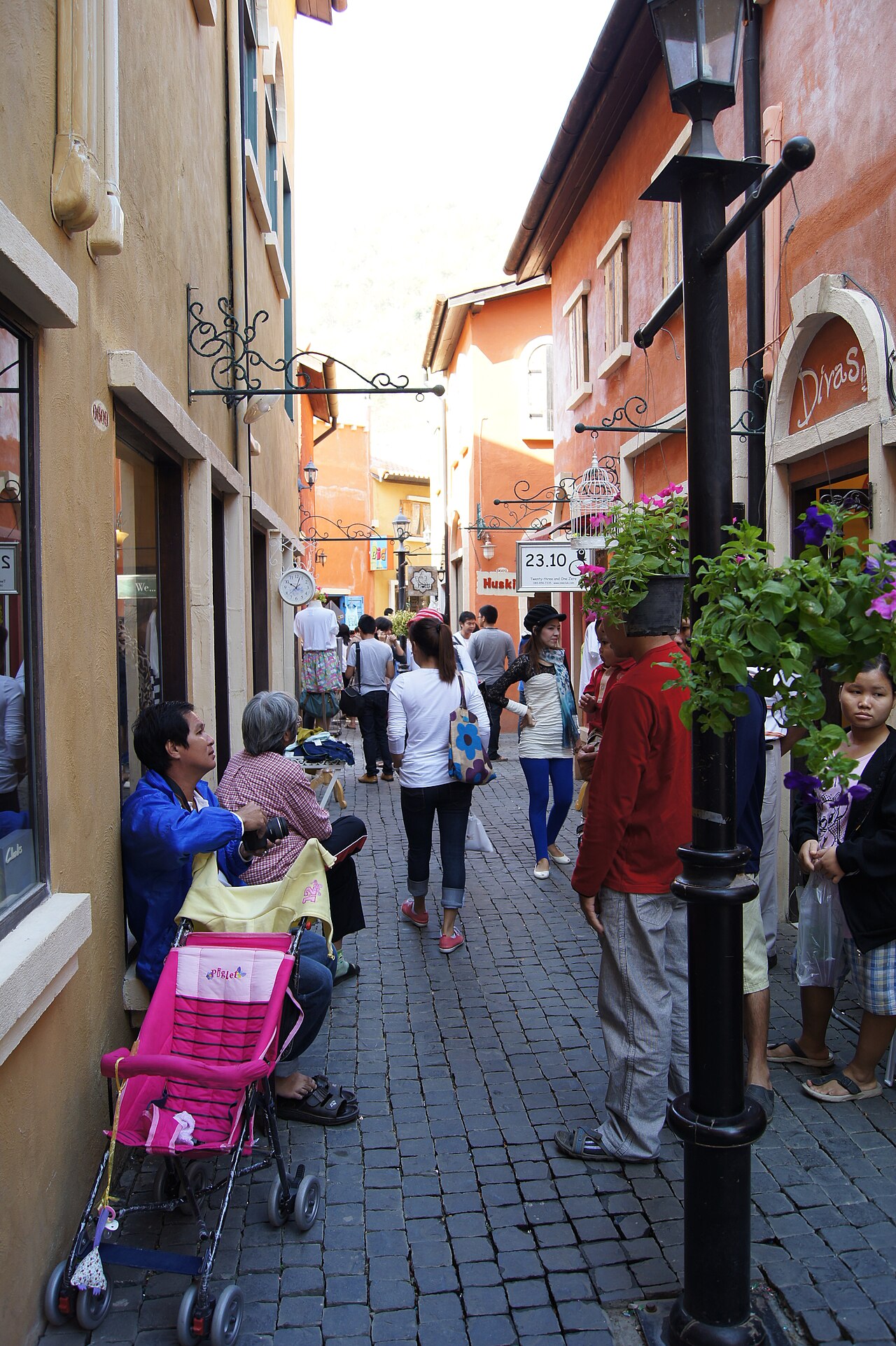
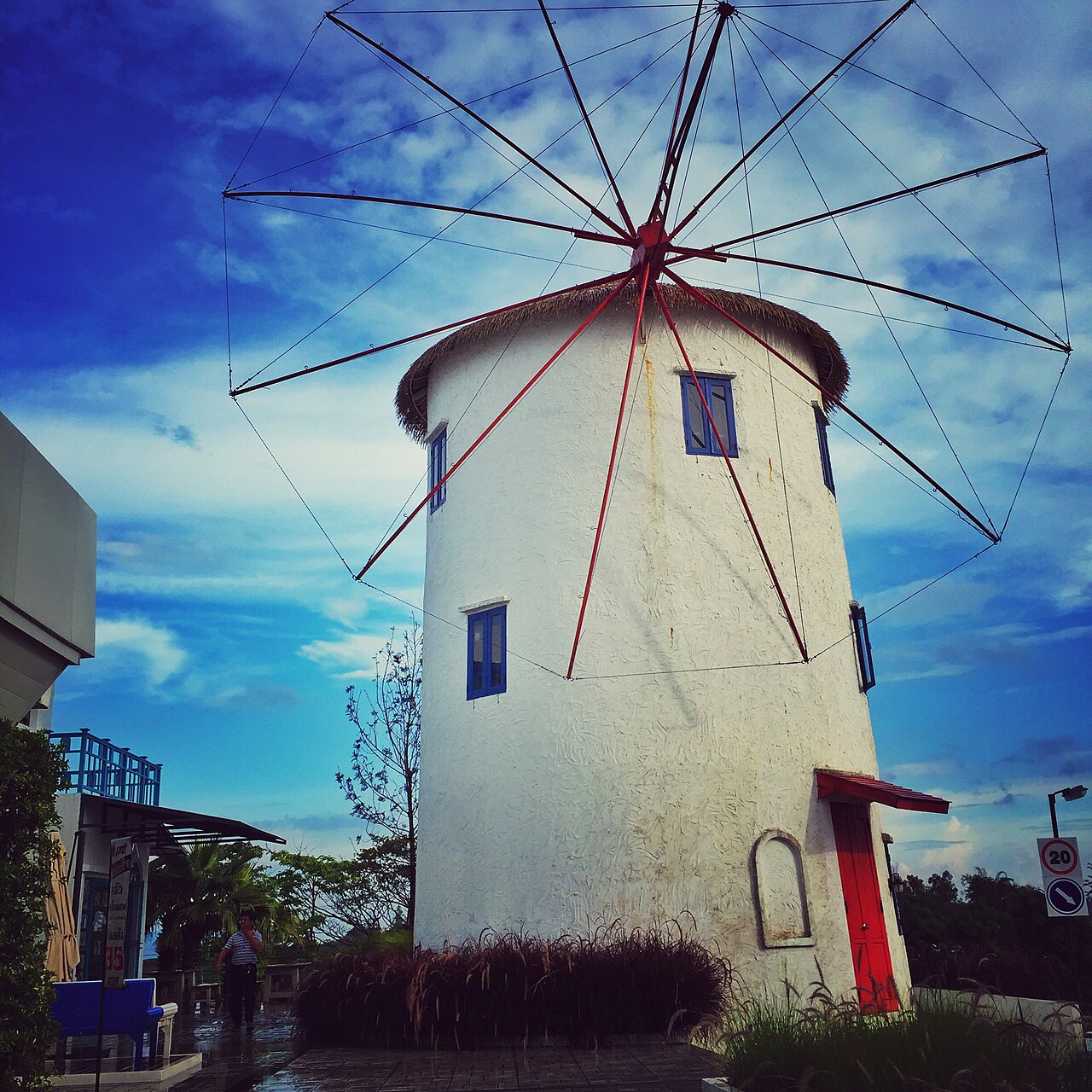
The valley around the park gate is a whole scene of its own. With a spare few hours these spots make a great side quest on the way in or out. The map shows how far each sits from the gateway.
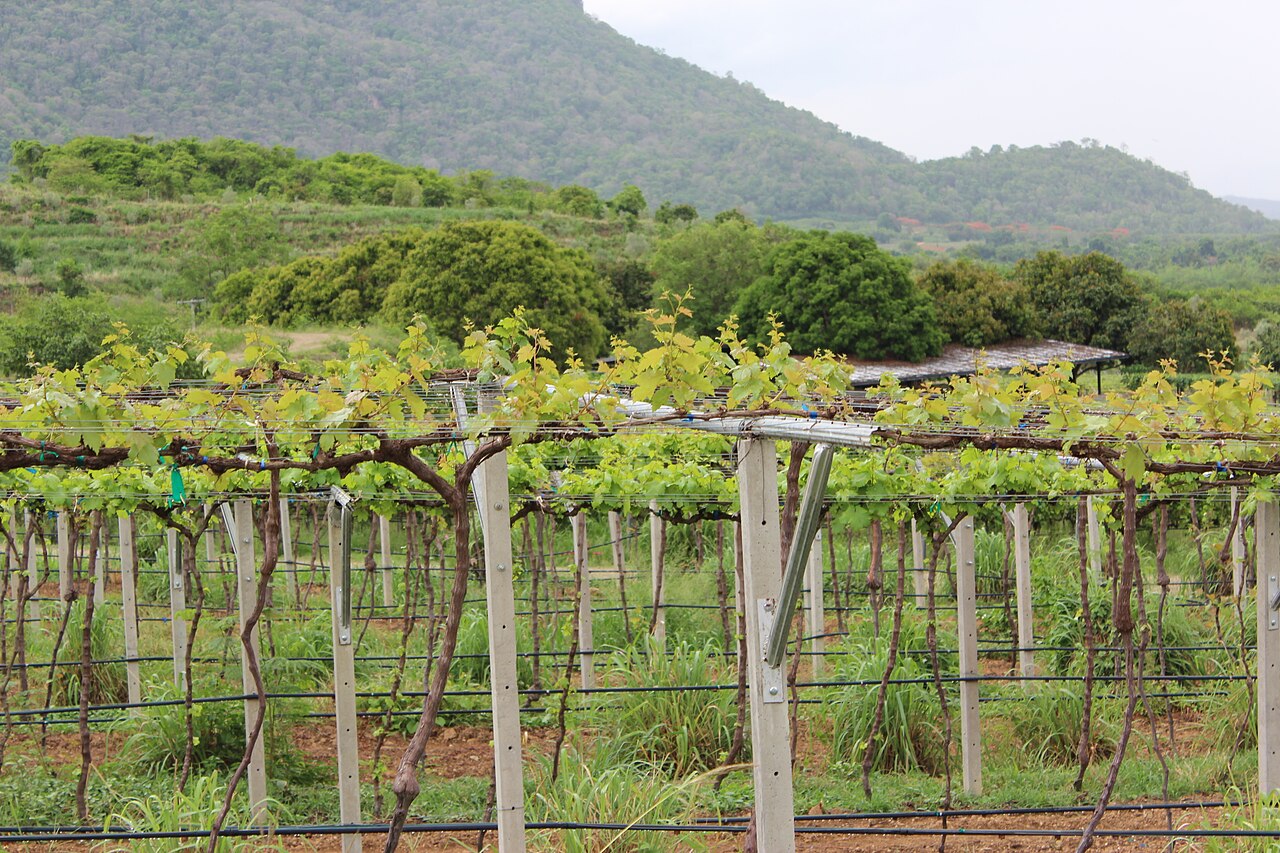
The whole Pak Chong and Khao Yai belt is Thailand’s fruit-and-farm country: vineyards, dairy farms, and pick-your-own mango, grape and cool-season strawberry orchards blanket the hills around the park gate.
Khao Yai sits right on the doorstep of lower Isaan. With a spare day you can bolt on the Khmer temples of Phimai and Phanom Rung and the city of Korat, an easy day trip or a one-night extension into Thailand’s northeast.
.jpg)
Official & Useful Sources
Fees, road closures and night-safari bookings change with the season. Before you go, check the official government and non-profit sites that run and document the park.
More First-Timer Guides
Written by Belle, a Thai American who travels to Thailand every other year and has family in Bangkok. Everything here comes from my own visits unless the text says otherwise. Prices and journey times are typical cases rather than quotes, so recheck anything time-sensitive before you pay. Brand mentions are never paid placements, and the guide is reader-supported: some links may earn a commission, at no extra cost to you.
How we research →Photographs on this page that are not mine are used under the licenses below and hosted on this site rather than hotlinked. Uncredited photographs are my own.
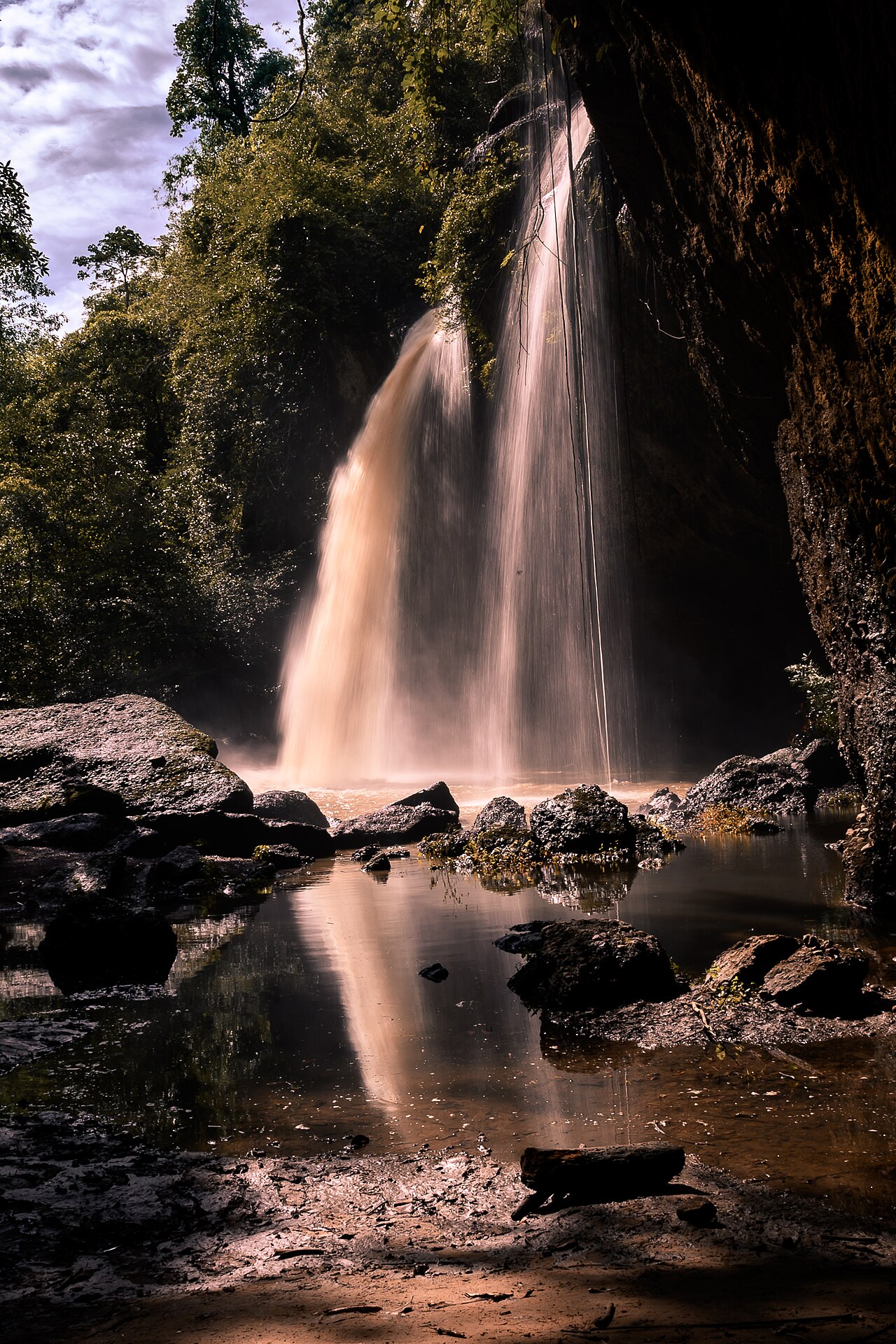
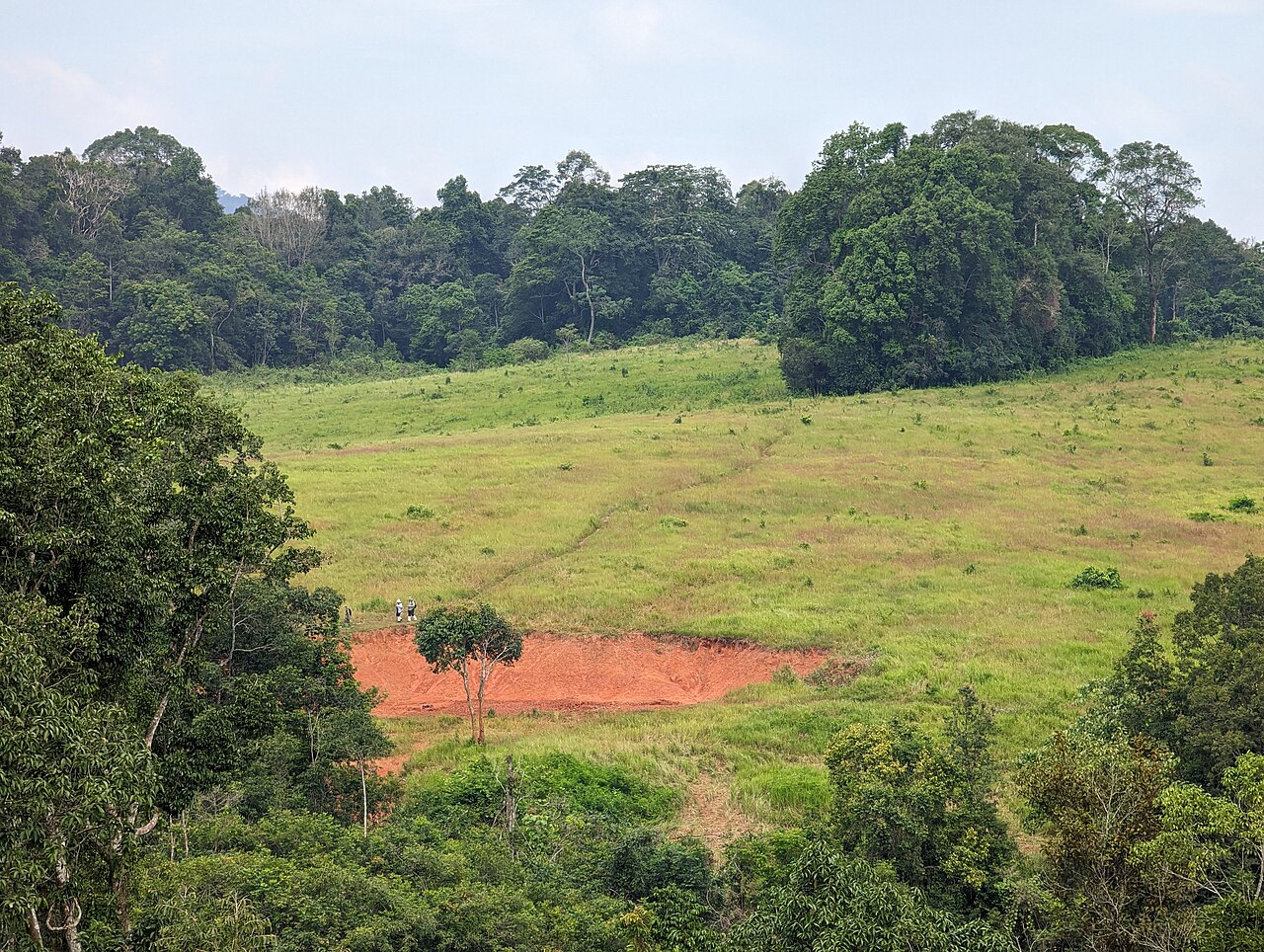
- Rainforest and a tiered waterfall inside Khao Yai National ParkUser:Tontanthailand, CC BY-SA 4.0, via Wikimedia Commons. View source
- Pak Chong town / cafemohigan, CC BY-SA 3.0, via Wikimedia Commons. View source
- Haew Suwat waterfallKhajonrat.K, CC BY-SA 4.0, via Wikimedia Commons. View source
- Haew Narok waterfallSupanut Arunoprayote, CC BY-SA 3.0, via Wikimedia Commons. View source
- Guided jungle trailSyced, CC0, via Wikimedia Commons. View source
- GranMonte / Khao Yai vineyardPhong Phat G, CC BY-SA 3.0, via Wikimedia Commons. View source
- Wide shot: mist lifting off the Khao Yai canopy at dawnMIINXMIINA, CC BY-SA 4.0, via Wikimedia Commons. View source
- GranMonte vineyardPhong Phat G, CC BY-SA 3.0, via Wikimedia Commons. View source
- Flower gardenTom, CC BY-SA 2.0, via Wikimedia Commons. View source
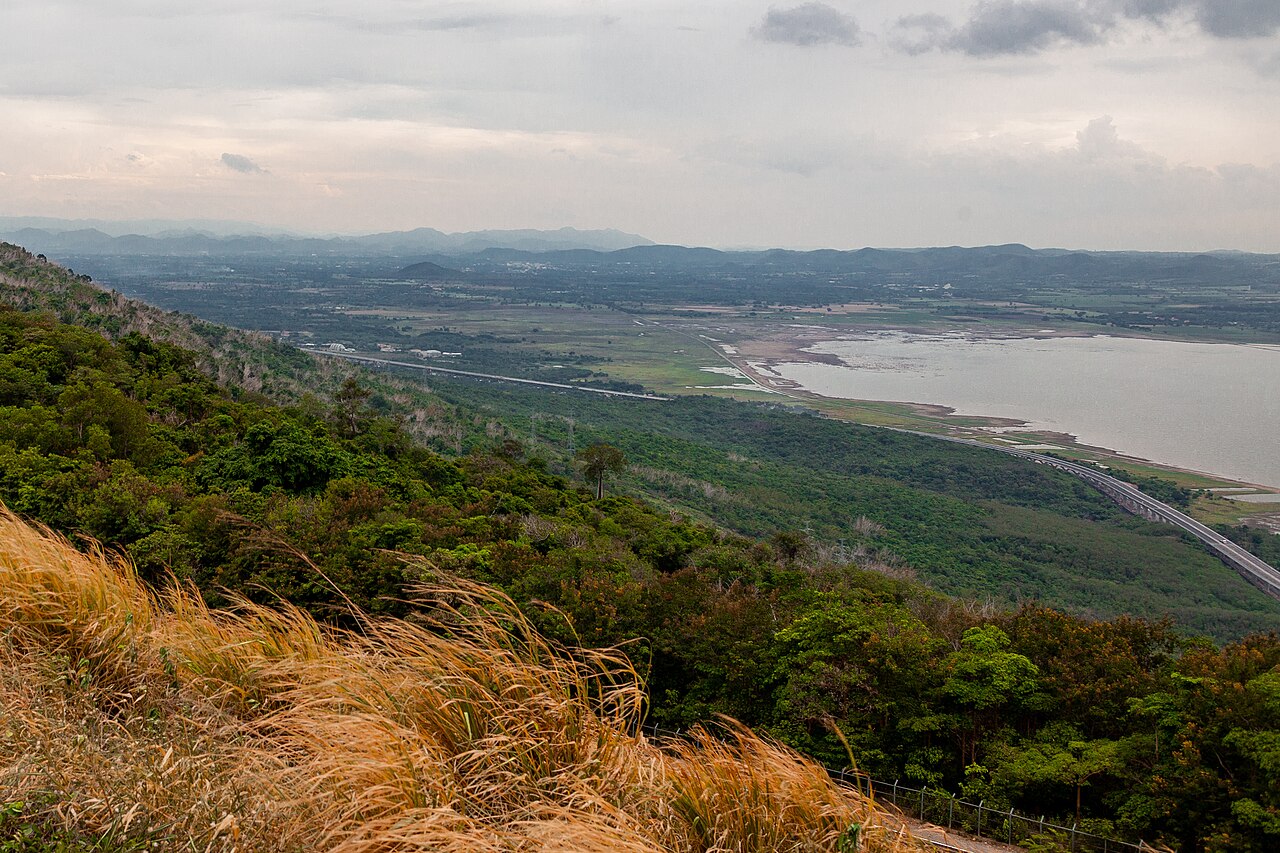
- Lam Takhong reservoirThis Photo was taken by Supanut Arunoprayote. Feel free to use any of my images, but please mention me as the author and may send me a message. (สามารถใช้ภาพได้อิสระ แต่กรุณาใส่เครดิตผู้ถ่ายและอาจส่งข้อความบอกกล่าวด้วย) Please do not upload an updated image here without consultation with the Author. The author would like to make corrections only at his own source. This ensures that the changes are preserved.Please if you think that any changes should be required, please inform the author.Otherwise you can upload a new image with a new name. Please use one of the templates derivative or extract., CC BY 4.0, via Wikimedia Commons. View source
- Wang Nam Khiao forest::::=UT=::::, CC BY-SA 3.0, via Wikimedia Commons. View source
- PB Valley vineyardPulauKakatua19, CC BY-SA 4.0, via Wikimedia Commons. View source
- Palio Italian villageCharin ninsu, CC BY 3.0, via Wikimedia Commons. View source
- Wild Asian elephantTontan Travel Thailand, CC BY-SA 3.0, via Wikimedia Commons. View source
- Pileated gibbonKantaponpeppae, CC BY-SA 4.0, via Wikimedia Commons. View source
- Great hornbillChris huh, CC BY-SA 3.0, via Wikimedia Commons. View source
- Clouded leopardRushenb, CC BY-SA 4.0, via Wikimedia Commons. View source
- Sambar deerZ3144228, CC BY-SA 4.0, via Wikimedia Commons. View source
- Pig-tailed macaquetontantravel, CC BY-SA 2.0, via Wikimedia Commons. View source
- Muntjac barking deertontantravel, CC BY-SA 2.0, via Wikimedia Commons. View source
- Siamese fireback pheasantRushenb, CC BY-SA 4.0, via Wikimedia Commons. View source